
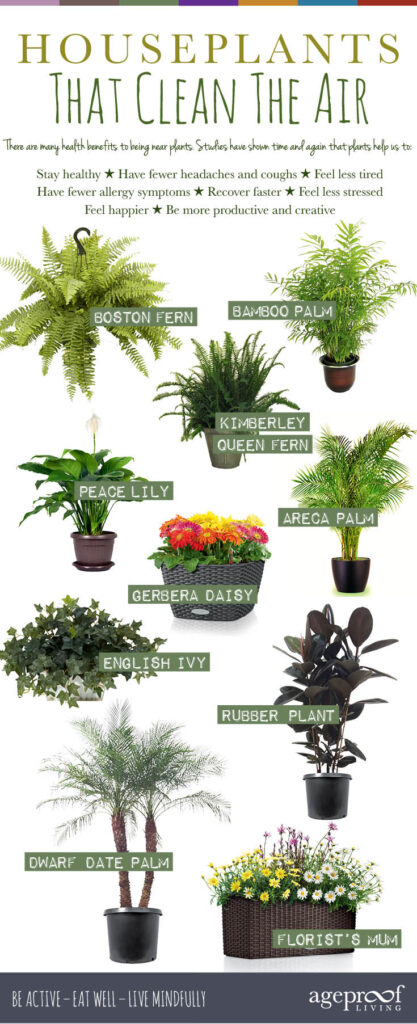
As we go about our daily lives, it’s easy to overlook the air quality in our homes. But did you know that pollutants, bacteria, and fungi can compromise the health and well-being of ourselves and those around us? The good news is that nature has a solution for us – air-purifying plants! In this article, we’ll explore the world of houseplants that can effectively purify the air in our homes, from bedroom to bathroom.
The Importance of Indoor Air Quality
Indoor pollution is a growing concern, with pollutants like formaldehyde, benzene, and trichloroethylene found in everyday household products. These substances can cause a range of health problems, from headaches and fatigue to respiratory issues and even cancer. So, what can we do to improve the air quality in our homes?
One solution is to clean indoor air, but this isn’t always easy or effective. Air purifiers can help remove pollutants from the air, but they’re not a substitute for natural air-purifying methods. That’s where plants come in – specifically, houseplants that have the ability to absorb harmful substances and improve indoor air quality.
How Do Houseplants Purify the Air?
So, how do these magical plants work their magic? The answer lies in photosynthesis – a process by which plants convert carbon dioxide into oxygen. But did you know that some plants can also absorb pollutants from the air?
During photosynthesis, plants release oxygen and absorb carbon dioxide through tiny holes called stomata. But certain plants have adapted to absorb harmful substances like formaldehyde, benzene, and trichloroethylene. These plants use specialized leaves or roots to trap these pollutants, rendering them harmless.
The Science Behind Air-Purifying Plants
Research has shown that air-purifying plants can remove up to 90% of airborne pollutants in just one hour. But how do they achieve this feat? Here’s a breakdown of the science behind air-purifying plants:
- Photosynthesis: As mentioned earlier, photosynthesis is the process by which plants convert carbon dioxide into oxygen. But some plants have adapted to use this process to absorb pollutants from the air.
- Trapping pollutants: Air-purifying plants use specialized leaves or roots to trap pollutants, rendering them harmless.
- Oxygen production: Photosynthetic plants release oxygen as a byproduct of photosynthesis, which can help purify the air.
The Top 10 Air-Purifying Plants for Your Home
So, which plants can purify indoor air? Here are the top 10 houseplants that’ll transform your home:
- Aloe Vera: Known for its soothing gel, aloe vera also absorbs formaldehyde and other pollutants.
- Chamaedorea: This plant thrives in low-light conditions and removes benzene and formaldehyde from the air.
- Crisantemo: Despite its association with death, this plant is actually quite effective at removing trielina and ammonia.
- Dracena Compact: A compact and stylish option, this plant absorbs benzene, formaldehyde, and trichloroethylene.
- Dracena marginata: Similar to the Dracaena Compact, this plant removes trichloroethylene and benzene from the air.
- Ficus beniamina: This plant requires plenty of light, but is effective at removing formaldehyde.
- Gerbera: With its bright colors, Gerbera is a popular choice for indoor spaces – it absorbs trielene, monoxide carbon, and benzene.
- Edera inglese (English ivy): Perfect for bedrooms or bathrooms, this plant reduces pollutants and retains mold spores.
- Lingua della suocera (Snake Plant): Also known as the Pianta della serpe, this low-maintenance plant absorbs formaldehyde, xylene, benzene, toluene, and trichloroethylene.
- Pianta ragno o Clorofito (Spider Plant or Chlorophytum): Easy to care for, this plant removes monoxide carbon and xylene from the air.
Tips for Maximizing Air-Purifying Power
While these plants can purify indoor air, they still require proper care and maintenance. Here are some tips to maximize their air-purifying power:
- Water your plants regularly: Watering is crucial for plant growth, but overwatering can be detrimental.
- Place plants in areas with plenty of light: Most plants prefer bright conditions, so place them near windows or use grow lights.
- Avoid placing plants near heating vents or radiators: This can dry out the soil and reduce air-purifying power.
- Use a well-draining potting mix: Prevent waterlogged soil by using a well-draining potting mix.
Common Air-Purifying Plant Mistakes
While air-purifying plants are incredibly effective, there are some common mistakes to avoid:
- Overwatering: Water your plants regularly, but avoid overwatering – this can be detrimental to their health.
- Under-watering: On the other hand, under-watering can also lead to reduced air-purifying power.
- Not providing enough light: Most plants require plenty of light to photosynthesize and purify the air effectively.
Conclusion
Air-purifying plants are a natural and effective solution for improving indoor air quality. By incorporating these plants into your home, you’ll not only purify the air but also create a healthier environment for yourself and those around you. So, which plant will you choose first?
Frequently Asked Questions (FAQs)
- Q: Can I use any type of potting mix for my air-purifying plants?
A: No, use a well-draining potting mix to prevent waterlogged soil. - Q: How often should I water my air-purifying plants?
A: Water your plants regularly, but avoid overwatering – most plants prefer moist soil. - Q: Can air-purifying plants remove all pollutants from the air?
A: No, while these plants can absorb many pollutants, they’re not a substitute for professional air purification systems. - Q: Are air-purifying plants effective in small spaces?
A: Yes, even small plants can make a big difference in improving indoor air quality. - Q: Can I use air-purifying plants to remove mold and mildew from surfaces?
A: No, while these plants can reduce pollutants, they’re not effective at removing mold and mildew – use specialized cleaning products instead. - Q: How long do air-purifying plants take to purify the air?
A: Air-purifying plants work continuously, absorbing pollutants 24/7. - Q: Can I combine multiple air-purifying plants for better results?
A: Yes, combining multiple plants can enhance their air-purifying power – just be sure to provide enough space for each plant to thrive. - Q: Are air-purifying plants suitable for pets and children?
A: Most air-purifying plants are safe for pets and children, but be sure to research specific plant toxicity before introducing them to your home.
Additional Benefits of Air-Purifying Plants
While air-purifying plants are incredibly effective at removing pollutants from the air, they also offer a range of additional benefits:
- Improved mental health: Studies have shown that being around plants can reduce stress and anxiety.
- Boosted mood: The aesthetic appeal of plants can brighten up a room and improve overall mood.
- Increased oxygen levels: By purifying the air, these plants help increase oxygen levels in your home.
Conclusion
Air-purifying plants are an innovative solution for improving indoor air quality. By incorporating these plants into your home, you’ll not only purify the air but also create a healthier environment for yourself and those around you. Whether it’s a snake plant or an English ivy, choose one that suits your lifestyle and needs.
Remember, air-purifying plants are just one part of maintaining good indoor air quality. Regular cleaning, proper ventilation, and using air purifiers can all contribute to creating a healthier home environment. So, start exploring the world of air-purifying plants today and breathe easier knowing you’re taking steps towards a healthier, happier home!


