
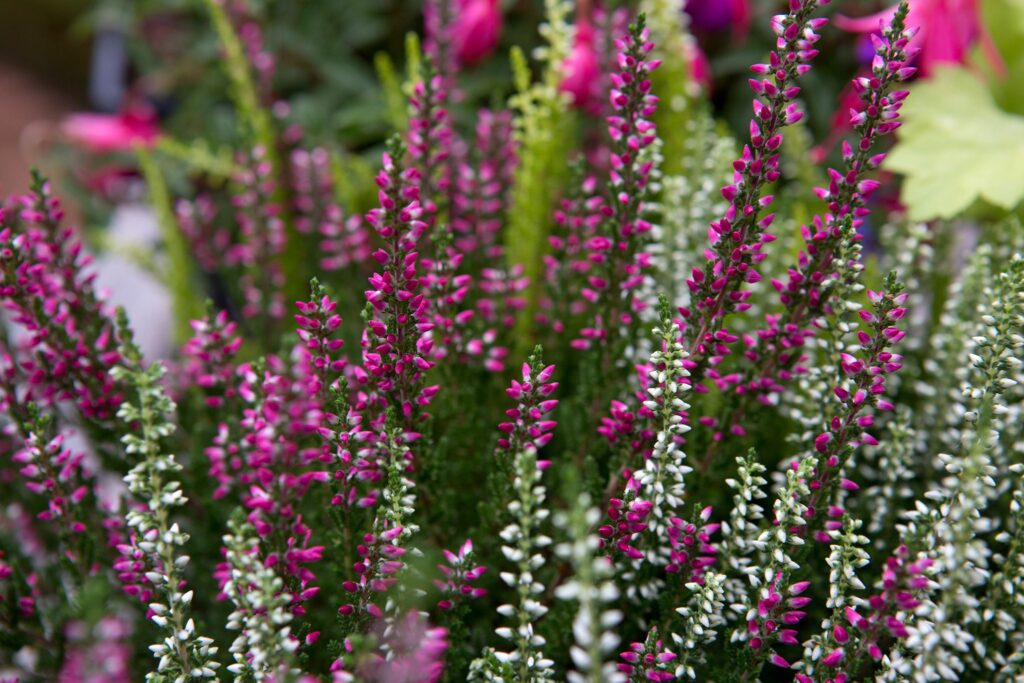
As we navigate the changing seasons, one of the most surprising aspects of gardening is the existence of flowers that bloom during the winter months. While many plants seem to succumb to the cold temperatures and lack of sunlight, there are numerous species that not only survive but thrive in these conditions.
With the right selection of plants, you can have a beautiful and vibrant garden even in the midst of winter. In this article, we’ll explore some of the most stunning winter-blooming flowers, along with tips on how to care for them and create a stunning winter wonderland in your own backyard.
Understanding Winter-Blooming Plants
Winter-blooming plants are those that flourish during the colder months of the year, often when other plants have gone dormant. These plants have adapted to the harsh conditions by developing unique characteristics such as thick bark, waxy leaves, or modified flowers that protect them from the cold.
Some of the most popular winter-blooming plants include:
- Camellias: These evergreen shrubs produce beautiful, fragrant flowers in shades of pink, white, and red.
- Hellebores (Christmas Roses): Also known as Lenten roses, these low-maintenance perennials bloom in late winter and early spring, producing nodding, bell-shaped flowers in a range of colors.
- Winter Jasmine: This climbing plant produces fragrant, star-shaped flowers in shades of white and yellow, which bloom in late winter to early spring.
- Cyclamen: These perennials produce heart-shaped leaves with silver markings and delicate, nodding flowers in shades of pink, white, and purple.
Choosing the Right Plants for Your Garden
When selecting plants for your garden, it’s essential to consider factors such as climate, soil type, and sunlight exposure. Some plants are better suited to partial shade or full sun, while others prefer well-draining soil or rich, fertile ground.
Here are some of our top picks for winter-blooming plants that can thrive in a variety of conditions:
- Calico Flower: This perennial produces bright yellow flowers with orange and red stripes, which bloom from late fall to early spring.
- Winter Rose (Rosa spp.): These shrubs produce fragrant, double-petaled flowers in shades of pink, white, and red, which bloom in late winter to early spring.
- Snowdrops: These bulbs produce delicate, white flowers that bloom in late winter, often before the other plants have emerged from dormancy.
Tips for Care and Maintenance
To keep your winter-blooming plants thriving, follow these tips:
- Watering: Be cautious not to overwater, as this can lead to root rot and other problems. Water only when the soil feels dry to the touch.
- Fertilization: Feed your plants with a balanced fertilizer in late fall or early winter to promote healthy growth and flowering.
- Pruning: Prune your plants after blooming to maintain shape and encourage new growth.
Common Questions and Answers
Here are some frequently asked questions about winter-blooming plants:
Q: What is the best way to care for my Hellebores?
A: Hellebores prefer moist, well-draining soil and partial shade. Water regularly, but avoid overwatering.
Q: Can I grow Cyclamen indoors?
A: Yes! Cyclamen can be grown in pots or containers on a sunny windowsill or under grow lights.
Q: How often should I fertilize my Camellias?
A: Feed your Camellias with a balanced fertilizer in the spring and summer months to promote healthy growth and flowering.
Propagation and Division
Propagating winter-blooming plants can be a fun and rewarding experience. Here are some tips on how to propagate your favorite winter-blooming plants:
- Winter Jasmine: Take cuttings from the tips of new growth and root them in a pot filled with moistened perlite or vermiculite.
- Hellebores: Divide established plants in early spring, taking care not to damage the roots.
- Cyclamen: Propagate Cyclamen by dividing established tubers in late summer.
Pest and Disease Management
Winter-blooming plants can be susceptible to pests and diseases, especially when they’re under stress. Here are some tips on how to manage common problems:
- Aphids: Use neem oil or insecticidal soap to control aphid infestations.
- Powdery mildew: Use fungicides specifically designed for powdery mildew, following the product instructions carefully.
Conclusion
Winter-blooming plants are a delightful surprise for gardeners, offering a burst of color and beauty during the cold winter months. By selecting the right plants for your climate and following proper care and maintenance techniques, you can enjoy a stunning winter wonderland in your own backyard.
Additional Resources
For more information on winter-blooming plants, be sure to check out these additional resources:
- Local nurseries: Visit local nurseries or gardening clubs to learn more about specific plant species and their growing conditions.
- Online forums: Join online forums or discussion groups dedicated to winter-blooming plants to ask questions and share knowledge with other gardeners.
By following the tips and advice outlined in this article, you’ll be well on your way to creating a stunning winter wonderland in your own backyard. Happy gardening!


