
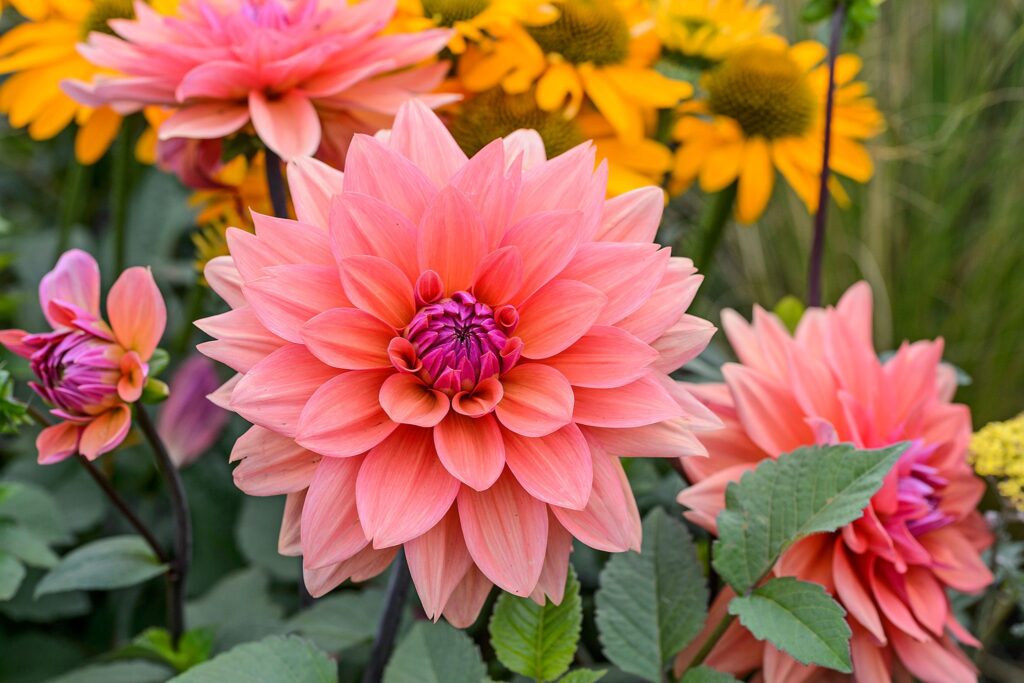
Autumn Blooming Plants: A Comprehensive Guide to Choosing the Right Ones for Your Garden
As the summer months come to a close, many gardeners wonder what plants will bloom in the autumn season. While some may think that autumn is a quiet time for gardening, there are actually many beautiful plants that thrive during this period. In this article, we’ll delve into the world of autumn-blooming plants, explore their characteristics, and offer advice on how to care for them.
Understanding Autumn Blooming Plants
Autumn blooming plants are typically those that continue to produce flowers or foliage throughout the fall season, often from September to November. These plants are ideal for adding color and interest to your garden during the cooler months. Some of these plants may go dormant over the winter, while others will continue to bloom until the first frost.
Considerations for Choosing Autumn Blooming Plants
Before selecting autumn-blooming plants, consider a few factors:
- Hardiness: Choose plants that can withstand the cooler temperatures and potential frosts of autumn.
- Lighting: Ensure that your chosen plants receive adequate light, as some may require more or less sunlight than others.
- Soil conditions: Select plants that are well-suited to your soil type and pH level.
Autumn Blooming Plants: A Selection of Popular Options
Here are some popular autumn-blooming plants to consider:
1. Grevillea
Originating from Australia, Grevillea is a versatile plant that thrives in Mediterranean climates. Its showy flowers feature long, curved calices with vibrant colors such as rose, pink, yellow, red, and orange.
2. Corbezzolo (Cornelian Cherry)
This deciduous shrub produces fragrant flowers in autumn, which eventually turn into red berries. It’s an excellent choice for adding color and interest to your garden during the fall season.
3. Ciclamini
These flowering plants are known for their ability to bloom throughout the year, including in autumn. They prefer well-draining soil and a sunny location.
4. Erica
With over 700 species, Erica is a popular choice for gardeners seeking low-maintenance, evergreen plants. Its flowers typically bloom in autumn and winter, adding a pop of color to your garden.
5. Aster (New England)
This perennial flower comes in a range of colors, including pink, purple, white, and blue. It’s an excellent choice for adding a burst of color to your garden during the fall season.
6. Viole
These small, flowering plants are perfect for adding a touch of elegance to your garden. They’re highly resistant to frost and can thrive in a variety of lighting conditions.
7. Cavoli Ornamentali (Ornamental Kale)
While not typically thought of as a blooming plant, ornamental kale adds a vibrant splash of color to gardens during the fall season.
8. Solanum jasminoides
This flowering shrub produces showy flowers in autumn, which eventually turn into red berries. It’s an excellent choice for adding color and interest to your garden during the fall season.
Tips for Caring for Autumn Blooming Plants
To ensure that your autumn-blooming plants thrive:
- Water them regularly, but avoid overwatering.
- Fertilize sparingly, as excessive nutrients can damage these sensitive plants.
- Prune dead or damaged branches to maintain their health and appearance.
Propagation Techniques for Autumn Blooming Plants
Some autumn-blooming plants can be propagated using various techniques:
1. Division
This method involves dividing the roots of a mature plant into smaller sections, each with its own set of roots and leaves.
2. Cuttings
Taking cuttings from mature plants can be an effective way to propagate new specimens.
3. Layering
This technique involves bending a long stem down to the ground and securing it with a rock or a U-shaped wire, allowing roots to form before cutting the plant free.
Common Problems Associated with Autumn Blooming Plants
Some common issues gardeners may encounter when caring for autumn-blooming plants include:
1. Pests
Keep an eye out for pests such as aphids, whiteflies, and spider mites, which can damage leaves and flowers.
2. Diseases
Fungal diseases such as powdery mildew and leaf spot can affect autumn-blooming plants, especially if they’re not provided with adequate air circulation.
3. Nutrient deficiencies
Autumn-blooming plants often require less fertilizer than other plants, but may still benefit from regular feeding to maintain their health and appearance.
Conclusion
Autumn blooming plants offer a range of benefits for gardeners looking to add color and interest to their outdoor spaces during the cooler months. By selecting the right plants for your specific climate and soil conditions, you can enjoy a beautiful display of autumn blooms throughout the fall season.
Frequently Asked Questions (FAQs)
-
What are some popular autumn-blooming plants?
- Grevillea
- Corbezzolo
- Ciclamini
- Erica
- Aster (New England)
- Viole
- Cavoli Ornamentali (Ornamental Kale)
- Solanum jasminoides
-
How do I choose the right autumn-blooming plants for my garden?
-
Consider factors such as hardiness, lighting, and soil conditions.
- Research specific plant requirements to ensure compatibility with your climate and soil type.
-
What is the best way to care for autumn-blooming plants?
-
Water them regularly, but avoid overwatering.
- Fertilize sparingly to maintain their health and appearance.
- Prune dead or damaged branches to maintain their overall well-being.
By understanding the characteristics of autumn-blooming plants and following proper care techniques, you can create a stunning display of color in your garden during the fall season.


