
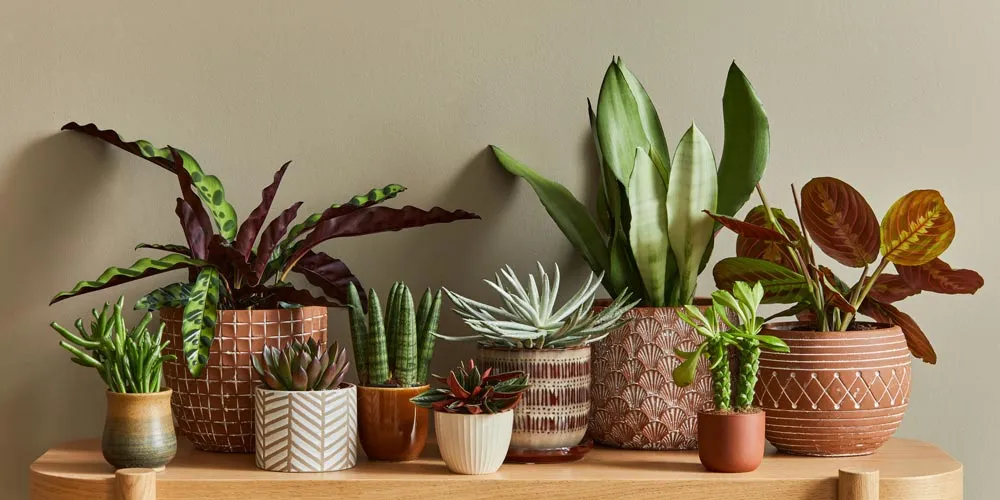
As we navigate the world of plants, it’s easy to get confused about their lighting needs. While all plants require some amount of light to undergo photosynthesis, there are certain species that can thrive in low-light conditions or even without direct sunlight at all.
Let’s clarify a fundamental concept: all plants need light to undergo photosynthesis. However, some plants have a lower requirement for light than others. These plants can still carry out photosynthesis with minimal sunlight. The term “luminosity” refers to the amount of light present in an environment, which doesn’t necessarily mean direct sunlight is required.
Understanding Luminosity
Imagine your home as a room with varying levels of lighting. The sun’s rays illuminate certain areas, while others remain shaded. In this context, luminosity is like the overall brightness of the space. It’s not just about direct sunlight; it’s also about the ambient light that permeates the environment.
Measuring luminosity involves assessing the intensity and distribution of light within a space. This can be achieved by using specialized equipment or even just by observing how plants respond to different lighting conditions.
Plants That Thrive in Low-Light Conditions
While most plants require direct sunlight, there are plenty that can flourish in low-light environments or even without it altogether. Here are some examples of plants that don’t need direct sunlight:
Shade-Tolerant Plants
These plants have adapted to grow in areas with limited sunlight and can still thrive in shaded conditions.
Azalea
Azaleas love light but not direct sunlight. They produce abundant flower blooms in early spring and can be placed in areas with prevailing shade.
Aquilegia
This perennial herb is robust and rustic, making it perfect for borders and paths in both sunny and shady locations.
- Aquilegia caerulea: Features white flowers that fade to blue or yellow.
- Aquilegia canadensis: Displays red-yellow flowers with reddish tips.
Camellia
Camellias are evergreen trees or shrubs that excel in shaded areas. They avoid direct sunlight, especially during early morning hours, which damages their flowers.
Shade-Friendly Flowers
These plants don’t require direct sunlight and can add color to your garden even in low-light conditions.
- Ciclamino: This flowering plant doesn’t need direct sunlight and is ideal for growing near trees or other tall plants.
- Dafne: With over 70 species, Dafne offers a wide range of evergreen shrubs with small flowers perfect for shade gardens.
- Campanella: There are approximately 300 Campanella species, including perennials, annuals, and biennials. They thrive in rocky gardens and can be grown in pots or in-ground.
Ornamental Plants
Some plants are more than just aesthetically pleasing; they also have functional benefits.
- Aucuba: This evergreen shrub is durable, easy to care for, and low-maintenance. It’s perfect for creating hedges in shaded areas.
- Coleus: With over 150 species, Coleus offers a wide range of foliage colors and patterns that can add visual interest to your garden even in the shade.
- Other Shade-Loving Plants: Alloro (Arborvitae), Edra (Holly), Dieffenbachia, and Dryopteris (Ferns) are all excellent choices for low-light areas.
By understanding luminosity and recognizing the plants that don’t need direct sunlight, you can create a thriving garden even in shaded conditions. Whether it’s a small balcony or a large backyard, there’s always room to experiment with new plant species and lighting configurations.
Frequently Asked Questions
- What is the ideal amount of light for my plants?
- The amount of light required by your plants depends on their specific needs, including photosynthesis requirements.
- Can I grow plants in a shaded area without any direct sunlight?
- Yes, many plants can thrive in low-light conditions or even without direct sunlight at all.
- How do I measure luminosity in my environment?
- Luminosity can be measured using specialized equipment or by observing how plants respond to different lighting conditions.
- What types of plants are suitable for shaded areas?
- Many plant species can tolerate shaded conditions, including shade-tolerant plants, flowers, and ornamental plants.
- Can I grow plants on a balcony with limited sunlight?
- Yes, by using specialized equipment or adjusting the lighting configuration, you can create a thriving garden even in shaded conditions.
By understanding these concepts and selecting the right plants for your specific environment, you can create a beautiful and functional outdoor space that meets your needs.
Understanding Photosynthesis
Photosynthesis is the process by which plants convert light energy into chemical energy. This process occurs in specialized organelles called chloroplasts, which contain pigments such as chlorophyll. Chlorophyll absorbs light energy from the sun and uses it to power photosynthesis.
While most plants require direct sunlight for photosynthesis, some species have adapted to thrive in low-light conditions. These plants have developed alternative strategies to carry out photosynthesis, often involving more efficient light capture or the use of accessory pigments.
The Benefits of Low-Light Plants
Low-light plants offer several benefits, including:
- Energy Efficiency: By using less energy for photosynthesis, low-light plants can thrive in shaded areas with reduced water and nutrient requirements.
- Space-Saving: Shaded areas often have limited space, making low-light plants ideal for small gardens or balconies.
- Aesthetic Appeal: Low-light plants can add color and texture to shaded areas, creating a unique and visually interesting garden.
Choosing the Right Plants
When selecting plants for your garden, consider factors such as light requirements, growth habits, and maintenance needs. Some popular low-light plants include:
- Ferns: These plants thrive in shaded conditions and come in a range of species with different foliage patterns.
- Hellebores: Commonly known as Christmas roses, these evergreen flowering plants prefer shaded areas and are ideal for early spring blooms.
- Hostas: With over 40 species, hostas offer a wide range of foliage colors and patterns that can add visual interest to your garden even in the shade.
By understanding the concepts outlined above and selecting the right plants for your specific environment, you can create a thriving garden even in shaded conditions. Whether it’s a small balcony or a large backyard, there’s always room to experiment with new plant species and lighting configurations.
Conclusion
Plants that don’t need direct sunlight are an excellent choice for gardens with limited light exposure. By understanding luminosity and recognizing the plants that can thrive in low-light conditions, you can create a beautiful and functional outdoor space that meets your needs. Whether it’s a small balcony or a large backyard, there’s always room to experiment with new plant species and lighting configurations.
By selecting the right plants for your specific environment and understanding the benefits of low-light plants, you can create a thriving garden even in shaded conditions.


