
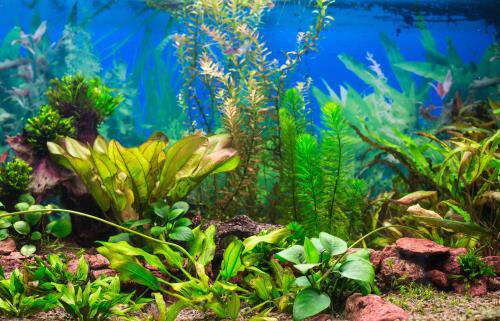
If you’ve just set up a new aquarium or decided to revamp its decor, you have the freedom to choose from a vast array of plants. Aquarium plants create a safe haven for fish, especially those that need a place to nest and hide: if your aquarium is large enough, you won’t need to set up a separate breeding area – just add plenty of plants to provide hiding spots for newly hatched fry.
Knowing the different types of algae control products for aquariums will be helpful as you make this choice.
Understanding Light Conditions
To choose the right location for your plant, consider the amount of light present in your aquarium. Different plants thrive in varying levels of illumination, so it’s essential to select a spot that suits the specific needs of your chosen species.
One popular and widely available option is the Acorus Grammineus, also known as “nano” or “screeled” varieties. Originating from Japan, this plant is relatively low-maintenance and can be grown in a substrate of soil or peat moss mixed with soil. The “nano” variety grows to a height of 4-10 cm, while the “screeled” variety reaches up to 50 cm. A temperature range of 15-20°C is ideal for this plant, which can tolerate low or moderate light conditions and requires minimal attention.
Exploring Alternative Options
Another common choice for aquariums is the Alternanthera sessilis. In its natural habitat, this plant thrives in exposed areas; however, when grown in an aquarium, it adapts to the bottom of the tank and can be completely submerged under water. The leaves grow up to 6-7 cm long and are easily propagated using stem cuttings. This plant prefers temperatures between 16-22°C and requires bright light.
If your aquarium has a shaded area with temperatures ranging from 20-30°C, Anubias is an excellent choice. Anubias plants grow very slowly, but their leaves possess striking ornamental value.
Discovering Unique Options
Less common yet fascinating options for aquariums include the Bacopa caroliniana, which boasts a citrusy fragrance. This plant features a finely ridged stem and grows to varying heights between 40-60 cm. Its flowers bloom outside of water, displaying blue corolla-shaped blossoms that resemble bellflowers. Bacopa prefers bright light, a substrate enriched with fertilizer, and temperatures between 18-25°C.
For those who desire an aquarium adorned with vibrant flowers, the Eichhornia crassipes, also known as “water hyacinth,” is an appealing choice. While its blooms last for only two to three days during the summer months, the ornamental value of its leaves can be appreciated throughout the year. A suitable temperature range for this plant ranges from 16-30°C.
Choosing the Right Plant for Your Aquarium
When selecting plants for your aquarium, consider factors such as lighting conditions, temperature preferences, and growth rates to ensure compatibility with your tank’s unique environment. By carefully choosing the right plants for your specific needs, you can create a thriving ecosystem that showcases the beauty of both aquatic life and plant life.
Factors to Consider When Selecting Plants
- Light Requirements: Different plants require varying levels of light to thrive. If your aquarium has limited lighting, choose plants that are tolerant of low light conditions.
- Temperature Range: Ensure that the temperature range for your chosen plant is suitable for your aquarium’s environment.
- Growth Rate: Select plants with growth rates that match your tank’s size and water circulation.
- Substrate Requirements: Different plants require specific substrates to grow, such as soil or peat moss.
- Competition for Resources: Choose plants that are compatible and will not compete with each other for resources like light, nutrients, and space.
Popular Aquarium Plant Options
- Java Moss: A popular choice for aquariums, Java Moss is easy to care for and can thrive in low-light conditions.
- Anacharis: This fast-growing plant can be used as a natural food source for fish or as a decorative element.
- Amazon Swords: These plants are known for their striking foliage and require moderate lighting to thrive.
- Hornwort: A popular choice for aquariums, Hornwort is easy to care for and can tolerate low-light conditions.
Tips for Successful Plant Care
- Provide Adequate Lighting: Ensure that your plant receives the right amount of light for its specific needs.
- Maintain Optimal Water Parameters: Regularly test water parameters and adjust as necessary to prevent stress on your plants.
- Fertilize Regularly: Use a balanced fertilizer to provide essential nutrients for plant growth.
- Prune Plants Regularly: Pruning helps maintain plant health, promotes new growth, and prevents overgrowth.
- Monitor Plant Health: Regularly inspect your plants for signs of stress or disease and take action promptly if necessary.
Frequently Asked Questions
-
What type of plant is best suited for low-light conditions?
The Alternanthera sessilis is an ideal choice for aquariums with limited light. -
Which plants require high temperatures and direct sunlight?
Bacopa caroliniana, Eichhornia crassipes, and Anubias are all suitable for bright, sunny spots in your aquarium. -
Can I propagate aquarium plants using stem cuttings?
Yes, many aquarium plant species can be easily propagated through stem cuttings, such as Alternanthera sessilis. -
How often should I fertilize my aquarium plants?
The frequency of fertilization depends on the specific needs of your plant and tank environment. -
What is the ideal substrate for growing aquarium plants?
A mix of soil and peat moss or a sandy substrate with added fertilizer can provide optimal conditions for many aquatic plant species. -
Can I grow tropical plants in an aquarium with cold water temperatures?
Some tropical plants, such as Anubias, can thrive in cooler environments, while others may not tolerate low temperatures. -
Are there any specific precautions or considerations when choosing plants for my aquarium?
When selecting plants for your aquarium, it is essential to consider factors such as compatibility, climate tolerance, and growth rates to ensure a harmonious environment that showcases both the beauty of aquatic life and plant life.
-
What is the most common reason why aquarium plants become stressed or die?
Over-fertilization, inadequate light, and extreme temperature fluctuations are common causes of stress in aquarium plants. -
Can I grow multiple species of plants together in my aquarium?
Yes, many aquarium plant species can be grown together, but compatibility should be carefully considered to avoid competition for resources. -
What is the best way to maintain optimal water quality and prevent algae growth in my aquarium?
Regular water changes, proper fertilization, and careful monitoring of water parameters are essential steps in maintaining a healthy and balanced ecosystem within your aquarium.
By following these guidelines and choosing the right plants for your unique environment, you can create an extraordinary aquarium that showcases both aquatic life and plant life.


