
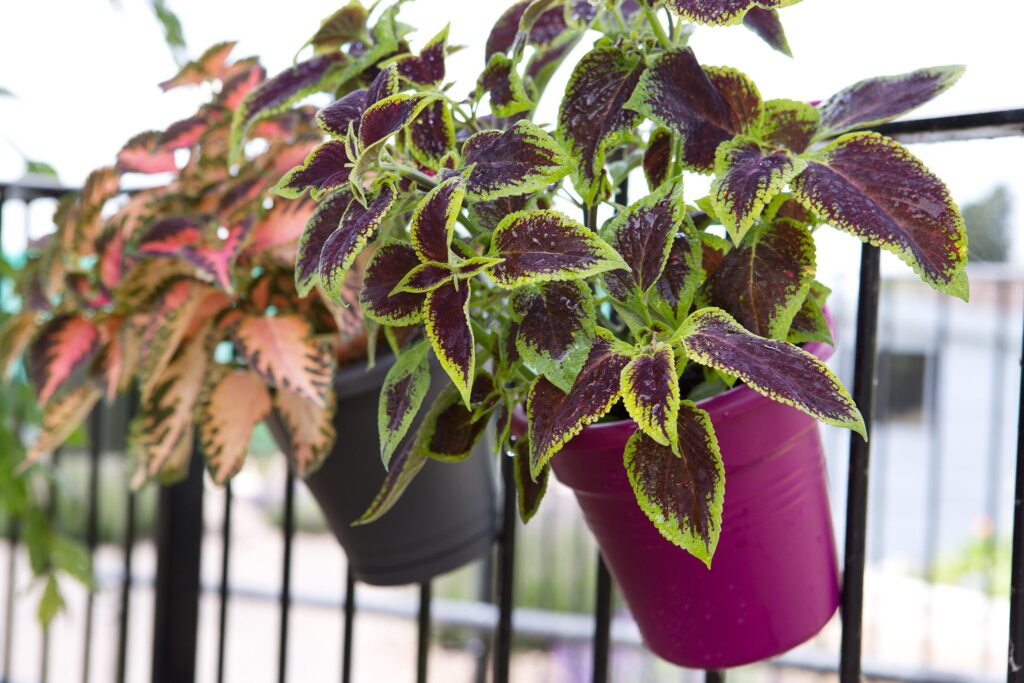
As a homeowner with a sunny balcony, you’re likely looking for ways to brighten up your outdoor space and add some color to your life. One of the simplest and most effective ways to achieve this is by planting flowers or shrubs that thrive in full sun. In this article, we’ll explore some of the best plants for balconies exposed to direct sunlight, along with expert tips on how to care for them.
Why Choose Sun-Loving Plants?
Before we dive into our top picks, let’s talk about why sun-loving plants are a great choice for balconies. For starters, they’re relatively low-maintenance and can add a pop of color to your space without requiring too much effort. Plus, many species are drought-tolerant, making them perfect for balcony gardens where water may be scarce.
The Benefits of Sun-Loving Plants
Sun-loving plants offer a range of benefits that make them ideal for balconies. Here are just a few reasons why:
- Improved Air Quality: Many sun-loving plants are natural air purifiers, capable of removing pollutants and toxins from the air.
- Increased Property Value: Well-designed balcony gardens can boost your property value, making it more attractive to potential buyers if you decide to sell.
- Reduced Stress: Being surrounded by nature has been shown to reduce stress levels and improve overall well-being.
- Year-Round Interest: Sun-loving plants provide year-round interest, with some species blooming in the spring, others in summer, and others in fall.
Meet Our Top 8 Picks
- Salvia Ornamentale
Salvia is a popular choice among balcony gardeners due to its low-maintenance requirements and stunning blue or red flowers. This versatile herb can also be used in cooking, adding an extra layer of functionality to your balcony garden. - Geranium
Geraniums are a classic balcony plant that come in a variety of colors and bloom patterns. They’re easy to care for and can thrive in full sun, making them perfect for brightening up your outdoor space. - Lavender
Who doesn’t love the scent of lavender? This fragrant herb is not only beautiful but also has a range of health benefits. Plus, it’s relatively low-maintenance and can tolerate some neglect. - Petunia
Petunias are known for their vibrant colors and ability to thrive in full sun. These easy-to-grow flowers come in a variety of shapes and sizes, making them perfect for adding a burst of color to your balcony. - Portulaca (Flower of Glass)
Portulaca is a unique and low-maintenance plant that’s perfect for balconies with full sun exposure. Its delicate, glass-like flowers come in a range of colors and can thrive in poor soil conditions. - Plumbago Auriculata (Piombaggine)
This stunning blue-flowering plant is a popular choice among balcony gardeners due to its ease of care and beautiful blooms. It’s also relatively drought-tolerant, making it perfect for busy gardeners. - Lantana
Lantana is a low-maintenance shrub that thrives in full sun conditions. Its clusters of small flowers come in a range of colors and can tolerate some neglect, making it perfect for busy balcony gardeners. - Ibisco
Tips for Growing Sun-Loving Plants on Your Balcony
Now that we’ve covered our top picks, let’s talk about how to grow them on your balcony. Here are some expert tips to keep in mind:
- Choose a Spot with Full Sun: Look for a spot that receives at least 6 hours of direct sunlight per day.
- Use Well-Draining Soil and Containers: Prevent waterlogged soil by using containers with good drainage and a well-draining potting mix.
- Water Regularly, but Avoid Overwatering: Check the soil moisture by sticking your finger into the soil up to the first knuckle. If the soil feels dry, it’s time to water!
- Fertilize During the Growing Season: Fertilize plants during the growing season (spring-fall) with a balanced fertilizer. Follow the manufacturer’s instructions for application rates and timing.
- Prune Regularly to Maintain Shape and Encourage Blooming: Pruning helps maintain plant shape, promotes healthy growth, and encourages blooming.
Additional Tips for Balcony Gardening
In addition to choosing the right plants and following expert care tips, here are some additional tips to keep in mind when growing sun-loving plants on your balcony:
- Consider Wind Protection: If you live in an area with strong winds, consider using windbreaks or other protective measures to prevent damage to your plants.
- Monitor Temperature Fluctuations: Some sun-loving plants can tolerate frost, while others are more sensitive to temperature fluctuations. Choose varieties that are suitable for your climate zone and take steps to protect your plants from extreme temperatures.
- Keep an Eye Out for Pests and Diseases: Regularly inspect your plants for signs of pests or diseases, and take action promptly if you notice any issues.
Conclusion
Growing sun-loving plants on your balcony is a great way to add some color and life to your outdoor space. By choosing the right species and following our expert tips, you can create a beautiful and thriving balcony garden that’s perfect for relaxing or entertaining.
FAQs
- Q: What’s the best plant for my sunny balcony?
A: The best plant for your sunny balcony will depend on your personal preferences and lifestyle. Consider factors like maintenance requirements, bloom time, and pest resistance when choosing the perfect species. - Q: How often should I water my sun-loving plants?
A: Water your plants regularly, but avoid overwatering. Check the soil moisture by sticking your finger into the soil up to the first knuckle. If the soil feels dry, it’s time to water! - Q: Can I grow sun-loving plants in containers on my balcony?
A: Yes! Containers are a great way to grow sun-loving plants on your balcony. Choose containers with good drainage and a well-draining potting mix for optimal health. - Q: How can I prevent pests from damaging my sun-loving plants?
A: Regularly inspect your plants for signs of pests like aphids, whiteflies, or spider mites. Use organic pest control methods whenever possible to maintain a healthy ecosystem. - Q: Can I grow sun-loving plants in partial shade conditions?
A: While some sun-loving plants can tolerate partial shade, they’ll generally produce fewer blooms and be less robust than those grown in full sun. If you want to try growing sun-loving plants in partial shade, choose varieties specifically bred for this condition. - Q: How often should I fertilize my sun-loving plants?
A: Fertilize your sun-loving plants during the growing season (spring-fall) with a balanced fertilizer. Follow the manufacturer’s instructions for application rates and timing. - Q: Can I grow sun-loving plants in cold climates?
A: Some sun-loving plants can tolerate frost, while others are more sensitive to temperature fluctuations. Choose varieties that are suitable for your climate zone and take steps to protect your plants from extreme temperatures. - Q: How can I propagate my sun-loving plants?
A: Propagation methods vary depending on the plant species. Some popular methods include stem cuttings, leaf propagation, or division of established plants. Research specific propagation techniques for your favorite sun-loving plants!


