
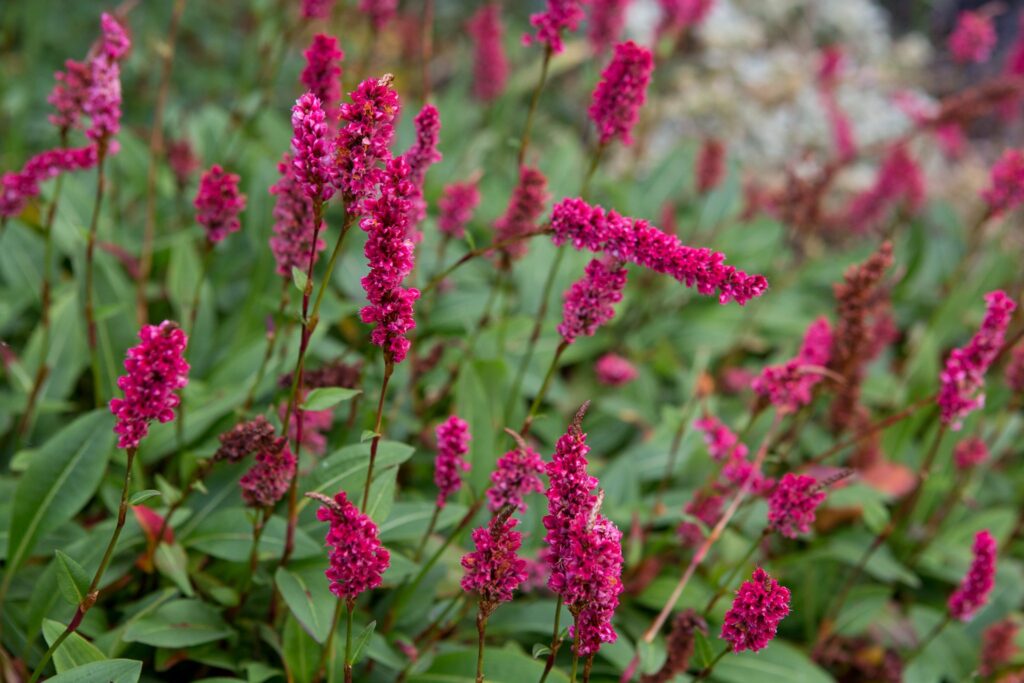
As a gardener, there’s nothing more frustrating than finding out that your garden is too wet. But what if you could turn this limitation into an advantage? With the right plants, you can create a beautiful and thriving garden in even the most challenging conditions.
In this article, we’ll explore some of the best plants for wetlands, including ornamental plants and flowers that can thrive in damp environments. We’ll also provide tips on how to care for these plants and overcome common challenges associated with planting in wetlands.
Understanding Wetland Plants
Wetland plants are adapted to growing in environments where the soil is saturated with water for part or all of the year. These plants have evolved unique characteristics that allow them to survive and even thrive in conditions that would be challenging for most other plants.
These adaptations may include:
- Deep roots that allow them to access oxygen in low-oxygen soils
- Broad leaves that help them absorb as much sunlight as possible, even in dense vegetation
- Specialized roots that can tolerate standing water or flooding
- Thick cuticles on their leaves and stems that prevent water from entering the plant
Top 5 Plants for Wetlands
Here are five plants that are perfect for wetlands, including their growth habits, light requirements, and special care needs:
-
Hibiscus Moscheutos
This stunning flower boasts large, showy blooms in shades of pink and white. It prefers moist soil but can tolerate some drought once established. Be sure to plant it in a spot with full sun and well-draining soil. -
Growth habit: Upright shrub
- Light requirements: Full sun (6+ hours direct sunlight)
-
Special care needs: Water regularly during dry spells, fertilize annually
-
Physostegia virginiana
Also known as the Virgin’s Bower, this perennial plant has beautiful, rose-colored flowers that are perfect for adding a touch of elegance to your garden. It prefers moist, fertile soil and partial shade. -
Growth habit: Clump-forming perennial
- Light requirements: Partial shade (4-6 hours direct sunlight)
-
Special care needs: Divide every 3 years to maintain shape, prune regularly
-
Lysimachia punctata
This fast-growing shrub produces bright yellow flowers in late summer and early fall. It thrives in wet conditions and can tolerate some drought once established. Be sure to plant it in a spot with full sun to partial shade. -
Growth habit: Upright shrub
- Light requirements: Full sun (6+ hours direct sunlight) to partial shade
-
Special care needs: Prune regularly, divide every 2 years
-
Menta Aquatica
Also known as Water Mint, this hardy perennial has beautiful, pale-green leaves and white flowers that bloom in the summer. It prefers moist soil and partial shade, making it perfect for shady areas of your garden. -
Growth habit: Clump-forming perennial
- Light requirements: Partial shade (4-6 hours direct sunlight)
-
Special care needs: Prune regularly to maintain shape, divide every 3 years
-
Calla Sevatica
This elegant flower boasts striking white blooms with green tips. It prefers well-draining soil and partial shade, making it a great choice for adding some drama to your garden. -
Growth habit: Upright perennial
- Light requirements: Partial shade (4-6 hours direct sunlight)
- Special care needs: Divide every 2 years, prune regularly
Tips for Planting in Wetlands
While planting in wetlands can be challenging, there are several tips that can help you succeed:
- Choose plants that are adapted to the specific conditions of your wetland.
- Make sure the soil is well-draining and not too wet or dry.
- Fertilize regularly to promote healthy growth.
- Prune regularly to maintain shape and encourage blooming.
Common Challenges in Wetland Gardening
One of the biggest challenges when planting in wetlands is overcoming the limitations associated with the environment. Here are some common issues that can arise:
- Waterlogged soil: Make sure to plant in areas where the soil drains well, and avoid overwatering.
- Drought: While these plants can tolerate some drought once established, be sure to water them regularly during dry spells.
- Pests and diseases: Regularly inspect your plants for signs of pests or diseases, and take action promptly if you notice any issues.
Soil Conditions in Wetlands
The soil conditions in wetlands can be challenging, with high levels of nutrient-rich silt and peat. This can lead to:
- Eutrophication: Excessive nutrient levels that promote excessive algae growth
- Soil compaction: Heavy rainfall or flooding can compact the soil, making it difficult for roots to grow
To mitigate these issues, consider using organic matter like compost or mulch to improve soil structure and fertility.
Maintenance and Pruning
Regular maintenance is crucial in a wetland garden. Be sure to:
- Prune plants regularly to maintain shape and encourage blooming
- Divide perennials every 2-3 years to maintain their health and vigor
- Fertilize annually with an organic fertilizer
Pruning can also help prevent overgrowth, which can lead to waterlogged conditions.
Native Plants in Wetlands
Using native plants is essential when creating a wetland garden. These plants have evolved alongside the local ecosystem and are adapted to the specific conditions of the area.
Some benefits of using native plants include:
- Improved biodiversity
- Enhanced ecosystem resilience
- Reduced maintenance needs
When selecting plants, be sure to choose those that are well-suited to your specific climate and soil conditions.
Conclusion
Planting in wetlands can be a challenging but rewarding experience. By choosing the right plants for your garden and following our tips for success, you can create a beautiful and thriving oasis even in the most difficult conditions.
Remember to always research the specific needs of each plant before planting, and don’t hesitate to seek advice from local gardening experts or nurseries if needed.
FAQs
- What are some of the best plants for wetlands?
Some of the best plants for wetlands include Hibiscus Moscheutos, Physostegia virginiana, Lysimachia punctata, Menta Aquatica, and Calla Sevatica. - How often should I water my plants in a wetland garden?
Water your plants regularly during dry spells, but avoid overwatering, which can lead to root rot and other problems. - Can I plant vegetables in a wetland garden?
While some vegetables can tolerate wet conditions, many are not well-suited for wetlands. Be sure to choose plants that are specifically adapted to the conditions of your garden. - How do I protect my plants from pests and diseases in a wetland garden?
Regularly inspect your plants for signs of pests or diseases, and take action promptly if you notice any issues. - Can I plant flowers in a wetland garden year-round?
While some flowers can bloom year-round in wet conditions, others may go dormant during the winter months. Be sure to choose plants that are suitable for the specific growing conditions of your garden. - How do I maintain my wetland garden?
Regularly prune and fertilize your plants to promote healthy growth, and avoid overwatering or underwatering. - Can I use mulch in a wetland garden?
Yes, mulching can be beneficial in a wetland garden by helping to retain moisture and suppress weeds. - How do I prevent erosion in my wetland garden?
Use natural methods such as planting native vegetation, using terracing or raised beds, and avoiding heavy tillage to prevent erosion.


