
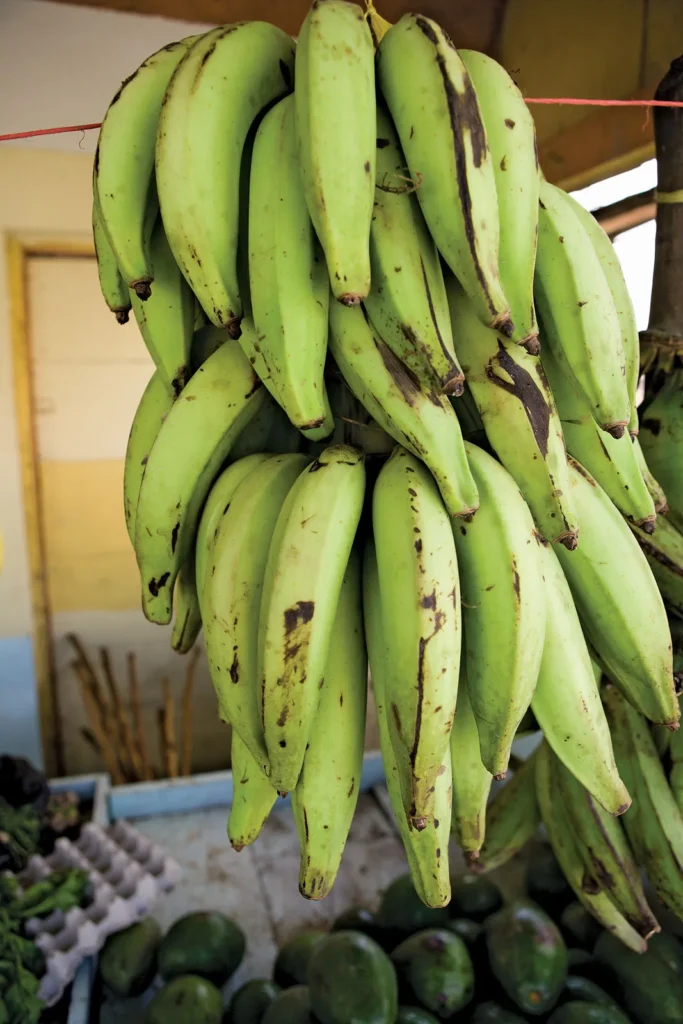
What is a Plantain?
A plantain is a type of starchy fruit that belongs to the same genus as bananas. While both fruits share some similarities, they have distinct differences in terms of taste, texture, and usage. In this article, we will delve into the world of plantains, exploring their history, nutritional benefits, and various culinary uses.
History of Plantains
Plantains are native to Southeast Asia and were first cultivated in the region over 4,000 years ago. From there, they spread to other parts of Asia, Africa, and the Americas, becoming an integral part of many local cuisines. In Africa, plantains are a staple food, providing essential nutrients to millions of people. In the Caribbean, plantains are often served fried or boiled, and are a key ingredient in traditional dishes like “Kerala” and “Rellenitos de Platano”.
Plantains were introduced to the Americas by Spanish colonizers in the 16th century, where they quickly became an important crop for many small-scale farmers. In some regions, plantains were grown alongside bananas, while in others, they were cultivated separately due to their different characteristics.
Nutritional Benefits of Plantains
Plantains are an excellent source of potassium, fiber, and carbohydrates. They contain more calories than bananas, but are lower in sugar content. A medium-sized plantain provides approximately 220 calories, making it a satisfying snack or side dish. The high fiber content helps regulate digestion, while the potassium content supports healthy blood pressure levels.
Plantains also contain other essential nutrients like vitamin C, vitamin B6, and manganese, which play important roles in maintaining healthy bones, immune function, and antioxidant defenses.
Plantains: The Fruit of the Americas
In the Americas, plantains are grown in many countries, including Costa Rica, Guatemala, and Colombia. They are an essential crop for many small-scale farmers, providing a reliable source of income and food security. In some regions, plantains are harvested by hand, while in others, they are cultivated using modern farming techniques.
Plantain production is also significant in the United States, particularly in Hawaii and Florida, where the fruit is grown as an alternative to bananas. Hawaiian plantains are known for their sweet taste and soft texture, making them a popular ingredient in local dishes like “Haupia” (coconut milk dessert) and “Laulau” (steamed pork and fish).
Preparing Plantains
Plantains can be prepared in various ways, including frying, boiling, baking, or microwaving. For the best results, choose ripe plantains with a yellow skin and slightly soft texture. When preparing plantains, it’s essential to heat oil to a high temperature before adding the fruit to prevent burning.
When boiling or steaming plantains, they should be cooked until tender, then sliced or mashed as desired. Baking or microwaving plantains brings out their natural sweetness and can be used in desserts like “Plantain Pudding” or “Banana Bread”.
Traditional Plantain Dishes
Kerala
Kerala is a traditional breakfast dish from Puerto Rico, made with boiled or fried plantains, cheese, and meat (usually pork). The dish is served hot, often accompanied by rice and beans.
Ingredients:
- 2-3 ripe plantains
- 1 pound cooked pork
- 1 cup shredded cheese
- Salt and pepper to taste
Instructions:
- Peel and slice the plantains into thin rounds.
- Boil or fry the plantain slices until tender.
- Serve with cooked pork, cheese, and rice.
Rellenitos de Platano
Rellenitos de Platano are stuffed plantains that originated in Guatemala. Young plantains are peeled, sliced, and then filled with a mixture of sugar, cinnamon, and chopped nuts. The filling is then sealed inside the plantain skin and baked or fried until golden brown.
Ingredients:
- 2-3 young plantains
- 1/4 cup granulated sugar
- 1/4 teaspoon ground cinnamon
- 1/4 cup chopped nuts (walnuts or almonds)
- Vegetable oil for frying
Instructions:
- Peel the plantains and slice them into thin rounds.
- Mix together sugar, cinnamon, and chopped nuts.
- Fill each plantain round with the sugar mixture, then seal the edges.
- Fry or bake until golden brown.
Chapo
Chapo is a Peruvian drink made from boiled plantains, water, and sugar. The drink is rich in potassium and has been used for centuries as a natural remedy for various ailments.
Ingredients:
- 2-3 ripe plantains
- 2 cups water
- 1 tablespoon granulated sugar
Instructions:
- Peel the plantains and boil them until tender.
- Blend with water to create a smooth paste.
- Add sugar to taste, then serve hot.
Plantain Flour
Plantain flour, also known as “masa harina”, is a popular ingredient in Latin American cuisine. The flour is made from dried and ground plantains and is rich in protein, fiber, and carbohydrates. It’s often used to make bread, pancakes, or other baked goods.
Ingredients:
- 2-3 cups dried plantain peel
- 1 cup water
Instructions:
- Dry the plantain peel until crispy.
- Grind into flour using a blender or food processor.
- Mix with water to create a smooth batter.
- Use in baking recipes as desired.
Conclusion
In conclusion, the plantain is an incredible fruit that offers numerous benefits for our health and well-being. With its rich history, nutritional profile, and versatility in cooking, it’s no wonder why plantains are a staple food in many parts of the world. Whether you’re looking to try new recipes or learn more about this amazing fruit, we hope this article has provided valuable insights and inspiration.
Frequently Asked Questions
Q: What is the difference between plantains and bananas?
A: Plantains are starchier and less sweet than bananas, with a thicker skin and larger size.
Q: How do I prepare plantains for cooking?
A: Choose ripe plantains with a yellow skin and slightly soft texture. Heat oil to a high temperature before adding the fruit to prevent burning.
Q: Are plantains good for me?
A: Yes! Plantains are rich in potassium, fiber, and carbohydrates, making them an excellent snack or side dish.
Q: Can I use plantain flour to make bread?
A: Absolutely! Masa harina is a popular ingredient in Latin American cuisine and can be used to make delicious bread, pancakes, or other baked goods.
Q: How do I store plantains?
A: Store ripe plantains at room temperature or in the refrigerator. Avoid storing them in direct sunlight or high temperatures.
Q: Can I grow my own plantain tree?
A: Yes! Plantain trees are relatively easy to care for and can be grown in warm climates with well-drained soil.
Q: Are plantains only eaten in tropical regions?
A: No! While plantains originated in Southeast Asia, they have been cultivated and consumed in many parts of the world, including Africa, the Americas, and Europe.


