
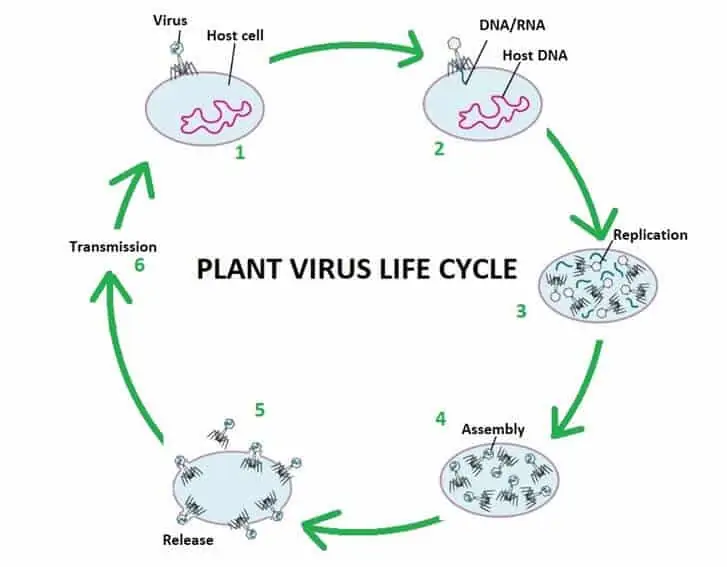
Plant viruses are a significant threat to gardeners worldwide. These tiny organisms can cause devastating damage to crops, reducing yields and affecting the quality of produce. In this article, we’ll delve into the world of plant viruses, exploring their symptoms, causes, and prevention strategies.
What Are Plant Viruses?
Plant viruses are infectious agents that replicate within plant cells, using the host’s cellular machinery to complete their life cycle. They can be transmitted through various means, including insect vectors, water, and soil contamination. Once infected, plants exhibit a range of symptoms, which can vary depending on the specific virus and its impact on the plant.
Common Plant Viruses
Some of the most common plant viruses include:
- Tobacco Mosaic Virus (TMV): Affects tobacco, tomato, pepper, and eggplant crops
- Potato Virus X (PVX): Infests potatoes, tomatoes, and peppers
- Cucumber Mosaic Virus (CMV): Attacks cucumbers, squash, and melons
Symptoms of Plant Viruses
The symptoms of plant viruses can be quite distinctive. Some common signs include:
- Yellowing or wilting leaves
- Stunted growth or distorted plant morphology
- Swollen or sunken spots on stems and leaves
- Reduced fruit set or deformed fruits
- Leaf curl or distortion
How Do Plant Viruses Spread?
Plant viruses can spread through various means, including:
- Insect vectors: Aphids, whiteflies, and other insects can transmit plant viruses as they feed on infected plants.
- Water-borne transmission: Water contaminated with virus particles can infect new plants during irrigation or rain showers.
- Soil-borne transmission: Virus particles can survive in soil for extended periods, allowing them to infect new plants through contact.
Prevention Strategies
While there’s no cure for plant viruses, prevention strategies can significantly reduce the risk of infection. Some effective methods include:
- Sanitation and disinfection: Regularly clean and disinfect tools, equipment, and work areas to prevent virus transmission.
- Crop rotation: Rotate crops to break disease cycles and reduce the buildup of virus particles in soil.
- Resistant varieties: Plant resistant or tolerant varieties to minimize damage from virus-infected plants.
- Integrated pest management (IPM): Implement IPM strategies that combine cultural, chemical, and biological controls to manage pests and diseases.
Conclusion
Plant viruses are a significant threat to gardeners worldwide. Understanding the symptoms, causes, and prevention strategies can help you protect your crops and reduce the risk of infection. By adopting a proactive approach to virus management, you can safeguard your harvest and maintain healthy, productive plants.
Frequently Asked Questions
- What is the most common plant virus?
- Tobacco Mosaic Virus (TMV) is one of the most widespread plant viruses, affecting tobacco, tomato, pepper, and eggplant crops.
- How do plant viruses spread?
- Plant viruses can be transmitted through insect vectors, water-borne transmission, or soil-borne transmission.
- Can plant viruses be cured?
- Currently, there is no cure for plant viruses, but prevention strategies and resistant varieties can help minimize damage.
- What is the best way to prevent plant virus spread?
- Regular sanitation and disinfection, crop rotation, and using resistant varieties are effective methods for preventing plant virus transmission.
- Can I use chemical pesticides to control plant viruses?
- While chemical pesticides can be used to control pests that transmit plant viruses, they should not be relied upon as the sole means of virus management.
Plant Virus Transmission: A Detailed Explanation
Plant viruses can be transmitted through various routes, including:
- Insect vectors: Aphids, whiteflies, and other insects can transmit plant viruses as they feed on infected plants.
- Water-borne transmission: Water contaminated with virus particles can infect new plants during irrigation or rain showers.
- Soil-borne transmission: Virus particles can survive in soil for extended periods, allowing them to infect new plants through contact.
Virus-Resistant Varieties: A Key to Plant Virus Management
Using virus-resistant varieties is an effective method for minimizing damage from plant viruses. These varieties have genetic traits that make them more resistant to specific viruses, reducing the risk of infection and disease.
Integrated Pest Management (IPM): A Comprehensive Approach
IPM involves combining cultural, chemical, and biological controls to manage pests and diseases, including plant viruses. This approach can help reduce the risk of virus transmission by:
- Monitoring for pest and disease activity: Regularly inspect plants for signs of pests or diseases.
- Implementing cultural controls: Adjust growing practices to prevent pest and disease buildup.
- Using chemical controls: Apply targeted pesticides to control pests that transmit plant viruses.
- Employing biological controls: Use natural predators or pathogens to control pest populations.
Biological Control Methods
Biological control methods involve using natural organisms to control pest populations, including those that transmit plant viruses. Some effective biological control methods include:
- Predatory insects: Introduce predatory insects, such as lady beetles or lacewings, which feed on pests that transmit plant viruses.
- Pathogens: Use pathogens, such as bacteria or fungi, to control pest populations.
- Trichogramma wasps: Use Trichogramma wasps, which are natural parasites of certain pests.
Preventing Plant Virus Transmission: Tips and Best Practices
Preventing plant virus transmission requires a proactive approach. Some effective tips and best practices include:
- Regularly clean and disinfect tools and equipment
- Use resistant varieties
- Implement crop rotation
- Monitor for pest and disease activity
- Use integrated pest management (IPM) strategies


