
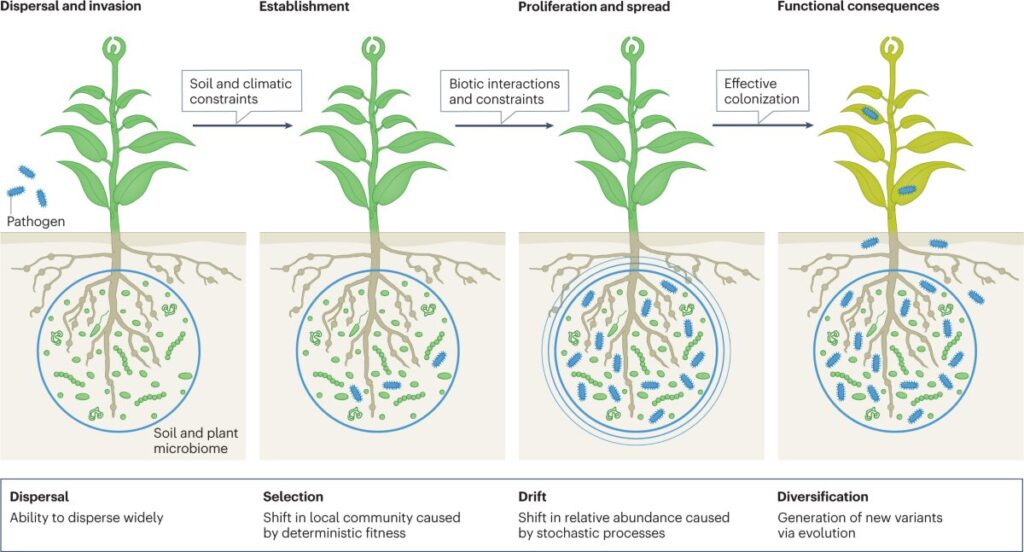
Understanding Plant Pathogens: The Impact of Climate Change
As the world grapples with the challenges of climate change, it is essential to understand the impact of rising temperatures and altered ecosystems on plant pathogens. In this article, we will explore the consequences of climate change on plant diseases, the role of insects as vectors, and strategies for mitigating these effects.
The Impact of Climate Change on Plant Diseases
Climate change is altering the dynamics between plants, pathogens, and their environment. Rising temperatures and altered precipitation patterns are creating a perfect storm for plant diseases to spread. For example, warmer temperatures can lead to increased growth rates in some plant species, making them more susceptible to disease. At the same time, changing weather conditions can facilitate the spread of pathogens by allowing them to survive longer periods outdoors.
The Piramide della Malattia: Plant, Pathogen, and Environment
To understand the impact of climate change on plant diseases, it is essential to consider the triad of plant, pathogen, and environment. The piramide della malattia (disease pyramid) represents the hierarchical relationships between these three components. Changes in temperature, precipitation, and other environmental factors can affect the balance within this triangle, leading to increased disease pressure.
Insects as Vectors of Plant Disease
Insects play a crucial role in the transmission of plant diseases. Some insects, such as aphids and whiteflies, can transmit pathogens directly from plant to plant. Others, like beetles and flies, can carry pathogens on their bodies or in their digestive systems, making them vectors for disease spread.
The Role of Insects in Shaping Plant Disease Ecology
Insects can significantly influence the ecology of plant diseases. For example, some insects can modify the environment around plants, creating conditions that favor disease development. Others can disrupt natural defense mechanisms, allowing pathogens to infect plants more easily.
Adapting to Climate Change: Strategies for Mitigation
As climate change continues to impact plant diseases, it is essential to develop strategies for mitigation. Some approaches include:
- Integrated Pest Management (IPM): IPM involves a combination of techniques, such as crop rotation, biological control, and cultural practices, to manage pests and diseases.
- Monitoring and Early Warning Systems: Establishing monitoring systems can help detect early warning signs of disease outbreaks, allowing for prompt intervention.
- Breeding for Disease Resistance: Breeding plants with natural resistance to specific pathogens can reduce the risk of disease spread.
The Future of Plant Pathology: Challenges and Opportunities
The field of plant pathology is facing significant challenges in the face of climate change. However, these changes also present opportunities for innovation and advancement. By understanding the complex relationships between plants, pathogens, and their environment, we can develop more effective strategies for mitigating the impact of climate change on plant diseases.
Frequently Asked Questions
Q: What are some common plant diseases that are affected by climate change?
A: Some common plant diseases that are affected by climate change include powdery mildew, leaf spot, and root rot.
Q: How can I protect my plants from disease?
A: There are several ways to protect your plants from disease, including using resistant varieties, practicing good sanitation, and applying integrated pest management techniques.
Q: What role do insects play in the spread of plant diseases?
A: Insects can play a significant role in the spread of plant diseases by serving as vectors for pathogens or modifying the environment around plants in ways that favor disease development.
Q: How can I use climate data to inform my plant health decisions?
A: By understanding how climate change is impacting local weather patterns and disease dynamics, you can make more informed decisions about your plant health management strategies.
Q: What are some emerging threats to plant health in the context of climate change?
A: Some emerging threats to plant health include the spread of new pathogens, changes in insect populations, and increased risk of invasive species.
Understanding the Impact of Climate Change on Plant Pathogens
Climate change is having a profound impact on the dynamics between plants, pathogens, and their environment. Rising temperatures and altered precipitation patterns are creating conditions that favor disease development and spread. To better understand these impacts, it’s essential to consider the following factors:
- Temperature: Warmer temperatures can increase plant growth rates, making them more susceptible to disease.
- Precipitation: Changes in precipitation patterns can facilitate disease spread by allowing pathogens to survive longer periods outdoors.
- Drought: Drought conditions can reduce plant resistance to disease, making them more vulnerable to infection.
The Role of Soil Microorganisms in Plant Disease
Soil microorganisms play a crucial role in the development and spread of plant diseases. Some microorganisms can:
- Influence soil pH: Changes in soil pH can affect the availability of nutrients, which can impact plant health.
- Modify soil structure: Alterations to soil structure can create conditions that favor disease development.
Climate Change and Plant Pathogen Interactions
The interactions between plants, pathogens, and their environment are complex and influenced by climate change. To better understand these interactions, it’s essential to consider the following factors:
- Pathogen-plant relationships: The relationship between a pathogen and its host plant can impact disease development and spread.
- Environmental factors: Climate change is altering environmental conditions that can impact plant health.
Climate Change and Plant Health Management
Climate change is impacting plant health management strategies. To adapt to these changes, it’s essential to consider the following:
- Integrated pest management (IPM): IPM involves a combination of techniques, such as crop rotation, biological control, and cultural practices, to manage pests and diseases.
- Monitoring and early warning systems: Establishing monitoring systems can help detect early warning signs of disease outbreaks, allowing for prompt intervention.
Climate Change and Plant Pathogen Evolution
Climate change is driving the evolution of plant pathogens. To better understand these changes, it’s essential to consider the following factors:
- Pathogen adaptation: Pathogens are adapting to changing environmental conditions by evolving new traits.
- Host-pathogen interactions: The relationship between a pathogen and its host plant can impact disease development and spread.
Conclusion
Climate change is having a profound impact on the dynamics between plants, pathogens, and their environment. To better understand these impacts, it’s essential to consider the complex relationships between these three components. By understanding how climate change is impacting local weather patterns and disease dynamics, we can develop more effective strategies for mitigating the impact of climate change on plant diseases.
Recommendations
- Monitor local weather patterns: Establishing monitoring systems can help detect early warning signs of disease outbreaks, allowing for prompt intervention.
- Implement integrated pest management (IPM): IPM involves a combination of techniques, such as crop rotation, biological control, and cultural practices, to manage pests and diseases.
- Breeding for disease resistance: Breeding plants with natural resistance to specific pathogens can reduce the risk of disease spread.
Limitations
- Climate change is complex: Climate change involves multiple factors that interact in complex ways, making it challenging to predict its impact on plant health.
- Limited understanding: There is still a limited understanding of how climate change is impacting local weather patterns and disease dynamics.
- Challenges in implementation: Implementing strategies for mitigating the impact of climate change on plant diseases can be challenging due to factors such as limited resources, lack of expertise, and regulatory issues.
Future Directions
- Research on climate change impacts: Continued research is needed to better understand how climate change is impacting local weather patterns and disease dynamics.
- Development of new strategies: Developing new strategies for mitigating the impact of climate change on plant diseases can help address challenges in implementation.
- Promoting awareness and education: Promoting awareness and education about the impacts of climate change on plant health can help build support for mitigation efforts.
By understanding the complex relationships between plants, pathogens, and their environment, we can develop more effective strategies for mitigating the impact of climate change on plant diseases.


