
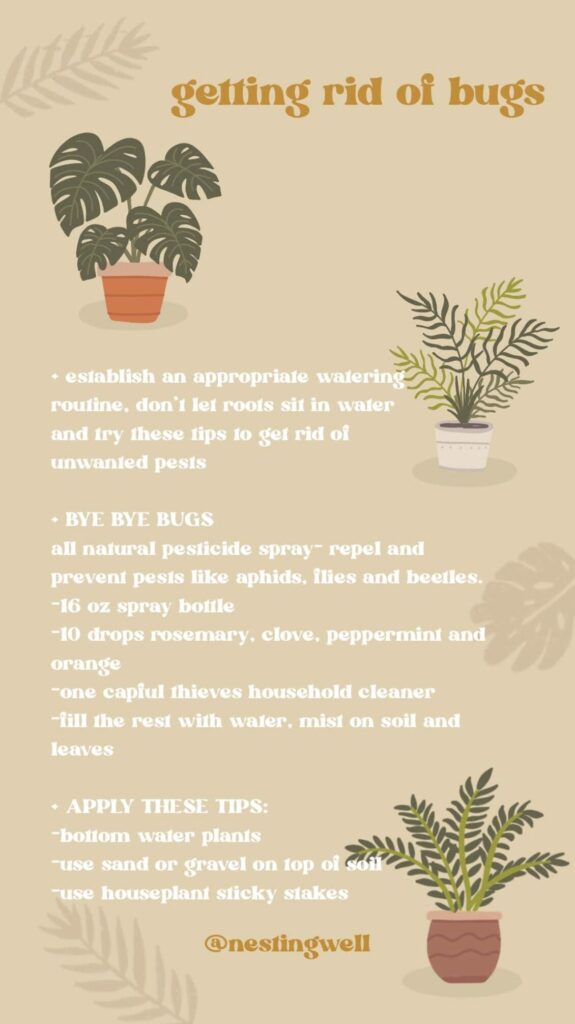
As a gardener, there’s nothing more frustrating than dealing with pesky plant parasites that can devastate your hard work. While chemical pesticides may seem like an easy solution, they pose a significant threat to the environment and human health. In this article, we’ll explore natural remedies for plant parasites that are effective, eco-friendly, and safe for your family.
Understanding Plant Parasites
Plant parasites come in many forms, including insects, fungi, and bacteria. These unwanted guests can spread diseases, weaken plants, and reduce yields. Common pests include aphids, whiteflies, spider mites, and caterpillars. Fungal diseases like powdery mildew, leaf spot, and root rot are also prevalent.
Natural Remedies for Plant Parasites
Mother Nature has provided us with a wealth of natural remedies to combat plant parasites. Here are some effective and easy-to-make solutions:
Broth-based Remedies
- Orchard Broth: Steep 100g of fresh dandelion greens in 1 liter of water for 6 days. Strain the liquid and use it as a foliar spray or soil drench.
- The high levels of antioxidants, vitamins, and minerals present in dandelion greens make them an excellent natural remedy against plant parasites.
- Garlic Broth: Boil 20-50g of garlic peel in 1 liter of water for 6 days. Let it cool, then strain and use it as a spray or soil treatment.
- Garlic contains sulfur compounds that have natural insecticidal properties, making it an effective remedy against pests like aphids, whiteflies, and spider mites.
Herbal Remedies
- Minty Fresh: Steep 100g of fresh mint leaves in 10 liters of water to create an infusion that repels ants, aphids, and spider mites.
- Mint is known for its calming effects on humans but also has natural insect-repelling properties. Its fragrance can be quite overwhelming for pests like ants and aphids.
- Fern Frenzy: Soak 100g of fern fronds in water for 6 days. Use the resulting liquid as a spray or soil treatment to control pests like caterpillars and slugs.
- Ferns have anti-inflammatory properties that can help soothe damaged leaves and stems, making them less susceptible to pest attacks.
Conserving Resources: Tips for Managing Plant Parasites
To minimize harm to your plants, here are some practical tips:
Protecting Specific Plants
- Camellias from Pests: Soak 300g of sambuco leaves in water for 30 minutes. Filter the liquid and spray it on camellia plants three times a week.
- Sambuco is a natural insect repellent, making it perfect for protecting plants like camellias against pests like slugs and snails.
- Roses from Aphids: Plant rosemary near your roses to repel aphids.
- Rosemary has natural insect-repelling properties that can help protect roses from aphid infestations. The fragrance of rosemary is particularly attractive to these pests, causing them to stay away.
Plant Allies: Natural Pesticides
Certain plants are natural pesticides that can help protect your garden. Some of these include:
Repelling Insects
- Basil: Repels aphids, mites, and caterpillars.
- Basil contains compounds like linalool and eucalyptol, which have natural insect-repelling properties.
- Geranium: Repels insects like slugs, snails, and Japanese beetles.
- Geranium has a strong fragrance that can repel pests like slugs and snails. The plant’s leaves also contain compounds that help deter Japanese beetles.
Conducting a Soil Test
Before using any natural remedy, it’s essential to conduct a soil test to determine the pH level and nutrient content of your soil. This will help you identify any potential imbalances that may be contributing to pest issues.
Organic Amendments for Soil Improvement
- Composting: Composting helps break down organic matter into humus, which improves soil structure and fertility.
- Adding compost to your garden can increase the beneficial microbial population in your soil, making it more resilient to pests and diseases.
- Manure Tea: Manure tea is a liquid fertilizer made by steeping animal manure in water. It’s rich in nutrients and beneficial microorganisms that promote healthy plant growth.
Conclusion: A Healthy and Sustainable Garden
By embracing natural remedies and practices, you can create a healthy and sustainable garden that’s free from chemical pesticides. By working together with Mother Nature, we can protect our environment while enjoying the beauty of a thriving garden.
Frequently Asked Questions
- Q: How often should I spray my plants with natural remedies?
A: The frequency of application depends on the specific pest and plant type. Always follow the recommended usage instructions. - Q: Can I use these remedies on all types of plants?
A: Not all plants can tolerate certain ingredients, so always research compatibility before using a remedy. - Q: Are natural remedies effective against fungal diseases?
A: Some natural remedies can help prevent or treat fungal diseases, but they may not be as effective as chemical fungicides.


