
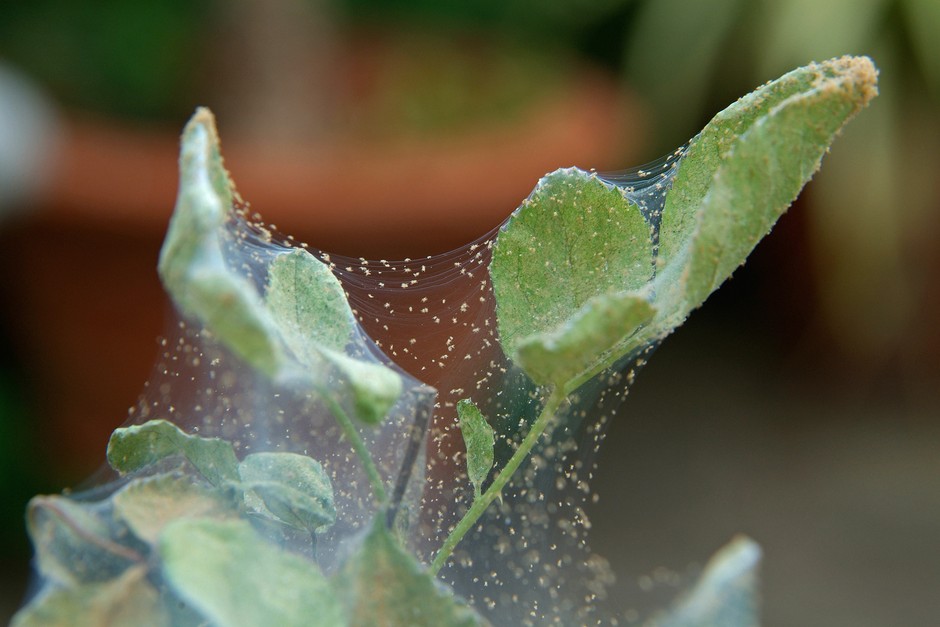
As a homeowner or gardener, you may have encountered tiny, unwanted visitors on your plants. These pesky creatures are known as plant mites, also referred to as acari delle piante in Italian. In this article, we will delve into the world of plant mites, explore their characteristics, symptoms, and life cycle, and discuss natural remedies for prevention and control.
What are Plant Mites?
Plant mites are not true insects but rather arachnids, closely related to spiders and scorpions. They are tiny, usually between 0.1-5 millimeters in length, and feed on plant sap, causing damage to the leaves and stems of plants.
Symptoms of Plant Mite Infestation
The presence of plant mites can be identified by small yellow or white specks on the undersides of leaves or tiny webbing on the stems. As infestations increase, symptoms may include:
- Leaves turning yellow or becoming scorched
- Stunted growth and reduced yields
- White or yellowish powdery patches on leaves
Prevention is Key
To avoid plant mite infestations, it’s essential to maintain good garden hygiene. This includes:
- Regularly inspecting plants for signs of infestation
- Removing weeds and debris that can harbor mites
- Using neem oil or insecticidal soap to control pests
Life Cycle of Plant Mites
Plant mites have a complex life cycle, which involves several stages:
- Egg stage: Females can lay up to 300 eggs per mating.
- Nymph stage: Eggs hatch into nymphs, which go through two molts before becoming adults.
- Adult stage: Adults feed on plant sap and reproduce, starting the cycle again.
Natural Remedies for Plant Mites
There are several natural remedies that can help control plant mite infestations:
- Insecticidal soap: A gentle, non-toxic solution that can be applied to plants to control pests.
- Neem oil: Derived from the seeds of the neem tree, this oil is toxic to plant mites and can be used as a preventative measure.
- Piretro: A natural insecticide made from pyrethrum flowers. It’s effective against plant mites but should be used with caution.
Additional Tips for Controlling Plant Mites
To further control plant mite infestations, consider the following tips:
- Maintain good air circulation: This can help prevent the buildup of humidity and reduce the likelihood of infestation.
- Use a stress-free environment: Stressful conditions, such as extreme temperatures or drought, can weaken plants and make them more susceptible to mite infestations.
- Avoid over-fertilizing: Excess nutrients can attract pests and create an environment conducive to infestation.
Frequently Asked Questions
Q: What is the best way to get rid of plant mites?
A: The most effective method for controlling plant mite infestations involves a combination of natural remedies, including neem oil, insecticidal soap, and piretro. Regular inspections and good garden hygiene practices can also help prevent infestations.
Q: Can I use pesticides to control plant mites?
A: While pesticides may be effective against plant mites in the short term, they can often have unintended consequences, such as harming beneficial insects or contaminating soil and water sources. Natural remedies are generally safer and more sustainable options for controlling plant mite infestations.
Q: How often should I treat my plants for plant mites?
A: The frequency of treatment depends on the severity of the infestation and the type of natural remedy used. Regular treatments may be necessary to control re-infestation, especially during peak mite activity seasons.
Q: Can plant mites transmit diseases to humans?
A: There is no evidence that plant mites can transmit diseases to humans. However, handling mites or contaminated plants can cause skin irritation in some individuals.
Q: How do I know if my plant has a mite infestation?
A: Inspect your plants regularly for signs of mite infestations, such as small yellow or white specks on the undersides of leaves or tiny webbing on stems.
Common Plant Mites and Their Symptoms
- Tetranychid mites: These are the most common type of plant mite. They cause yellowing leaves, stunted growth, and reduced yields.
- Phytoseiulus persimilis: This is a species of phytoseiid mites that can be used as a biological control agent against other plant mites.
- Oligonychus: These are spider mites that feed on plant sap and cause damage to leaves and stems.
Organic Pesticides for Plant Mite Control
There are several organic pesticides available for controlling plant mite infestations:
- Neem oil: A natural insecticide made from the seeds of the neem tree.
- Pyrethrum sprays: Derived from pyrethrum flowers, these sprays can be used to control a wide range of pests, including plant mites.
- Diatomaceous earth: A powder made from the fossilized remains of diatoms, these can be used to control crawling insects like plant mites.
Companion Planting for Mite Control
Some plants are known to repel or deter plant mites. Companion planting involves growing these plants alongside your crops to help prevent infestations:
- Garlic: Known to repel aphids and other pests, garlic can also be used to control plant mites.
- Chives: These herbs have natural insect-repelling properties that can help deter plant mite infestations.
- Basil: This herb is known to repel a wide range of pests, including plant mites.
Resistant Plant Varieties
Some plant varieties are naturally resistant to plant mite infestations. When selecting plants for your garden, look for those that have been bred to be resistant to these pests:
- Tomatoes: Many tomato varieties are resistant to plant mite infestations.
- Peppers: Both sweet and hot peppers can be grown in regions with high levels of plant mites.
- Cucumbers: These versatile vegetables are often resistant to plant mite infestations.
Integrated Pest Management (IPM)
IPM is a holistic approach to managing pests, including plant mites. It involves using a combination of techniques, such as natural remedies, companion planting, and resistant varieties, to control pest populations:
- Monitoring: Regularly inspect your plants for signs of infestation.
- Cultural controls: Maintain good garden hygiene practices, such as removing weeds and debris that can harbor mites.
- Biological controls: Use beneficial insects, such as ladybugs and lacewings, to control pest populations.
By understanding the characteristics, symptoms, and life cycle of plant mites, you can take steps to prevent infestations and use natural remedies to control these pests.



