
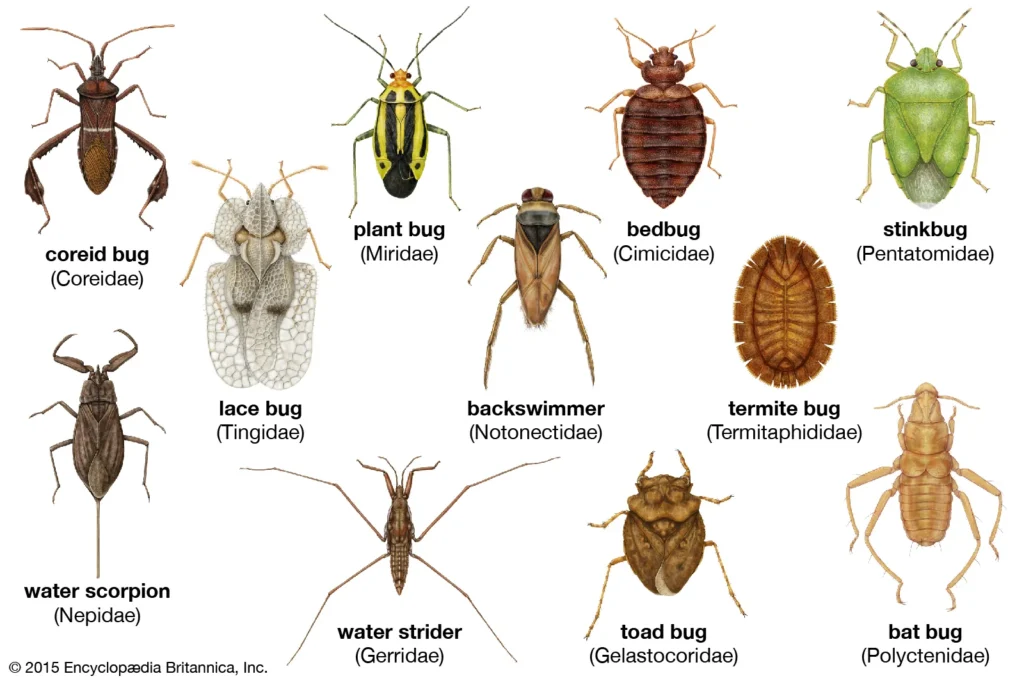
As we tend to our gardens and green spaces, it’s easy to overlook the tiny creatures that call these areas home. Insects are often viewed with suspicion or indifference, but they play a crucial role in maintaining the health and balance of our ecosystems.
In this article, we’ll delve into the world of insects that inhabit plants, exploring the good, the bad, and the useful. We’ll discuss the beneficial insects that can help control pests, as well as the ones that can cause harm to your garden.
Content
- Beneficial Insects
- Useful Insects for Balcony Gardens
- Harmful Insects of Plants
- A Guide to Managing Pests in Your Garden
Beneficial Insects
When it comes to insects that are beneficial to plants, there are several species that stand out. These helpful insects can be a gardener’s best friend when it comes to controlling pests and maintaining a healthy garden.
1. Ladybugs (Lady Beetles)
Ladybugs are often viewed as cute, harmless insects. However, these tiny beetles are actually voracious predators of aphids, whiteflies, and other pests that can damage plants. By attracting ladybugs to your garden, you can create a natural defense system against these pesky insects.
2. Lacewings
Lacewings are delicate, winged insects that feed on aphids, whiteflies, and other soft-bodied pests. These beneficial insects are particularly useful for controlling pests in greenhouses and indoor gardens.
3. Hoverflies (Flower Flies)
Hoverflies are often mistaken for wasps or bees, but they’re actually harmless to humans. These insects feed on nectar and pollen, as well as small insects like aphids and whiteflies.
4. Parasitic Wasps
Parasitic wasps are a type of insect that preys on other insects, including pests that harm plants. By introducing parasitic wasps into your garden, you can create a natural control system for these pesky insects.
5. Praying Mantis
Praying mantis are known for their distinctive prayer-like stance and voracious appetite for other insects. These beneficial predators feed on a wide range of pests, including aphids, whiteflies, and caterpillars.
6. Ground Beetles
Ground beetles are small, ground-dwelling insects that feed on a variety of pests, including slugs, snails, and caterpillars. By attracting ground beetles to your garden, you can create a natural defense system against these pests.
Useful Insects for Balcony Gardens
Even small balcony gardens can be affected by pests like aphids and whiteflies. To combat these issues, consider introducing beneficial insects specifically adapted to indoor environments.
1. Aphid-eating Bugs
Aphid-eating bugs are tiny insects that feed on the sap of aphids. By attracting these bugs to your balcony garden, you can create a natural defense system against aphids and other pests.
2. Ladybug Larvae
Ladybug larvae are voracious predators of aphids and other small insects. By introducing ladybug larvae into your balcony garden, you can create a natural control system for these pests.
Harmful Insects of Plants
While beneficial insects play a crucial role in maintaining healthy gardens, there are also many harmful insects that can cause damage to plants.
1. Aphids
Aphids are small, soft-bodied insects that feed on plant sap. These pesky insects can cause curled or distorted leaves, stunted growth, and reduced yields.
2. Whiteflies
Whiteflies are tiny, winged insects that feed on plant sap. These pests can transmit diseases like tomato spotted wilt virus (TSWV) to plants.
3. Caterpillars
Caterpillars are the larvae of butterflies and moths. While some caterpillars don’t cause significant damage, others can eat through entire leaves or stems, causing serious harm to plants.
A Guide to Managing Pests in Your Garden
Managing pests in your garden requires a multi-faceted approach. In addition to introducing beneficial insects, consider the following strategies:
- Physical barriers: Use fine-mesh screens or row covers to prevent pests from reaching your plants.
- Crop rotation: Rotate crops regularly to break the life cycle of pests and reduce the risk of infestation.
- Companion planting: Plant certain species alongside others that repel or attract beneficial insects.
Additional Tips for Managing Pests
- Monitor your garden regularly: Keep an eye out for signs of pest infestation, such as curled leaves, stunted growth, or whiteflies.
- Use natural repellents: Certain plants, like basil and mint, can repel pests. Consider incorporating these plants into your garden design.
- Avoid over-watering: Excess moisture can attract pests to your garden. Make sure to water your plants properly to prevent over-watering.
Conclusion
Insects are a vital part of our ecosystem, playing a crucial role in maintaining the health and balance of our gardens. By understanding which insects are beneficial, useful, and harmful, you can create a natural defense system against pests and promote healthy plant growth.
Frequently Asked Questions (FAQs)
Q: What are some examples of beneficial insects that can be introduced to my garden?
A: Ladybugs, lacewings, hoverflies, parasitic wasps, praying mantis, and ground beetles are all excellent choices for controlling pests in your garden.
Q: How can I attract beneficial insects to my balcony garden?
A: Use aphid-eating bugs, ladybug larvae, and other natural methods to attract beneficial insects to your balcony garden.
Q: What are some common harmful insects that can harm plants?
A: Aphids, whiteflies, caterpillars, and grubs are all examples of pests that can cause damage to plants.
Q: How can I manage pests in my garden without using pesticides?
A: Use physical barriers, crop rotation, companion planting, and introduce beneficial insects to your garden.
Q: Can beneficial insects be used for pest control on a large scale?
A: Yes, many agricultural industries rely on biological pest control methods that utilize beneficial insects.
Q: How can I identify the different types of beneficial and harmful insects in my garden?
A: Use visual identification guides, consult with local experts or extension services, and observe insect behavior to determine which species are present in your garden.
Q: Can beneficial insects be used for food production?
A: Yes, many beneficial insects like bees, butterflies, and ladybugs can be raised on farms and used as a source of protein.
Q: How can I create a welcoming environment for beneficial insects in my garden?
A: Provide shelter, food, and water sources for beneficial insects, maintain a balanced ecosystem, and avoid using pesticides.
By understanding the good, bad, and useful aspects of insect life, you can take steps to protect your garden from pests and promote healthy plant growth. Remember to always use natural methods whenever possible, and consider introducing beneficial insects into your garden to create a thriving ecosystem.


