
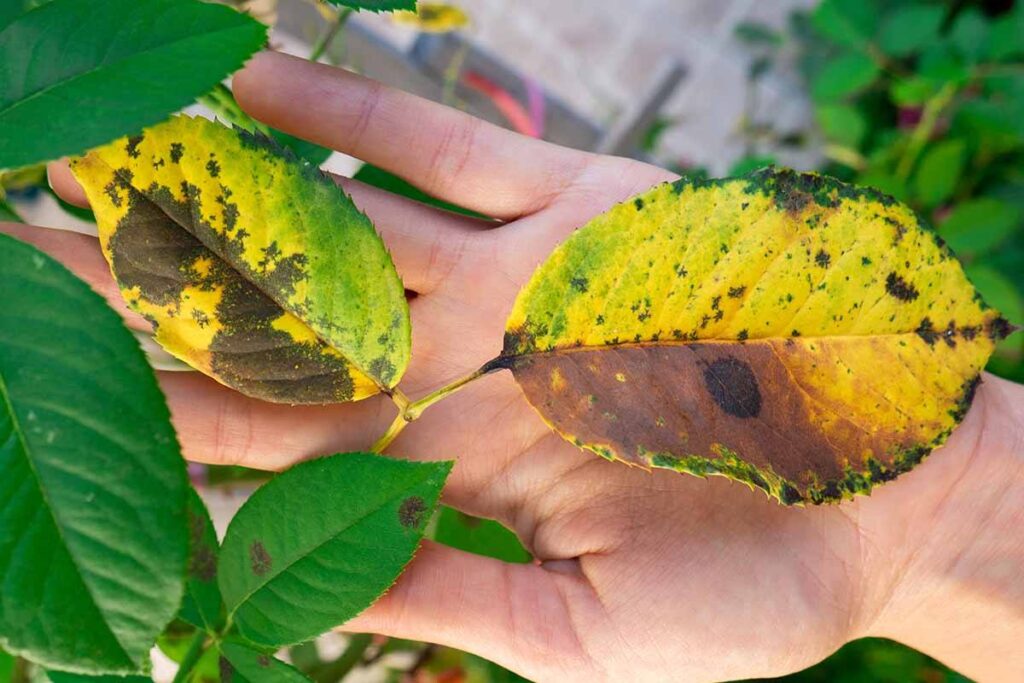
As a gardener or plant enthusiast, it’s essential to be aware of the various diseases that can affect your plants. The first signs of a disease often appear on the leaves, making regular monitoring crucial to prevent their spread. In this article, we’ll explore the common plant diseases, their symptoms, and provide tips on how to prevent and identify them.
Understanding Plant Diseases
Plant diseases can be caused by various factors, including fungal infections, bacterial infections, pests, and viral infections. It’s vital to recognize the signs of a disease early on to take corrective action before it spreads to other plants.
Fungal diseases are often caused by fungi that infect plant tissues through wounds or natural openings. Bacterial diseases, on the other hand, are typically spread through contaminated water, soil, or insect vectors. Pests like aphids and whiteflies can also transmit plant viruses.
How to Prevent Plant Diseases
Prevention is key when it comes to plant diseases. Here are some simple steps you can follow:
- Remove fallen leaves at the base of the plant
- Water your plants carefully, avoiding overwatering and underwatering
- Keep your garden clean by disposing of debris and waste regularly
- Use sterilized tools whenever possible
- Inspect your plants regularly for signs of disease
By following these preventative measures, you can significantly reduce the risk of plant diseases affecting your garden.
Common Plant Diseases: Symptoms and Treatment
Now that we’ve covered prevention, let’s dive into the common plant diseases, their symptoms, and treatment options.
1. Anthracnose
Anthracnose is a fungal disease characterized by dark spots on leaves and stems. It primarily affects legumes, such as beans and peas, but can also infect other plants like almonds and cherry trees.
Symptoms:
Dark spots or lesions on leaves and stems
Blackened or yellowed areas around the affected area
Treatment:
Cut off infected areas with pruning shears
Apply fungicides to prevent further infection
Use copper-based products to control fungal growth
Anthracnose can be prevented by maintaining good garden hygiene, removing weeds, and avoiding overhead watering.
2. Bacterial Canker
Bacterial canker is a bacterial disease that affects trees, especially fruit trees and ornamental trees.
Symptoms:
Small lesions or cankers on twigs and branches
Yellowing or defoliation of leaves
Dieback of infected branches
Treatment:
Prune infected areas immediately
Apply bactericides to prevent further infection
Treat with copper-based products to control bacterial growth
Bacterial canker can be prevented by treating trees regularly, avoiding overwatering, and using copper-based fungicides.
3. Fitoftora
Fitoftora is a fungal disease that affects conifers and rhododendrons.
Symptoms:
Discoloration of leaves, often turning yellow or white
Defoliation of affected plants
Stem death in severe cases
Treatment:
Remove infected plants to prevent further infection
Use fungicides to control fungal growth
Treat with copper-based products to reduce fungal spores
Fitoftora can be prevented by maintaining good garden hygiene, removing weeds, and avoiding overhead watering.
4. Fumagilline
Fumagilline is a fungus that causes black spots on leaves and stems.
Symptoms:
Black or dark brown spots on leaves and stems
Presence of white, cottony patches (sooty mold)
Treatment:
Remove infected areas with pruning shears
Apply fungicides to prevent further infection
Use soap-based products to control fungal growth
Fumagilline can be prevented by treating plants regularly, avoiding overwatering, and using copper-based fungicides.
5. Maculatura Bruna
Maculatura bruna is a bacterial disease that affects roses.
Symptoms:
Brown or black spots on leaves, often turning yellow or dying
Presence of yellowing or defoliation of affected areas
Treatment:
Remove infected areas with pruning shears
Apply bactericides to prevent further infection
Treat with copper-based products to reduce bacterial growth
Maculatura bruna can be prevented by treating roses regularly, avoiding overwatering, and using copper-based fungicides.
6. Marciume
Marciume is a fungal disease that affects trees, especially in moist environments.
Symptoms:
Presence of fungal growth on tree trunks and branches
Blackened or discolored areas around the affected area
Dieback of infected branches
Treatment:
Remove infected areas with pruning shears
Apply fungicides to control fungal growth
Treat with copper-based products to reduce fungal spores
Marciume can be prevented by treating trees regularly, avoiding overwatering, and using copper-based fungicides.
7. Muffa Grigia
Muffa grigia is a fungal disease that causes white, cottony patches on leaves.
Symptoms:
Presence of white, cottony patches (sooty mold) on leaves
Discoloration or defoliation of affected areas
Treatment:
Remove infected areas with pruning shears
Apply fungicides to prevent further infection
Use soap-based products to control fungal growth
Muffa grigia can be prevented by treating plants regularly, avoiding overwatering, and using copper-based fungicides.
8. Nectria
Nectria is a fungal disease that affects trees, especially in moist environments.
Symptoms:
Presence of red or orange spots on leaves and stems
Presence of white, cottony patches (sooty mold)
Treatment:
Remove infected areas with pruning shears
Apply fungicides to control fungal growth
Treat with copper-based products to reduce fungal spores
Nectria can be prevented by treating trees regularly, avoiding overwatering, and using copper-based fungicides.
By recognizing the symptoms of these common plant diseases, you can take prompt action to prevent their spread and protect your plants. Remember to always follow proper sanitation practices, use sterilized tools, and apply fungicides or bactericides as needed.
References:
- National Gardening Association
- USDA Plant Database
- Garden.org


