
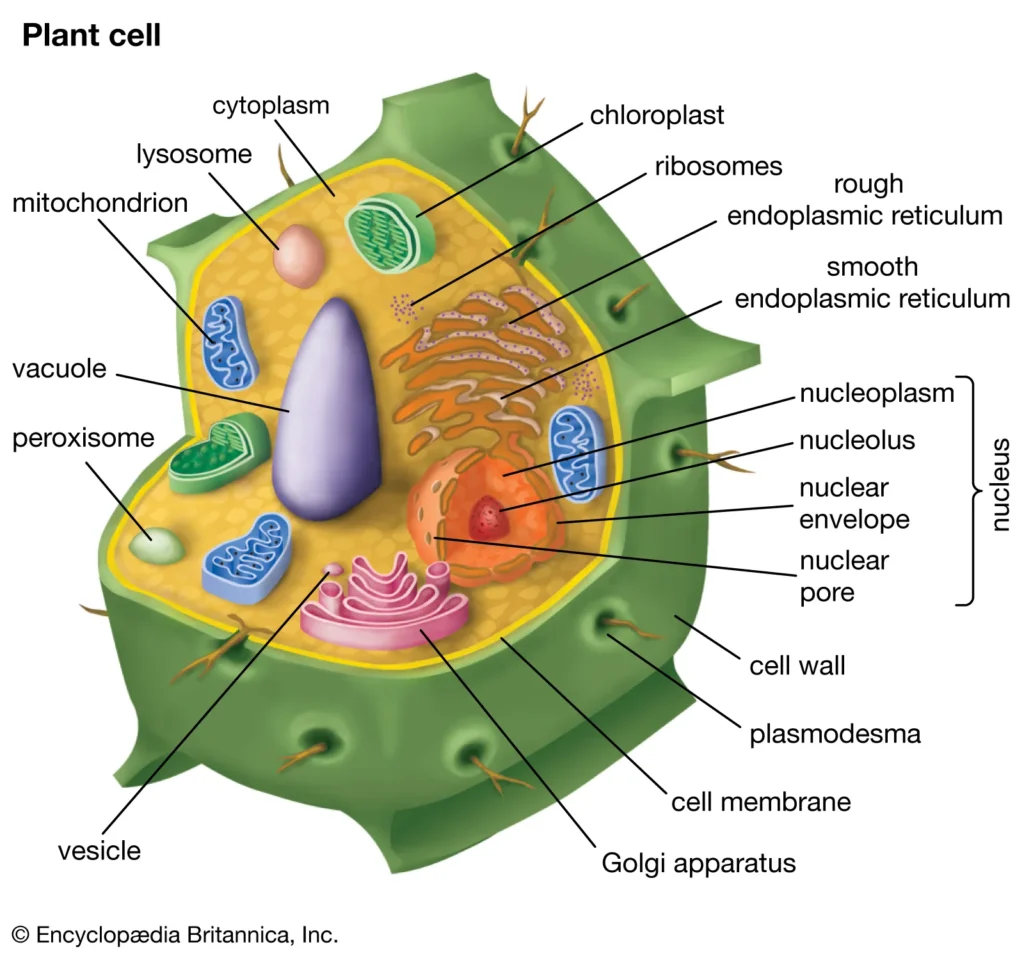
In this comprehensive article, we will delve into the intricate composition, formation, and functions of plant cell walls. We’ll explore the three main components of the cell wall: lamella mediana, parete primaria, and parete secondaria. Additionally, we’ll discuss the role of cellulose, pectin, and other substances in forming these structures.
Introduction to Plant Cell Walls
Plant cell walls are one of the most fascinating aspects of plant biology. These rigid structures provide support, protection, and shape to plant cells, allowing them to grow and thrive in a wide range of environments. Understanding the composition, formation, and functions of plant cell walls is essential for appreciating the complexity and diversity of plant life.
Composition of Plant Cell Walls
A plant cell wall is composed of three primary layers:
- Lamella Mediana: The most outer layer, which connects two adjacent cells. It’s primarily made up of pectin, with small amounts of cellulose and lignin.
- Parete Primaria: A middle layer composed of emicellulose, pectin, cellulose, and 1-8% protein structural components.
- Parete Secondaria: The outermost layer, primarily made up of cellulose and sometimes lignin, suberine (the case with cork), or cere.
When the parete secondaria is present, the lamella mediana tends to shrink or disappear altogether.
Formation of Plant Cell Walls
The formation of plant cell walls involves a complex series of biochemical reactions and cellular processes. The process can be divided into three stages:
- Prophase: During this stage, the cell wall begins to form at the cleavage plane, where the lamella mediana will eventually connect two adjacent cells.
- Metaphase: In this stage, the cell wall continues to grow and differentiate, with the addition of new components such as cellulose and pectin.
- Anaphase: During the final stage of cell wall formation, the lamella mediana becomes fully established, connecting two adjacent cells.
Functions of Plant Cell Walls
Plant cell walls perform several vital functions:
- Containment: Maintains cellular shape through turgor pressure.
- Mechanical Strength: Provides resistance against mechanical forces and protects cells from pathogens.
- Structural Support: Offers structural support to plant tissues and organs.
Cellulose: Composition and Synthesis
Cellulose is a complex polymer composed of beta-D-glucosio molecules linked by glycosidic bonds. This structure forms long, thin filaments that associate with each other to form fibrils, which then combine to create microfibrils, macrofibrils, and finally, cellulose fibers.
The ordered structure of cellulose is maintained by the presence of microtubules during its synthesis, which act as a scaffold for the complex enzymatic process. The cellulose synthase enzyme works within the cell membrane, “catching” substrates in the cytosol and polymerizing them into the long chains that eventually form the plant cell wall.
Pectin: Composition and Role
Pectin is a type of polysaccharide composed of galacturonic acid molecules. It’s highly branched and closely associated with cellulose, forming a complex network. Unlike cellulose, pectin is digested by animal digestive systems.
In plant cells, pectin plays a crucial role in maintaining cell wall structure and providing mechanical strength. It acts as an intermediate between the rigid cellulose fibers and the more flexible hemicelluloses (the emicelluloses).
Lignin: Composition and Functions
Lignin is a complex polymer composed of phenylpropane molecules with aromatic rings heavily substituted by various functional groups. Its structure is distinct from both cellulose and pectin, making it difficult to describe using simple molecular structures.
Lignin plays a crucial role in the secondary cell wall, providing additional mechanical strength and rigidity. It’s also involved in the binding of other substances, such as suberin (found in cork) or cereals (found in seed coats).
Role of Plant Cell Walls in Plant Development
Plant cell walls play a vital role in plant development and growth. They provide structural support, maintain cellular shape, and protect cells from environmental stresses.
The cell wall also influences plant growth patterns by regulating the flow of nutrients and water into the plant. For example, the rate at which cellulose is synthesized can affect the size and shape of plant organs.
Frequently Asked Questions
- What is the main function of the lamella mediana in plant cell walls?
- The lamella mediana connects two adjacent cells and helps maintain cell shape through turgor pressure.
- What is the role of cellulose in plant cell wall composition?
- Cellulose provides mechanical strength, rigidity, and structural support to plant tissues and organs.
- How does lignin influence plant cell wall structure?
- Lignin adds additional mechanical strength and rigidity to secondary cell walls and helps bind other substances.
- What is the significance of pectin in plant cell walls?
- Pectin provides mechanical strength, acts as an intermediate between cellulose fibers and hemicelluloses, and plays a role in binding other substances.
The cell wall is a complex and highly regulated structure that plays a vital role in plant growth, development, and survival. Understanding its composition, formation, and functions provides valuable insights into plant biology and has numerous applications in agriculture, biotechnology, and materials science.
In conclusion, the plant cell wall is an intricate and fascinating structure that deserves further study and appreciation. By exploring its composition, formation, and functions, we can gain a deeper understanding of the complex processes that govern plant life and develop new technologies to improve crop yields, disease resistance, and overall plant health.


