
Are you looking for a quick fix to lose weight? Look no further than the diet Plank. This extremely low-calorie, high-protein diet promises rapid weight loss and maintenance of weight loss over time. But is it reliable?
In this article, we’ll explore the Diet Plank in detail, including its history, potential consequences, and why it’s not a sustainable solution for achieving and maintaining weight loss.
What is the Diet Plank?
The diet Plank is an extreme weight loss plan that consists of a very low-calorie intake (only 800 calories per day), high protein content from animal sources like eggs, meat, and fish, and excludes certain food groups such as grains, legumes, nuts, fruits, vegetables, and healthy fats. It’s also very restrictive, with only three meals on fourteen days of the week allowed, and no portion control.
The diet Plank is not a balanced or sustainable eating plan. It’s designed to induce rapid weight loss, but it can lead to nutrient deficiencies, disordered eating habits, and negative impacts on mental health.
Does it Change Your Metabolism?
Absolutely! But not in a good way. Restrictive diets like Plank can slow down your metabolism, making it harder to maintain weight loss over time. When you drastically cut calories, your body goes into “starvation mode,” where it starts to conserve energy by reducing its metabolic rate.
In addition, the diet Plank can lead to a range of negative physiological effects, including:
- Reduced muscle mass and strength
- Slowed digestion and absorption of nutrients
- Increased levels of ghrelin, a hormone that stimulates hunger and cravings for unhealthy foods
- Decreased insulin sensitivity, increasing the risk of developing type 2 diabetes
The History of the Diet Plank
Unfortunately, there’s no scientific evidence to support the effectiveness of the diet Plank. Its origins are unknown, and its creators have not been identified. This lack of evidence raises questions about its safety and efficacy.
It’s also worth noting that the diet Plank is not a new concept. Similar restrictive diets have been around for decades, promising rapid weight loss but ultimately failing to deliver long-term results.
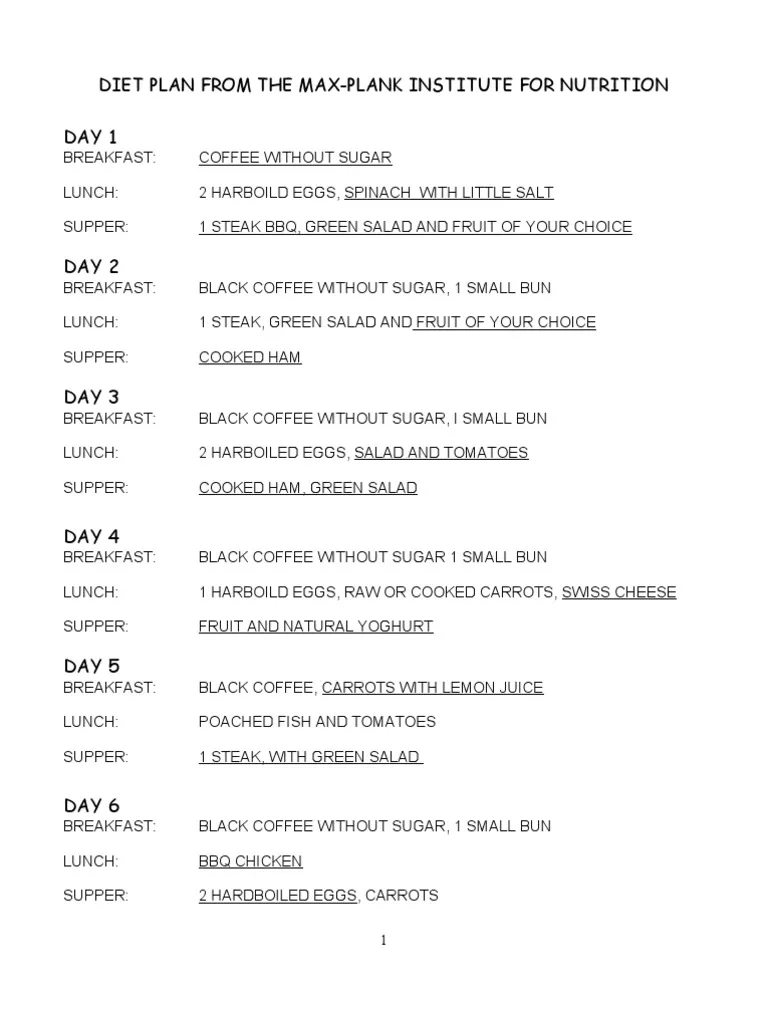
What is a Typical Week on the Diet Plank?
The diet Plank follows a very rigid meal plan that repeats every week, with no flexibility or adjustments for individual needs. The meal plan is available online, but it’s essentially a bare-bones list of foods to eat and drink, with no guidance on portion sizes or nutritional balance.
A typical day on the Diet Plank might look like this:
- Monday: 800 calories, high protein intake from eggs, meat, and fish
- Tuesday: 800 calories, high protein intake from eggs, meat, and fish
- Wednesday: 800 calories, high protein intake from eggs, meat, and fish
- Thursday: 800 calories, high protein intake from eggs, meat, and fish
- Friday: 800 calories, high protein intake from eggs, meat, and fish
- Saturday: 800 calories, high protein intake from eggs, meat, and fish
- Sunday: 800 calories, high protein intake from eggs, meat, and fish
As you can see, the diet Plank is extremely restrictive and lacks variety. This lack of variety can lead to nutrient deficiencies and disordered eating habits.
Why the Diet Plank Fails
The diet Plank shares similarities with other fad diets that promise quick weight loss but ultimately fail to deliver long-term results. The restrictive nature of this diet can lead to:
- Nutrient deficiencies: The diet Plank excludes a wide range of food groups, leading to inadequate intake of essential nutrients.
- Disordered eating habits: Restrictive eating plans like Plank can lead to disordered eating habits, such as bingeing and purging.
- Negative impacts on mental health: The diet Plank’s restrictive nature can lead to anxiety, depression, and other negative impacts on mental health.
The Consequences of the Diet Plank
Following a restrictive diet like Plank can have serious consequences for your overall health. It’s not recommended for:
- Children and adolescents
- Pregnant women
- Athletes or individuals who engage in regular physical activity
- People with certain medical conditions, such as kidney disease, liver disease, heart disease, pancreatitis, or gout
- Individuals with a history of eating disorders
Conclusion
While the diet Plank may promise rapid weight loss, it’s not a reliable or sustainable solution for achieving and maintaining weight loss. Instead, focus on developing healthy eating habits and regular physical activity to achieve your weight loss goals.
Frequently Asked Questions (FAQs)
- Is the diet Plank safe?
No, the diet Plank is not recommended due to its restrictive nature and potential health risks. - How can I maintain weight loss on this diet?
Unfortunately, there’s no evidence to support the maintenance of weight loss on the diet Plank. - Can I modify the meal plan to suit my individual needs?
No, the diet Plank follows a very rigid meal plan with no flexibility or adjustments for individual needs. - Will following this diet lead to nutrient deficiencies?
Yes, the restrictive nature of the diet Plank can lead to nutrient deficiencies if not balanced properly. - Can I still lose weight on this diet?
While you may lose weight initially, the diet Plank is unlikely to lead to sustainable weight loss over time. - Is it worth trying the diet Plank?
No, we recommend exploring other, more balanced and evidence-based approaches to weight loss. - What are the potential negative impacts on mental health?
The restrictive nature of this diet can lead to disordered eating habits and negative impacts on mental health, such as anxiety and depression. - Can I still follow a healthy diet if I choose not to do the Plank diet?
Absolutely! Focus on developing balanced eating habits and regular physical activity to achieve your weight loss goals.
Alternatives to the Diet Plank
If you’re looking for a weight loss plan, consider these alternatives:
- The Mediterranean Diet: A balanced eating plan that emphasizes whole grains, fruits, vegetables, lean protein sources, and healthy fats.
- The DASH Diet: A diet that focuses on whole grains, fruits, vegetables, lean protein sources, and low-fat dairy products.
- Intensive Exercise-Based Weight Loss Programs: Programs that combine regular physical activity with a balanced eating plan.
Remember, the key to successful weight loss is finding a sustainable and enjoyable approach that incorporates healthy habits and a balanced diet.


