
When it comes to baking, having the right tools can make all the difference. Two popular options are planetary mixers and robot kitchen appliances. But which one is best for you? In this article, we’ll explore the differences between these two appliances, their features, and benefits, to help you make an informed decision.
Understanding Planetary Mixers
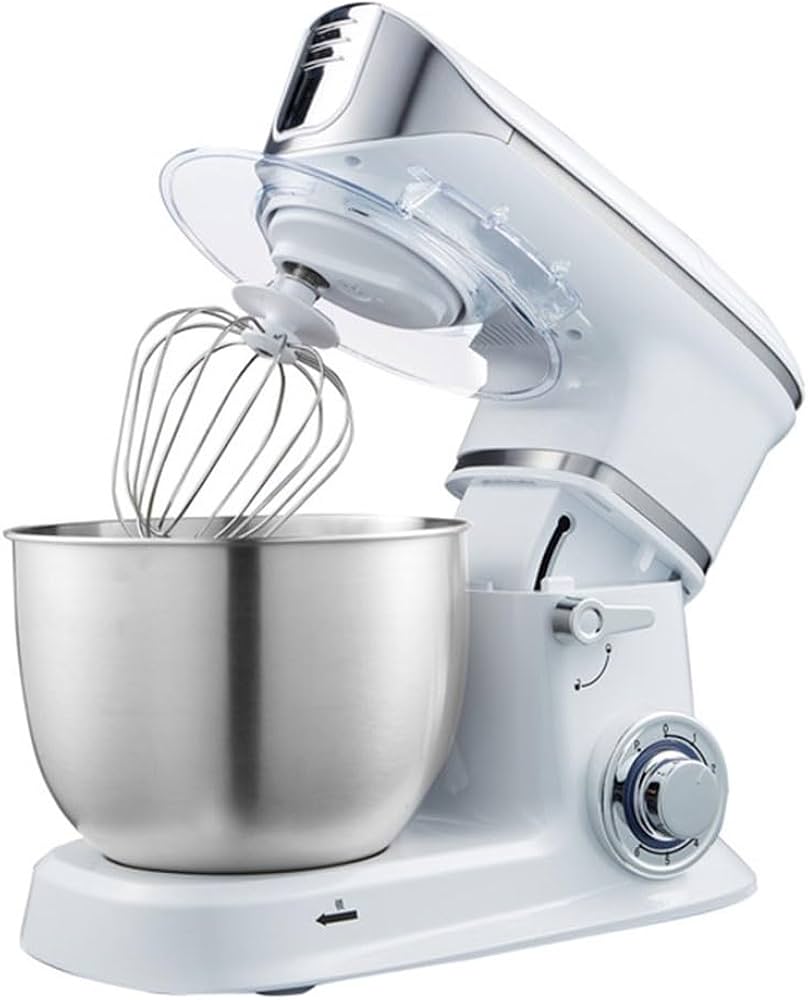
A planetary mixer is a type of stand mixer that uses a rotating motion to mix ingredients. It’s designed specifically for mixing dough and batter, and is ideal for professional bakers and serious home bakers. A planetary mixer typically features:
- A powerful motor: This ensures that the mixer can handle thick doughs with ease.
- Multiple speed settings: Providing precise control over the mixing process allows for optimal results.
- A large mixing bowl: Accommodating big batches of ingredients is a must-have for serious bakers.
- Attachments like dough hooks and wire whips: These attachments are specifically designed to tackle tasks such as kneading, whipping cream, or folding eggs into batter.
Understanding Robot Kitchen Appliances
Robot kitchen appliances, on the other hand, are multi-functional devices that can perform a variety of tasks, including mixing, kneading, proofing, baking, and more. They’re designed to be versatile and convenient, making them perfect for busy home cooks. A robot kitchen appliance typically features:
- Multiple functions: These include mixing, kneading, and baking, among others.
- Touchscreen interface: This makes it easy to operate the device with minimal effort.
- Large capacity bowls and trays: Allowing you to mix and bake in bulk is a significant advantage.
- Advanced sensors and algorithms: Ensuring precise temperature control and optimal results.
Key Differences
So, what sets planetary mixers apart from robot kitchen appliances? Here are some key differences:
- Specialization: Planetary mixers are designed specifically for mixing dough and batter, while robot kitchen appliances can perform a variety of tasks.
- Power: Planetary mixers typically have more powerful motors than robot kitchen appliances, making them better suited for thick doughs and heavy mixing tasks.
- Attachments: Planetary mixers usually come with attachments like dough hooks and wire whips, while robot kitchen appliances often require additional accessories to perform specific tasks.
Choosing the Right Tool
So, which tool is right for you? Here are some factors to consider:
- Baking frequency: If you bake frequently, a planetary mixer might be the better choice. However, if you’re a casual baker or prefer to use a multi-functional appliance, a robot kitchen appliance could be the way to go.
- Budget: Planetary mixers can range from affordable to very expensive, while robot kitchen appliances tend to be pricier due to their advanced features and capabilities.
- Space: If you have limited counter space, a planetary mixer might be more convenient. However, if you’re willing to invest in a larger appliance, a robot kitchen appliance could provide more versatility.
The Benefits of Each Tool
To help you make an informed decision, here are some benefits of each tool:
- Planetary Mixers:
- Ideal for professional bakers and serious home bakers
- Powerful motors handle thick doughs with ease
- Attachments like dough hooks and wire whips provide versatility
- Affordable to moderate price point
- Robot Kitchen Appliances:
- Multi-functional devices offer convenience and flexibility
- Advanced features like touchscreen interfaces and sensors ensure precise results
- Large capacity bowls and trays accommodate big batches of ingredients
- Can be a significant investment due to advanced capabilities
The Cost Considerations
When choosing between a planetary mixer and a robot kitchen appliance, cost is an important factor. Here are some general price ranges for each type of tool:
- Planetary Mixers:
- Basic models: $100-$300
- Mid-range models: $300-$600
- High-end models: $600-$1,000+
- Robot Kitchen Appliances:
- Entry-level models: $500-$800
- Mid-range models: $800-$1,200
- High-end models: $1,200-$2,500+
Tips for Choosing the Right Tool
To make an informed decision, consider the following tips:
- Assess your baking needs: If you bake frequently or produce large batches of dough and batter, a planetary mixer might be the better choice.
- Consider your budget: Planetary mixers can range from affordable to very expensive, while robot kitchen appliances tend to be pricier due to advanced features and capabilities.
- Evaluate space constraints: If you have limited counter space, a planetary mixer might be more convenient. However, if you’re willing to invest in a larger appliance, a robot kitchen appliance could provide more versatility.
Conclusion
Choosing between a planetary mixer and a robot kitchen appliance depends on your specific needs and preferences. Both tools offer unique benefits and features that can enhance your baking experience. By considering factors like baking frequency, budget, and space constraints, you can make an informed decision that suits your lifestyle and baking habits.
Frequently Asked Questions
- What is the difference between a planetary mixer and a robot kitchen appliance?
A planetary mixer is a specialized stand mixer designed specifically for mixing dough and batter, while a robot kitchen appliance is a multi-functional device that can perform various tasks. - Which tool is better for heavy mixing tasks?
Planetary mixers typically have more powerful motors than robot kitchen appliances, making them better suited for thick doughs and heavy mixing tasks. - Can I use a planetary mixer for baking cakes and bread?
Yes, planetary mixers can be used for baking cakes and bread, but they might require additional accessories like cake pans or bread baskets.


