
Pistachios are one of the most versatile nuts, used not only as a snack but also as an ingredient to characterize pasta dishes with their aroma and texture. They can add a unique flavor to desserts, creme, gelatos, and granitas.
Available in two forms: dried and shelled, or peeled and raw, pistachios are harvested after being free from the shell and then dried. Depending on their destination, they may be left whole, ground into flour, or further processed into paste or other products. For more information on how to cultivate pistachios, check out our article “How to Grow Pistachio Trees”.
When Not to Eat Pistachios
Pistachios are high in calories, making them unsuitable for those following low-calorie diets. As with all nuts, there is a risk of allergic reactions, and they are also not recommended for people with diabetes or hypertension.
The Health Benefits of Pistachios
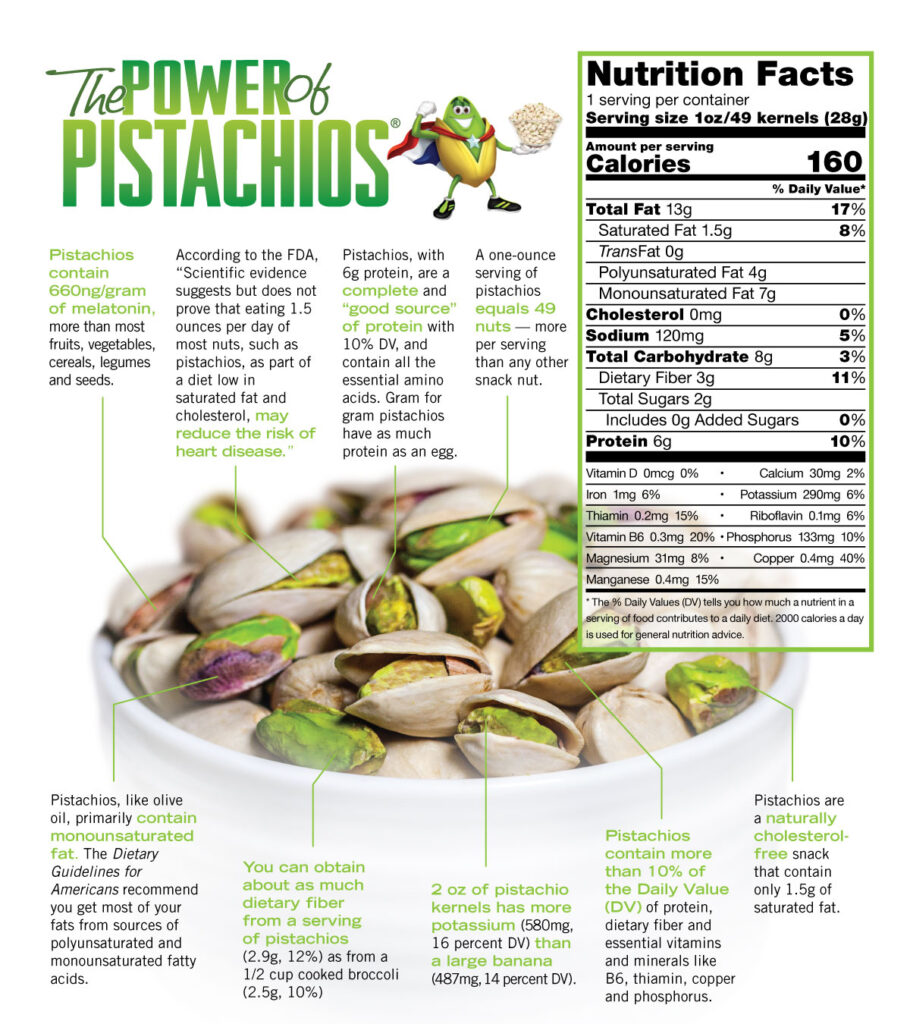
Thanks to its high content of vitamins and minerals, pistachios have several health benefits. They are an excellent source of protein-rich amino acids, which enhance the nutritional quality of the diet by providing a broader range of essential amino acids.
Although mostly composed of fats, pistachio fat is a monounsaturated form that may help lower cholesterol levels in the blood and improve cardiovascular health. A 2008 study conducted in the United States on three groups of volunteers explored the potential to reduce total cholesterol and LDL cholesterol levels by consuming pistachios regularly under medical supervision.
It is essential to note that individual initiatives to follow this diet without consulting a doctor can be counterproductive and may lead to more harm than benefits.
Nutritional Values of Pistachios
One hundred grams of pistachios contain approximately 600 kcal, with about 56% being fats, 27% carbohydrates, and 18% proteins. Pistachios are rich in vitamins A, B1, B2, B3, B6, C, and E, as well as minerals like potassium, phosphorus, magnesium, calcium, iron, and copper.
The information provided on this article is for informational purposes only and should not replace the advice of a doctor.
Understanding Pistachios: A Closer Look
Types of Pistachios
Pistachios can be bought dried and shelled or peeled and raw. The nuts are harvested from their shells, then dried to preserve them. Depending on their intended use, pistachios may be left whole, ground into flour, or further processed into paste or other products.
Allergies and Precautions
While generally safe to eat, pistachios can cause allergic reactions in some individuals. People with diabetes and hypertension should also limit their consumption due to the high calorie content of pistachios.
Nutritional Content
One hundred grams of pistachios provide approximately 600 kcal, consisting mainly of fats (56%), carbohydrates (27%), and proteins (18%). Pistachios are a rich source of various vitamins and minerals like vitamin A, B group, C, E, potassium, phosphorus, magnesium, calcium, iron, and copper.
History and Cultural Significance
Pistachios have been an integral part of many cuisines for centuries, prized not only for their unique flavor but also for their nutritional value. The nut has played a significant role in traditional dishes across various cultures, from desserts to savory meals.
Health Benefits
The health benefits of pistachios are attributed to its high content of vitamins and minerals. It is an excellent source of protein-rich amino acids that enhance the quality of the diet by providing essential amino acids. The monoinsaturated fats found in pistachios may help lower cholesterol levels, contributing positively to cardiovascular health.
Preparation Methods
Pistachios can be consumed whole, ground into flour for baking, or processed into various products like paste and oils. They are a versatile ingredient that adds flavor, texture, and nutrition to many dishes.
Conclusion
In conclusion, pistachios offer an exciting combination of versatility, nutritional value, and cultural significance. Rich in vitamins and minerals, they contribute significantly to the quality of our diets by providing essential amino acids. As with all foods, moderation is key, especially for those following low-calorie diets or dealing with certain health conditions.
Frequently Asked Questions
-
What are the best ways to consume pistachios?
Pistachios can be consumed whole, as a snack, added to salads, used in baking, or blended into smoothies and desserts. -
Are pistachios high in calories?
Yes, pistachios are relatively high in calories, containing approximately 600 kcal per 100 grams. -
Can pistachios help lower cholesterol levels?
The monounsaturated fats found in pistachios may contribute to lowering cholesterol levels and improving cardiovascular health. -
Are pistachios safe for everyone?
While generally safe, individuals with certain allergies or health conditions should limit their consumption of pistachios under medical supervision. -
What are the best sources of pistachio oil?
Pistachio oil can be extracted from roasted pistachios and used in cooking or as a dietary supplement. -
How to Store Pistachios?
Store pistachios in an airtight container, away from direct sunlight and heat sources, to maintain their freshness and flavor. -
Can Pistachios be Used for Skincare?
Yes, the antioxidants and vitamins present in pistachios may have benefits for skin health, making them suitable for skincare products or face masks. -
How Long Do Pistachios Last?
Whole pistachios can last up to six months when stored properly. Dried pistachios typically last longer than whole nuts due to their lower moisture content. -
Can I Make Pistachio Flour at Home?
Yes, you can make pistachio flour at home by blending dried and shelled pistachios in a food processor or blender until they reach the desired consistency. -
What are Some Popular Recipes Using Pistachios?
Some popular recipes using pistachios include pistachio ice cream, pistachio pudding, pistachio cake, pistachio cookies, and pistachio granola. -
Can I Use Pistachio Oil in Cooking?
Yes, pistachio oil can be used as a cooking oil due to its mild flavor and high smoke point, making it suitable for sautéing, roasting, or baking. -
How to Make Pistachio Butter at Home?
To make pistachio butter at home, you’ll need to roast the pistachios until fragrant and then blend them into a smooth paste using a food processor or blender.
These are just some of the many questions people have about pistachios, providing more information on their nutritional value, versatility, and cultural significance.


