
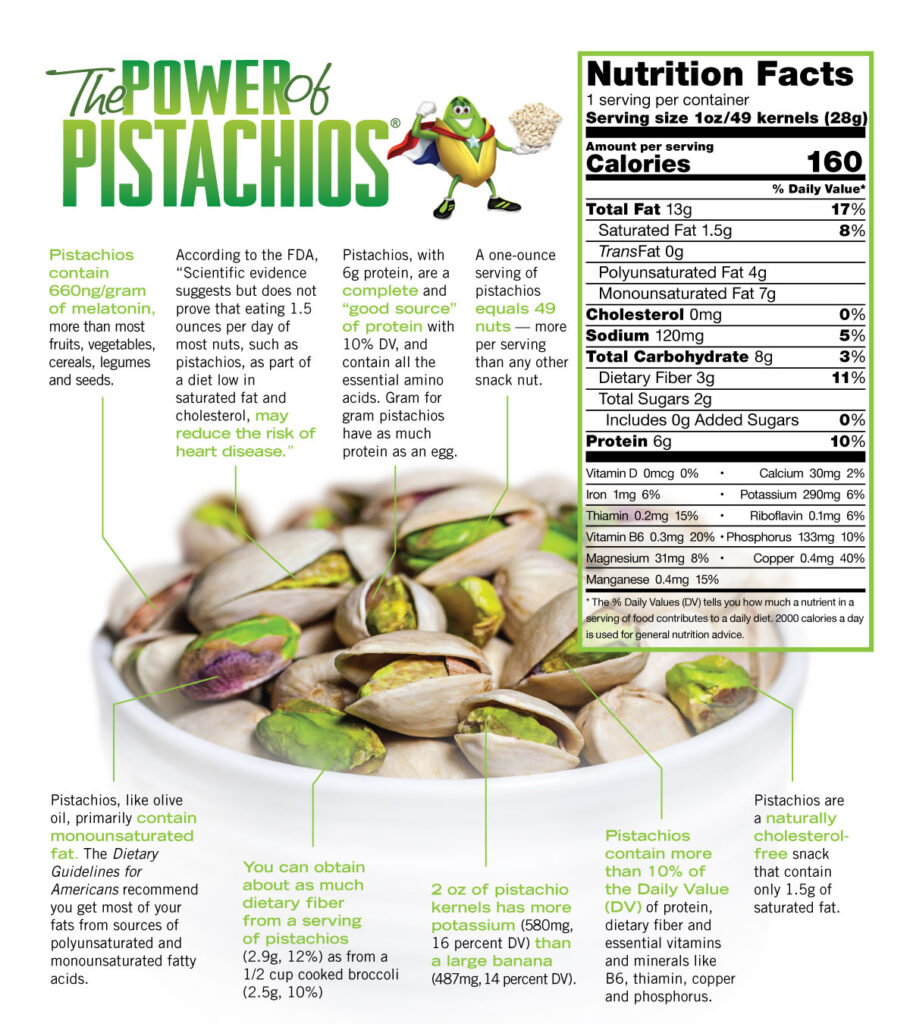
As we navigate the complexities of modern life, it’s easy to overlook the simple yet powerful foods that can have a significant impact on our health. One such food is the humble pistachio, often overlooked in favor of more flashy options. However, this nutty delight is packed with an impressive array of nutrients, making it an excellent addition to any diet.
In this article, we’ll delve into the world of pistachios, exploring their nutritional benefits, potential health advantages, and even provide guidance on how to incorporate them into your daily routine.
Pistachio Nutrition: A Closer Look
Before we dive into the benefits, let’s take a closer look at the nutritional profile of pistachios. With 100 grams of pistachios providing an astonishing 562 calories, it’s clear that they’re a significant source of energy. But what about other essential macronutrients?
According to the United States Department of Agriculture (USDA), one ounce of pistachios contains:
- Carbohydrates: 27.51 grams, with 7.66g being sugars and 10.3g being fiber
- Protein: 20.27 grams
- Fat: 45.39 grams, with 5.56g being saturated fat, 23.82g being monounsaturated fat, and 13.74g being polyunsaturated fat
In addition to these macronutrients, pistachios are also a rich source of micronutrients like vitamins and minerals.
The Nutritional Benefits of Pistachios
So, what makes pistachios such a nutritional powerhouse? Here are some potential health benefits to consider:
- Heart Health: The high levels of monounsaturated and polyunsaturated fats in pistachios can help lower LDL (bad) cholesterol and increase HDL (good) cholesterol.
- Weight Management: Pistachios are high in fiber, which can help you feel fuller for longer and support healthy weight management.
- Blood Pressure Control: Regular consumption of pistachios may help regulate blood pressure due to their potassium content.
- Cancer Prevention: The antioxidants present in pistachios have been shown to have anti-cancer properties.
Incorporating Pistachios into Your Diet
Now that we’ve explored the nutritional benefits and potential health advantages, it’s time to talk about how to incorporate pistachios into your daily routine. Here are some tips:
- Snacking: Enjoy pistachios as a healthy snack on their own or pair them with fruits or veggies for added nutrition.
- Cooking: Add pistachios to your favorite recipes, such as salads, stir-fries, and baked goods, for an extra boost of flavor and nutrients.
- Supplements: If you’re having trouble getting enough pistachios in your diet, consider adding a supplement to your routine.
Frequently Asked Questions
Here are some answers to common questions about pistachios:
- Can I eat too many pistachios?
- While pistachios can be a nutritious addition to your diet, overconsumption can lead to an excessive intake of calories and fat.
- Are pistachios high in sugar?
- Pistachios contain a moderate amount of natural sugars, but they are also rich in fiber, which can help regulate blood sugar levels.
- Can I grow my own pistachio tree?
- Yes, pistachio trees can be grown in certain regions with suitable climate and soil conditions.
Pistachio Nutrition: A Closer Look at the Nutrients
In addition to their impressive nutritional profile, pistachios also contain a range of nutrients that support overall health and well-being. Here are some key nutrients found in pistachios:
- Vitamin B6: Pistachios are an excellent source of vitamin B6, which plays a crucial role in many bodily functions, including energy metabolism and nerve function.
- Manganese: Pistachios are a good source of manganese, a mineral that’s essential for bone health and metabolism.
- Phosphorus: Pistachios contain phosphorus, an important mineral for maintaining healthy bones and teeth.
How to Incorporate Pistachios into Your Diet
Incorporating pistachios into your diet can be easy and delicious. Here are some ideas to get you started:
- Roasted Pistachios: Roasting pistachios brings out their natural sweetness and adds a rich, nutty flavor.
- Pistachio Oil: Use pistachio oil as a healthy alternative to other cooking oils.
- Pistachio Flour: Make your own pistachio flour by blending pistachios into a fine powder.
The Benefits of Pistachios for Skin and Hair
In addition to their impressive nutritional profile, pistachios also have several benefits for skin and hair health. Here are some ways that pistachios can support healthy skin and hair:
- Skin Moisturization: The antioxidants in pistachios help protect the skin from damage caused by free radicals.
- Hair Growth: Pistachio oil is rich in nutrients that promote hair growth and strength.
Foods That Go Well with Pistachios
Pistachios are a versatile food that can be paired with a wide range of ingredients to create delicious and healthy meals. Here are some foods that go well with pistachios:
- Fresh Fruits: Combine pistachios with fresh fruits like apples, bananas, or berries for a tasty and nutritious snack.
- Leafy Greens: Add pistachios to salads featuring leafy greens like spinach, kale, or arugula.
- Protein Sources: Pair pistachios with protein sources like chicken, fish, or tofu for a complete and satisfying meal.
Incorporating Pistachios into Your Lifestyle
Incorporating pistachios into your lifestyle can have numerous benefits for overall health and well-being. Here are some ways to get the most out of pistachios:
- Snacking: Make snacking with pistachios a regular part of your daily routine.
- Cooking: Experiment with new recipes that feature pistachios as a main ingredient.
- Supplements: Consider adding pistachio supplements to your diet for an extra boost of nutrients.
Conclusion
In conclusion, pistachios are a nutritious and versatile food that can have a significant impact on our health and well-being. By incorporating pistachios into your diet and understanding their nutritional benefits, you can unlock the power of this humble nut to support optimal health and happiness.


