
Growing pistachios can be a challenging but rewarding experience for gardeners. These versatile nuts can be used in various recipes throughout the year, or enjoyed on their own, typically toasted and seasoned. While it’s natural to consider growing your own pistachios, it’s essential to approach this endeavor with caution.
Understanding Pistachio Trees
Pistachio trees (Pistacia vera) belong to the Anacardiaceae family and are closely related to almonds, mangoes, and sumacs, as well as elder and oak trees. Native to the western Asia and Mediterranean regions, these trees thrive in temperate climates with mild winters and warm summers.
History of Pistachio Cultivation
Pistachios have been cultivated for over 4,000 years, with records of their cultivation dating back to ancient civilizations such as the Egyptians, Greeks, and Romans. In the Middle Ages, pistachio trees were introduced to Italy by Arab traders, where they became a staple crop in many regions.
Pollination and Cultivation
Pistachio trees are dioecious, meaning they produce either male or female flowers. To ensure pollination, a combination of both male and female trees is necessary. Planting an equal number of male and female trees, spaced 10-15 feet apart, can maximize the chances of successful pollination.
It’s essential to note that pistachio trees have a long juvenile stage, typically taking 5 years to produce significant amounts of nuts. It may take up to 10-12 years for the tree to reach its full production potential. Additionally, pistachios are often cultivated biennially, resulting in abundant fruit one year and sparse nut production the following year.
Soil Requirements
Pistachio trees have a deep root system that allows them to access water from below, making them more resilient to droughts. They can tolerate high salt levels and prefer well-draining soil with a pH near neutral (around 7).
While pistachios thrive in dry conditions, they perform better in areas with fertile soil and adequate moisture. A slightly acidic to neutral soil pH is ideal for optimal growth.
Key Nutrients and Fertilization
Pistachio trees require several essential nutrients to grow healthy and produce well:
- Nitrogen (N): Promotes leaf growth and development
- Phosphorus (P): Supports root development and fruit production
- Potassium (K): Helps with overall plant health and resistance to disease
- Calcium (Ca): Crucial for cell wall development and root strength
Fertilization should be done annually, taking into account the tree’s specific needs based on its age, growth stage, and soil conditions. It’s recommended to use a balanced fertilizer that contains equal parts nitrogen, phosphorus, and potassium.
Pruning and Training
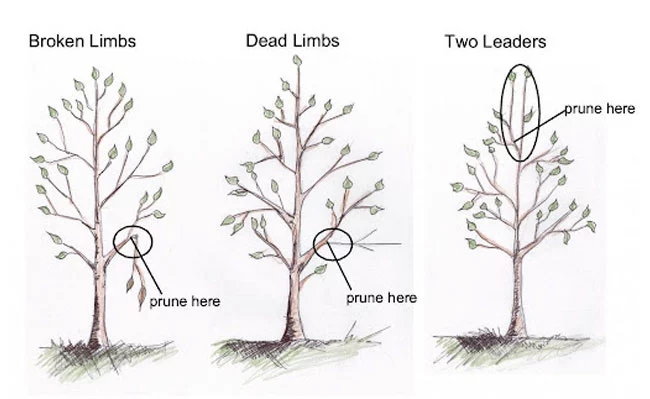
Proper pruning and training are essential for maintaining healthy pistachio trees:
- Prune annually to promote air circulation, reduce disease risk, and encourage fruiting
- Remove any dead or damaged branches, as well as any shoots that grow from the base of the tree
- Thin out the canopy to allow sunlight to reach the inner branches
Training involves shaping the tree’s structure to optimize growth and fruit production. This can be achieved by:
- Removing lower branches to promote upright growth
- Using a central leader system to direct the tree’s energy towards producing fruit
- Pruning to maintain a balanced canopy and ensure good air circulation
Climate Considerations
Growing pistachio trees poses significant challenges due to their specific climate requirements. These trees demand:
- Hot summers (above 600 hours at temperatures above 30°C)
- Cold winters (above 1000 hours below 7°C)
Only regions with these conditions can provide the necessary environment for pistachios to thrive. In Italy, Sicily and southern regions are suitable areas.
While it’s possible to grow pistachios in other latitudes, they tend to produce more nuts in arid semi-desert climates with long hot summers and low humidity. During their growth phase, pistachios prefer temperatures around 37°C (95°F).
Keep in mind that high humidity during the growing season can lead to fungal diseases, which can persist into the following year.
Regional Growing Considerations
Different regions have varying conditions that may affect pistachio cultivation:
- Mediterranean region: This is one of the most suitable regions for growing pistachios. The warm summers and mild winters create ideal conditions for tree growth.
- Sicily, Italy: As mentioned earlier, Sicily is a prime location for cultivating pistachios due to its arid climate and low humidity.
- Southern California, USA: Pistachio trees can thrive in Southern California’s dry climate. However, they may require supplemental irrigation during periods of drought.
Pest and Disease Management
Growing pistachio trees comes with the risk of pests and diseases:
- Pests: aphids, spider mites, and scale insects are common pests that can damage pistachio trees
- Diseases: fungal infections such as powdery mildew and brown rot can affect pistachio trees
Proper pest and disease management involves using integrated pest management techniques, including physical removal of infested areas, biological control methods, and chemical controls.
Conclusion
Growing pistachio trees requires careful consideration of climate, soil, and pollination needs. While it’s possible to cultivate these trees, it’s essential to assess whether your location meets their specific requirements.
Consulting with local experts or conducting further research is crucial before deciding to grow your own pistachio tree. With proper care and attention, growing pistachios can be a rewarding experience that provides you with delicious and nutritious nuts for years to come.


