
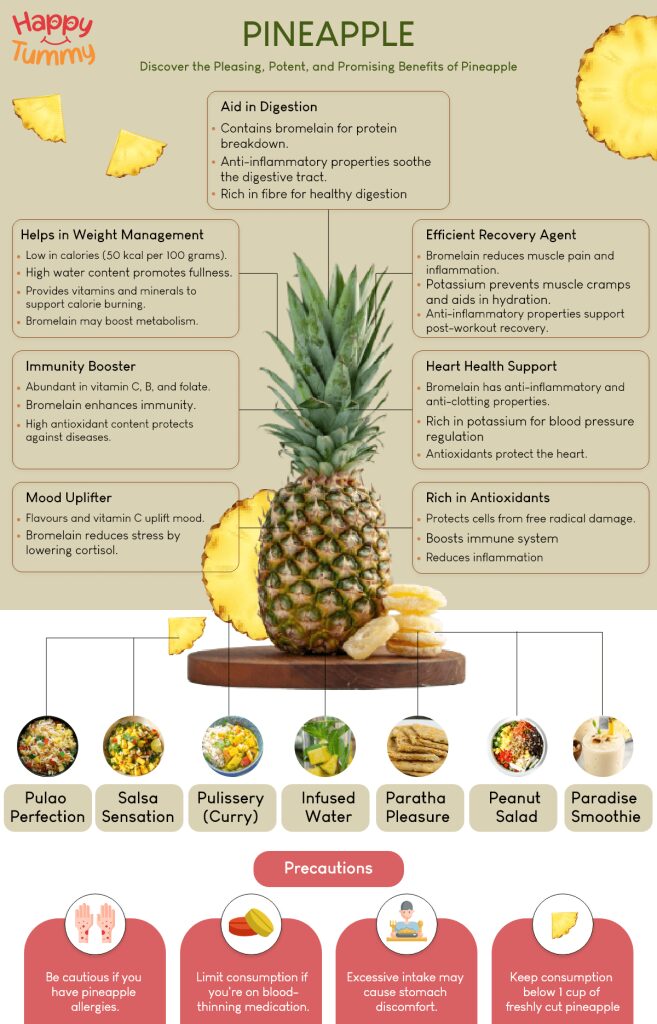
Unlocking the Health Benefits of Pineapple: 15 Surprising Ways to Boost Your Wellbeing
Pineapple is often regarded as a tropical fruit with numerous health benefits. From its high water content and fiber to its rich antioxidant properties, pineapple is an excellent addition to a balanced diet. In this article, we will delve into the world of pineapple and explore 15 surprising ways it can boost your wellbeing.
Why Pineapple Offers Numerous Health Benefits
Pineapple is renowned for its exceptional nutritional profile, comprising vitamins C and B6, manganese, and other essential minerals. It also contains an enzyme called bromelain, which has been shown to have anti-inflammatory properties. The high water content and fiber in pineapple make it a low-calorie food option, ideal for those following a healthy diet.
The Power of Bromelain
Bromelain is the key player behind many of pineapple’s health benefits. This enzyme acts as an anticoagulant, reducing inflammation and improving digestion. It also has anti-cancer properties, with studies suggesting that bromelain can prevent the formation of cancer cells. Furthermore, bromelain helps to reduce bloating and improves gut health.
The Science Behind Bromelain’s Health Benefits
Bromelain is a mixture of proteolytic enzymes found in pineapple. It works by breaking down proteins into smaller peptides and amino acids, which can then be easily absorbed by the body. This process has several health benefits, including:
- Reducing inflammation: Bromelain’s anti-inflammatory properties can help alleviate symptoms of arthritis, gout, and other inflammatory conditions.
- Improving digestion: By breaking down proteins and improving gut health, bromelain can help alleviate digestive issues such as bloating and constipation.
- Preventing cancer: Studies have shown that bromelain can prevent the formation of cancer cells by inhibiting the growth of abnormal cells.
15 Surprising Health Benefits of Pineapple
Here are 15 surprising ways pineapple can boost your wellbeing:
- Digestive Aid: Bromelain helps to break down proteins and improve digestion.
- Anti-Inflammatory Properties: Bromelain reduces inflammation, alleviating symptoms of arthritis and other conditions.
- Diuretic Effect: Pineapple’s high water content and fiber help to flush out toxins and reduce bloating.
- Antioxidant Properties: Pineapple is rich in antioxidants, which protect cells from damage caused by free radicals.
- Anti-Cancer Properties: Bromelain has been shown to prevent the formation of cancer cells.
- Blood Thinner: Bromelain acts as an anticoagulant, reducing the risk of blood clots and strokes.
- Antibacterial Properties: Pineapple’s high acidity makes it effective against bacteria, making it a great natural remedy for infections.
- Respiratory Aid: Pineapple’s anti-inflammatory properties help to alleviate respiratory issues such as bronchitis and asthma.
- Skin Health: The antioxidants in pineapple improve skin elasticity, reducing the appearance of wrinkles and fine lines.
- Hair Growth: Bromelain stimulates hair growth by improving blood circulation to the scalp.
- Immune System Boost: Pineapple’s high vitamin C content enhances immune function, reducing the risk of illness.
- Fibrosis Prevention: Bromelain helps to reduce fibrosis, a condition characterized by the buildup of excess connective tissue.
- Muscle Relaxant: Pineapple’s anti-inflammatory properties help to alleviate muscle tension and pain.
- Respiratory Health: The enzymes in pineapple help to break down mucus, alleviating respiratory issues such as bronchitis and asthma.
- Antiviral Properties: Bromelain has been shown to inhibit the replication of viruses, reducing the severity of viral infections.
Nutritional Profile of Pineapple
A 100-gram serving of pineapple contains:
- Vitamin C: 17 mg
- Niacin: 0.2 mg
- Thiamine: 0.05 mg
- Riboflavin: 0.01 mg
- Folate: 25 mcg
- Potassium: 250 mg
- Calcium: 17 mg
- Phosphorus: 8 mg
- Iron: 0.5 mg
Choosing the Right Pineapple
When selecting a pineapple, look for one with a yellowish-brown skin and a sweet aroma. Avoid pineapples with green or brown skin, as they may not be ripe.
Tips for Consuming Pineapple
- Eat pineapple raw to retain its medicinal properties.
- Consume pineapple in moderation, as excessive consumption can lead to stomach upset.
- Drink pineapple juice in small amounts, as it can cause digestive issues.
- Use fresh pineapple as a natural remedy for colds and flu by applying the flesh directly to the affected area.
Growing Your Own Pineapple Plant
If you’re interested in growing your own pineapple plant at home, here are some tips:
- Choose a fresh pineapple top from a ripe pineapple fruit.
- Soak the top in water for 24-48 hours before planting it in well-draining soil.
- Place the pineapple top in a warm, sunny location with temperatures between 75°F and 85°F (24°C to 30°C).
- Water the plant regularly, but make sure the soil is not too wet or dry.
Conclusion
Pineapple is an incredibly nutritious fruit that offers numerous health benefits. From its anti-inflammatory properties to its antioxidant content, pineapple is an excellent addition to a balanced diet. By incorporating pineapple into your daily routine, you can experience improved digestion, reduced inflammation, and enhanced overall wellbeing.
FAQs
- Q: Can I cook pineapple to retain its medicinal properties?
A: No, cooking pineapple destroys most of its enzymes and reduces its health benefits. - Q: How much pineapple should I consume daily for optimal health benefits?
A: Consume 100-200 grams of pineapple per day for optimal health benefits. - Q: Can pineapple be used as a natural remedy for colds and flu?
A: Yes, pineapple’s high vitamin C content can help boost the immune system and alleviate symptoms of colds and flu. - Q: Is pineapple suitable for people with digestive issues?
A: Pineapple can cause stomach upset in some individuals, so it’s best to consume it in moderation or cooked. - Q: Can I grow my own pineapple plant at home?
A: Yes, you can grow a pineapple plant from a fresh pineapple top or purchase one from a nursery. - Q: How long does pineapple take to digest?
A: Pineapple takes approximately 4-6 hours to digest in the body. - Q: Can pineapple be used as a natural remedy for arthritis?
A: Yes, pineapple’s anti-inflammatory properties can help alleviate symptoms of arthritis. - Q: Is pineapple safe for people with allergies?
A: While rare, some individuals may experience allergic reactions to pineapple; consult a healthcare professional if you have concerns.
By incorporating pineapple into your daily routine and understanding its numerous health benefits, you can experience improved digestion, reduced inflammation, and enhanced overall wellbeing.


