
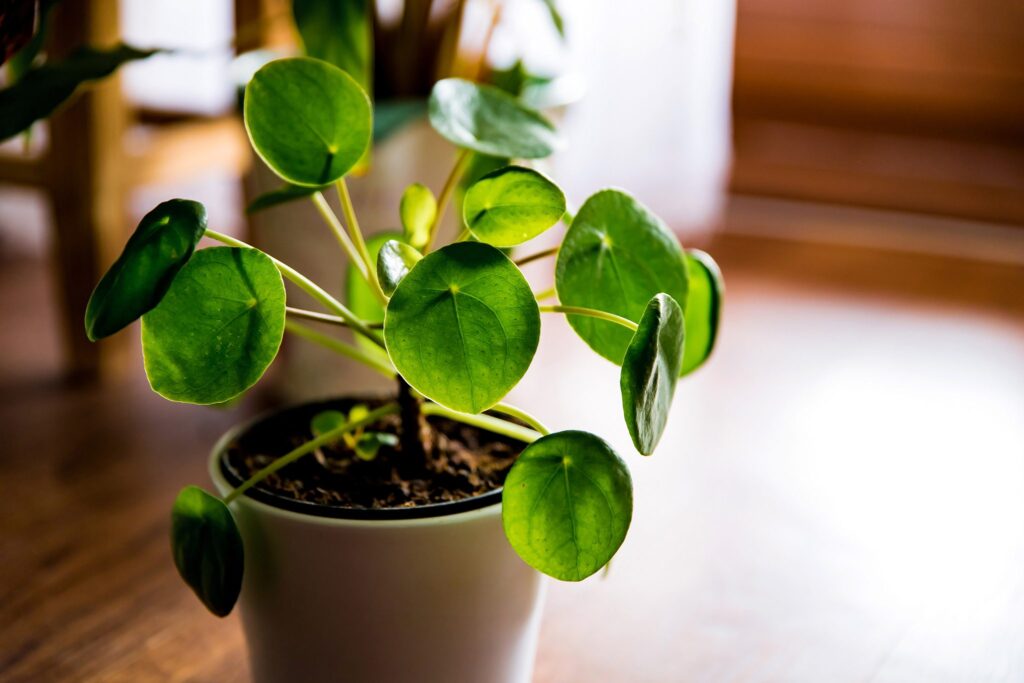
As an increasingly popular houseplant, Pilea peperomioides is a great addition to any home. However, its low germination rate and limited availability make it challenging to find. In this article, we’ll delve into the world of Pilea peperomioides care, covering topics such as propagation, watering, fertilization, and common issues.
Understanding Pilea Peperomioides
Pilea peperomioides is commonly known as the “money plant” or Pilea. It belongs to the Urticaceae family and is a popular choice for its low-maintenance requirements and attractive foliage. The plant’s leaves are shiny green, with a semi-succulent texture that makes them appear rigid when touched.
Propagation through Cuttings
To propagate Pilea peperomioides, you’ll need to take cuttings from a mature mother plant. This can be done by cutting a stem section (at least 6 cm long) with 3-4 leaves at the top. The base of the cutting should be submerged in water or a rooting medium until roots develop.
Watering and Humidity
Pilea peperomioides prefers well-draining soil and can tolerate some neglect, but overwatering is its greatest enemy. Water your plant only when the top inch of soil feels dry to the touch. To prevent root rot, make sure the pot has good drainage holes.
Temperature and Lighting
This plant thrives in temperatures between 10°C and 25°C (50°F-77°F). Direct sunlight can be too intense, so it’s best to place your Pilea peperomioides near an east- or west-facing window. Avoid placing the plant near heating or cooling vents, as this can cause stress.
Fertilization
Feeding your Pilea peperomioides with a balanced fertilizer will keep its leaves looking their best. Dilute the fertilizer to half the recommended strength and apply it once a month during the growing season (spring and summer).
Common Issues and Solutions
- Pests: Check for pests like spider mites, mealybugs, or scale by inspecting the underside of leaves and stems.
- Leaf drop: Inspect the plant’s water level to ensure it’s not too dry or wet. Adjust your watering schedule accordingly.
- Brown edges: This could be a sign of overwatering or nutrient deficiency. Prune affected areas, and adjust your fertilization schedule.
Propagation through Division
Another method for propagating Pilea peperomioides is by dividing the roots. This can be done during the spring or summer months when the plant is actively growing. To divide the roots, carefully remove the plant from its pot and gently separate the roots into smaller sections. Replant each section in a new pot filled with well-draining soil.
Propagation through Seeds
While it’s possible to propagate Pilea peperomioides using seeds, this method can be more challenging due to low germination rates. To propagate your Pilea peperomioides using seeds, sow the seeds on the surface of a seed starting mix and keep the soil consistently moist but not waterlogged. Provide indirect light and maintain a temperature of around 20°C (68°F).
Pruning
Pruning is an essential part of maintaining the health and appearance of your Pilea peperomioides. To prune, use clean, sharp tools to cut off any dead or damaged leaves or stems. Remove lower leaves to prevent fungal diseases from spreading.
Pest Control
To control pests like spider mites, mealybugs, or scale, inspect the plant’s underside regularly and treat any infestations promptly. Use insecticidal soap or neem oil according to the manufacturer’s instructions.
Common Mistakes
There are several common mistakes that can hinder the success of your Pilea peperomioides care. Some of these include:
- Overwatering
- Underwatering
- Insufficient light
- Inadequate fertilization
- Poor potting mix
By avoiding these common mistakes and following the guidelines outlined in this article, you’ll be well on your way to becoming a successful plant parent.
Conclusion
With proper care, Pilea peperomioides can become a stunning addition to any home. By following the guidelines outlined in this article, you’ll be well on your way to becoming a successful plant parent. Remember to keep an eye out for common issues and don’t hesitate to seek advice if you’re unsure about anything.
Frequently Asked Questions
- How often should I water my Pilea peperomioides?
You should water your Pilea peperomioides when the top inch of soil feels dry to the touch. - Can I grow Pilea peperomioides outdoors?
While it’s possible to grow Pilea peperomioides outdoors, it may not be the best option due to its sensitivity to extreme temperatures and direct sunlight. - How do I propagate my Pilea peperomioides through cuttings?
To propagate your Pilea peperomioides through cuttings, take a stem section (at least 6 cm long) with 3-4 leaves at the top and submerge it in water or rooting medium until roots develop. - What kind of fertilizer should I use for my Pilea peperomioides?
A balanced fertilizer is suitable for Pilea peperomioides, but be sure to dilute it to half the recommended strength to avoid burning the roots. - Can I grow multiple Pilea peperomioides in the same pot?
While it’s technically possible to grow multiple Pilea peperomioides in the same pot, it may not be the most ideal setup due to competition for resources and potential root damage.
By following these guidelines and being mindful of common issues, you’ll be well on your way to becoming a successful plant parent and enjoying the beauty of Pilea peperomioides.


