
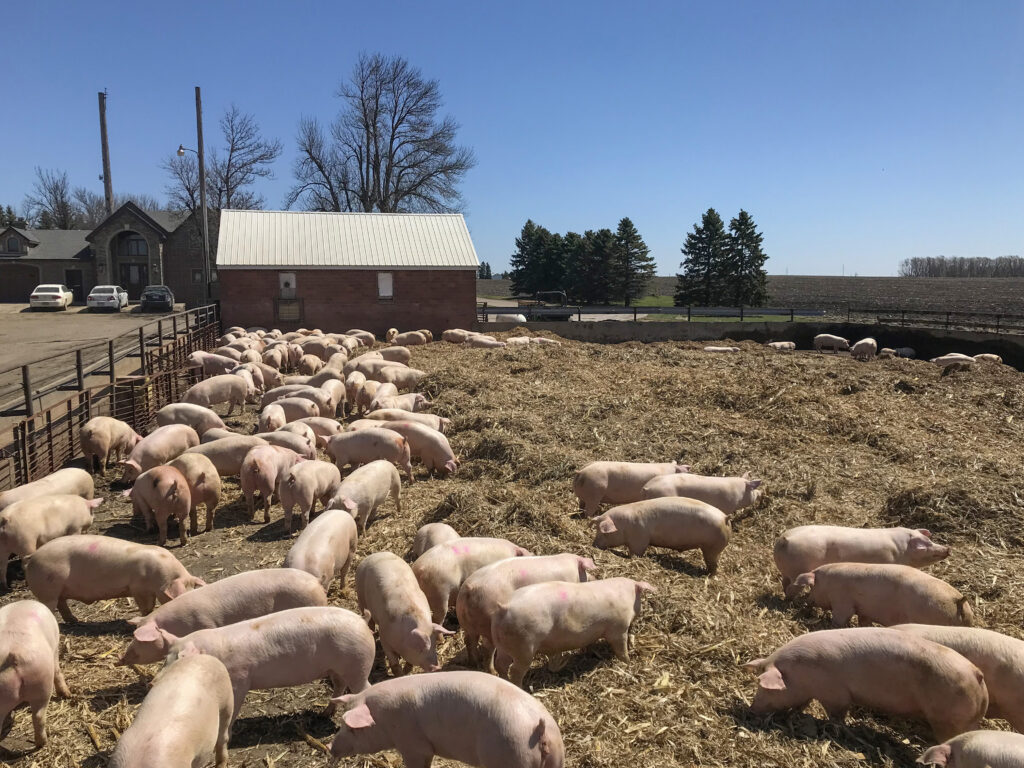
Introduction
Raising pigs outdoors is a popular method of pig farming, offering several benefits over traditional indoor systems. In this article, we will delve into the world of outdoor pig farming, exploring the necessary space requirements, feeding strategies, and management techniques to ensure the health and well-being of your pigs.
Benefits of Outdoor Pig Farming
Outdoor pig farming has several advantages over traditional indoor systems. For one, it allows for better air quality and reduced stress on the animals. Additionally, outdoor pigs can roam freely, which helps to improve their overall health and wellbeing.
- Improved Air Quality: Outdoor pig farms do not contain artificial lighting or heating, reducing the risk of ammonia buildup and improving air quality.
- Reduced Stress: Pigs raised outdoors tend to be less stressed than those in indoor systems, leading to better overall health and productivity.
- Increased Exercise: Free-ranging allows pigs to exercise more naturally, helping to improve their physical fitness and mental health.
Choosing the Right Breeds
When selecting breeds for your outdoor pig farm, it’s essential to choose species that are well-suited to the outdoor environment. Look for breeds that are native to your region or have been bred specifically for outdoor conditions.
- Temperature Resistance: Choose breeds that can tolerate extreme temperatures, such as heatwaves or cold snaps.
- Disease Resistance: Select breeds with natural resistance to common pig diseases, such as swine influenza or bovine tuberculosis.
- Growth Rate: Opt for breeds with a fast growth rate, allowing you to harvest your pigs more quickly.
Space Requirements
The space required for an outdoor pig farm will depend on several factors, including the number of pigs you plan to raise and the climate in your area. Generally, a minimum of 10,000 square meters is recommended for 20-25 pigs.
- Pig Enclosure: The enclosure should be at least 2.5 meters wide, 3 meters long, and 1.8 meters high to accommodate adult pigs.
- Pasture Area: Allocate an additional 500-750 square meters per pig for grazing and pasture access.
- Manure Storage: Provide a secure area for manure storage, with adequate ventilation and drainage.
Designing Your Farm
To ensure that your pigs have enough space to roam freely, it’s essential to design your farm with separate areas for different activities. This may include:
- Grazing Area: A large, open space where pigs can graze on pasture or hay.
- Breeding Area: A secure area where sows can give birth and raise their young.
- Eating Area: A sheltered area where pigs can eat and rest.
Management Techniques
Effective management techniques are essential to the success of your outdoor pig farm. This includes:
- Shelter and Protection: Provide adequate shelter from wind, rain, and sun damage.
- Access to Clean Water: Ensure that all pigs have access to clean water at all times.
- Feeding Program: Implement a feeding program that meets the nutritional needs of your pigs.
Feeding Your Pigs
The type of feed you provide will depend on several factors, including the age and sex of your pigs. Generally, a high-quality commercial pig feed should be provided, supplemented with fresh fruits and vegetables.
- Weaners (0-40kg): 40-45% maize, oats or barley; 20-25% wheat or barley; 10% barley straw; 10-20% soybean meal; 5-10% soybean hulls
- Growers (40-100kg): 30-35% maize; 30% oats or barley; 15-18% barley straw
- Finishers (over 100kg): no soybean meal
It’s essential to provide your pigs with access to clean water at all times.
Conclusion
Outdoor pig farming can be a rewarding and profitable venture, but it requires careful planning and management. By choosing the right breeds, designing your farm effectively, and implementing good management techniques, you can ensure the health and well-being of your pigs.
Frequently Asked Questions
- What is the minimum space required for an outdoor pig farm?
- A minimum of 10,000 square meters is recommended for 20-25 pigs.
- How often should I feed my pigs?
- The frequency of feeding will depend on several factors, including the age and sex of your pigs.
- What type of shelter should I provide for my pigs?
- Provide adequate shelter and protection from the elements.
- Can I use recycled materials to build my pig farm?
- Yes, recycled materials can be a cost-effective option for building your pig farm.
- How often should I clean my pig farm?
- Clean your pig farm regularly to prevent disease and promote health.
By following these guidelines and implementing good management techniques, you can ensure the success of your outdoor pig farm.


