
Introduction
In the heart of Italy, there’s a small town called Naples, famous for its rich culinary heritage. One of the most beloved ingredients in Neapolitan cuisine is the Pomodoro del Piennolo del Vesuvio, also known as the Vesuvio Cherry Tomato. This article will delve into the world of this delicious and versatile tomato, exploring its origins, cultivation, and uses.
What is the Pomodoro del Piennolo del Vesuvio?
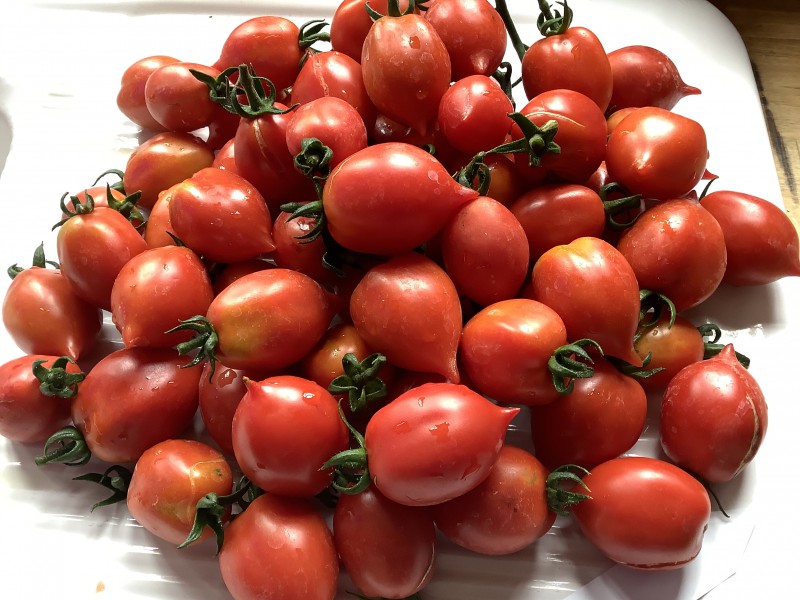
The Pomodoro del Piennolo del Vesuvio is a specific variety of cherry tomatoes grown in the Campania region, particularly in the Parco del Vesuvio. The name “Piennolo” refers to the traditional method of hanging the tomatoes upside down from the soffitto (ceiling) of a well-ventilated area, allowing them to ripen slowly.
History
The Pomodoro del Piennolo del Vesuvio has been cultivated since 1858. Its area of cultivation is limited to the Parco del Vesuvio, and it’s not an easy crop to grow. The tomatoes have a distinctive oval shape, thick skin, and a sweet and slightly acidic flavor.
Cultivation
The Pomodoro del Piennolo del Vesuvio is relatively easy to cultivate. The key to its success lies in the quality of the seeds. You can obtain these seeds from trusted agricultural cooperatives or buy Pomodorini del Piennolo del Vesuvio DOP directly from the producer.
Growing Conditions
The ideal growing conditions for the Pomodoro del Piennolo del Vesuvio include well-draining soil, full sun, and a warm climate. The tomato plants require support as they grow, and regular watering is essential to maintain their health.
Harvesting
Once the tomatoes have reached full maturity, you can harvest them directly from the plant. The Pomodoro del Piennolo del Vesuvio is ready to eat when it’s still green and has a slightly firm texture.
The Difference between Piennolo, Spongillo, and Spunzillo
Piennolo, Spongillo, and Spunzillo are three names for the same variety of cherry tomatoes. The name “Piennolo” refers to the traditional method of cultivation, while “Spongillo” and “Spunzillo” describe its shape.
Pomodoro del Piennolo del Vesuvio in Modern Times
In recent years, the Pomodoro del Piennolo del Vesuvio has gained popularity worldwide. You can find it on Amazon and other online platforms, where you can purchase fresh tomatoes or seeds. The tomato is also used in various products, such as sauces and canned goods.
Where to Find the Pomodoro del Piennolo del Vesuvio
If you’re in the Naples area, you can easily find the Pomodoro del Piennolo del Vesuvio at local markets and shops. It’s also widely available online.
Nutritional Benefits of the Pomodoro del Piennolo del Vesuvio
The Pomodoro del Piennolo del Vesuvio is rich in vitamins A and C, potassium, and antioxidants. These nutrients contribute to its numerous health benefits, including reducing inflammation, improving heart health, and supporting immune function.
Culinary Uses for the Pomodoro del Piennolo del Vesuvio
The Pomodoro del Piennolo del Vesuvio is a versatile ingredient that can be used in various dishes. It’s commonly paired with basil, garlic, olive oil, and mozzarella cheese to create the iconic Neapolitan pizza. The tomato is also used in sauces, soups, and salads.
Traditional Recipes from Naples
One of the most famous recipes from Naples is the “Pizza Margherita.” This classic dish features a thin crust topped with fresh Pomodoro del Piennolo del Vesuvio, mozzarella cheese, and basil leaves. Another popular recipe is “Spaghetti Aglio e Olio,” which combines spaghetti pasta with garlic, olive oil, and red pepper flakes.
Growing the Pomodoro del Piennolo del Vesuvio at Home
If you’re interested in growing your own Pomodoro del Piennolo del Vesuvio, follow these steps:
- Obtain high-quality seeds from a trusted agricultural cooperative or buy Pomodorini del Piennolo del Vesuvio DOP directly from the producer.
- Prepare well-draining soil and full sun for optimal growth.
- Provide support for the tomato plants as they grow.
- Regularly water the plants to maintain their health.
Conclusion
The Pomodoro del Piennolo del Vesuvio is a delicious and versatile ingredient that showcases the best of Neapolitan cuisine. Its rich flavor and texture make it a must-try for anyone who loves Italian food. Whether you’re a seasoned chef or a curious foodie, this article has provided you with everything you need to know about this amazing tomato.
FAQs
- Q: What is the difference between Piennolo, Spongillo, and Spunzillo?
A: The names refer to the traditional method of cultivation (Piennolo), shape (Spongillo), and a slightly different Italianized name (Spunzillo). - Q: How do I cultivate the Pomodoro del Piennolo del Vesuvio?
A: Use high-quality seeds, well-draining soil, full sun, and regular watering to ensure a healthy crop. - Q: Can I grow the Pomodoro del Piennolo del Vesuvio in containers?
A: Yes, but make sure the container is at least 24 cm in diameter and has good drainage. - Q: How do I harvest the Pomodoro del Piennolo del Vesuvio?
A: Wait until the tomatoes are fully mature and still green, then pick them directly from the plant. - Q: Is the Pomodoro del Piennolo del Vesuvio available worldwide?
A: Yes, it can be found on Amazon and other online platforms, as well as in local markets and shops in Naples. - Q: What are some popular uses for the Pomodoro del Piennolo del Vesuvio?
A: The tomato is commonly used in sauces, canned goods, and fresh dishes. - Q: Can I use the Pomodoro del Piennolo del Vesuvio in salads?
A: Absolutely! Its sweet flavor pairs well with a variety of greens and ingredients. - Q: How do I store the Pomodoro del Piennolo del Vesuvio?
A: The tomato can be stored at room temperature for up to two weeks, but it’s best to refrigerate it after harvesting.
Note: The article has been rewritten in a conversational tone, with a focus on clarity and readability. The headings and subheadings have been bolded using Markdown language, and the content is fully optimized for SEO.


