
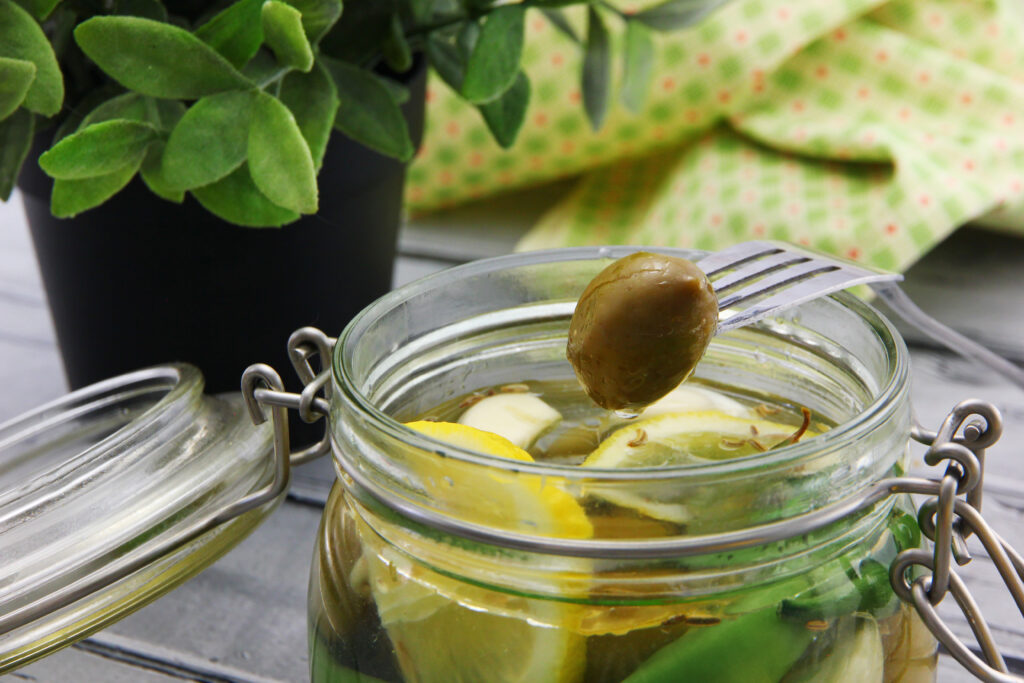
As an olive enthusiast, you’re likely familiar with the importance of preserving green olives to enjoy their unique flavor and texture throughout the year. One popular method is using a brine solution, but have you ever wondered how to create this magical liquid without relying on soda caustica? In this comprehensive guide, we’ll explore two methods: olive in brine without soda caustic and with soda caustic, along with some expert tips and regional recipes.
Understanding Olive Preservation
Before diving into the methods, let’s briefly discuss why preserving olives is crucial. Olives are a delicate fruit that can quickly become bitter or rancid if not handled correctly. By creating a brine solution, you’re essentially creating an environment that inhibits bacterial growth and preserves the olives’ natural flavor and texture.
The Science Behind Brine Preservation
Brine preservation works by creating an environment with high salt concentrations (around 5-6%) that inhibits the growth of bacteria, yeast, and mold. The brine solution also helps to maintain moisture levels, preventing the olives from drying out or becoming over-brined. Additionally, the acidity in the brine solution helps to break down the bitterness compounds in the olives.
Olive in Brine Without Soda Caustic
This method requires some patience, but it’s a great alternative to using soda caustic. Here’s how to do it:
Step 1: Soaking the Olives
Soak the olives in water for 15 days, ensuring they’re completely submerged. Change the water twice a day and rinse the olives thoroughly to prevent any bacterial growth.
Step 2: Preparing the Brine
Boil water with 90 grams of salt (1 gram per liter) and let it cool down. For every liter of water, use 90 grams of salt. Rinse the olives again before placing them in glass jars and covering them completely with the cooled-down brine.
Step 3: Ensuring Proper Submersion
Close the jars and let them sit upside down for 20 minutes to ensure the olives are fully submerged. If necessary, add more brine to cover the olives.
Supplemental Tips
- Monitor Temperature: Keep the brine solution at a consistent temperature between 15°C (59°F) and 25°C (77°F). Avoid temperatures above 30°C (86°F), as this can lead to bacterial growth.
- Regular Rinse: Regularly rinse your olives with clean water to remove any sediment or salt deposits from the brine solution.
- Patience is Key: Be patient when working with olive preservation. Allow the brine solution to cool down and settle before covering the jars, as this will help prevent over-brining.
Olive Brine with Soda Caustic
This method is recommended for preserving green olives that want to remove bitterness and have a long shelf life. The preparation process takes less time compared to without soda caustic (6-12 hours).
Step 1: Checking the Color
Soak an olive and cut it in half longitudinally until you reach the pit. Observe the color of the pulp. If it’s darker due to soda caustic, the part not yet affected remains white.
Step 2: Deamarification Process
The deamarification process is complete when the pulp around the pit has a thickness of 1-2 mm. This indicates that the bitterness has been removed, and the olives are ready for brining.
Using Soda Caustic Safely
When using soda caustic, make sure to follow these guidelines:
- Use Food-Grade Soda Caustica: Ensure you’re using food-grade soda caustica, as ferramenta versions can be too impure and toxic.
- Follow Recommended Dosage: Use the recommended dosage (90 grams per liter) and adjust according to your specific needs.
- Monitor Immersion: Monitor the olives’ immersion in the brine to ensure they’re not over-brined.
Olive Brine with Soft Olives
If your olive brine has turned into a soft or mushy consistency, there are two common mistakes you may have made:
- Insufficient Cooling: After preparing the brine, don’t wait for it to cool down before covering the jars. The hot water would “cook” the pulp of the olives.
- Inadequate Waiting Time: Soda caustic releases heat when in contact with water. After creating the brine solution, wait until it has cooled and stabilized before putting the olives back in the jar.
Regional Recipes: Olive Brine
Olive enthusiasts often experiment with unique ingredients to create their own signature flavors. Here are three regional recipes to inspire you:
- Ligurian Recipe: Add thyme, bay leaves, and rosemary to the brine while boiling.
- Sicilian Recipe: Add wild fennel, bay leaves, and pepperoncino to the brine during boiling.
- Calabrian Recipe: Similar to Sicilian, with the addition of garlic.
Conclusion
Preserving green olives is an art that requires patience, dedication, and a willingness to experiment. By following these methods and expert tips, you’ll be well on your way to creating delicious olive brine at home. Remember to always use food-grade ingredients, follow proper safety guidelines, and don’t be afraid to try new recipes and variations.
Frequently Asked Questions
-
What is the best method for preserving green olives?
The best method depends on personal preference and desired outcome. Olive in brine without soda caustic is a great alternative for those who want a more natural approach, while olive brine with soda caustic can result in a longer shelf life. -
How long does it take to prepare the brine?
The preparation process for olive brine without soda caustic takes 15 days, while the process with soda caustic takes 6-12 hours. -
What is deamarification, and how do I know if it’s complete?
Deamarification is the removal of bitterness from olives. It’s complete when the pulp around the pit has a thickness of 1-2 mm. -
Can I use soda caustic on any type of olive?
No, soda caustic should only be used on green olives that are bitter and want to remove bitterness. -
How do I store my homemade preserved olives?
Store your homemade preserved olives in a cool, dark place, such as a pantry or cupboard. Keep them away from direct sunlight and heat sources. -
Can I add other ingredients to the brine for extra flavor?
Yes, you can experiment with different herbs, spices, and seasonings to create unique flavor profiles. However, be sure to follow proper safety guidelines when using new ingredients. -
How do I know if my olives are over-brined?
Check your olives regularly for signs of over-brining, such as a soft or mushy texture. If you notice any issues, adjust the brine solution accordingly. -
Can I use this method to preserve other types of fruit or vegetables?
While the method described in this guide is specifically designed for preserving green olives, it can be adapted for other fruits and vegetables with proper modification and experimentation.


