
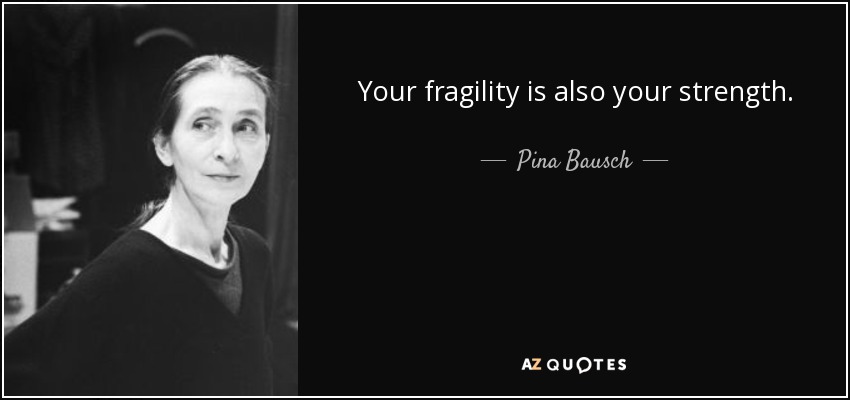
Fragility is a term that often evokes negative connotations. We think of it as a flaw, something to be overcome or hidden away. But what if we told you that fragility can also be a source of strength? In this article, we’ll delve into the world of phrases on fragility and explore the complex nuances of human weakness.
The Difference Between Weakness and Fragility
Before we dive in, let’s clarify the difference between weakness and fragility. Weakness is often seen as a negative trait, a flaw that holds us back from achieving our goals. It’s something we try to hide or overcome. Fragility, on the other hand, is more than just a lack of strength. It’s a vulnerability, a susceptibility to damage or harm.
Fragility is not just about physical weakness; it can also refer to emotional and mental fragility. For instance, someone who struggles with anxiety or depression may be fragile in the sense that they are vulnerable to their emotions and thoughts. In this case, fragility is not something to be ashamed of, but rather a natural part of the human experience.
The Language of Fragility: A Rich Tapestry
Fragility has been a theme in literature and philosophy for centuries. Here are some well-known phrases that showcase its complexity:
Phrases on the Fragility of the Soul
- “Whatever is cracked will shatter with a simple touch” (Ovid) – This phrase highlights the fragility of our emotional well-being. When we’re emotionally vulnerable, even small stressors can cause us to crack and break.
- “Show her some weakness and they’ll break her apart, you can be sure.” (Skins) – This phrase speaks to the fragility of women, particularly in patriarchal societies where women are often expected to be strong and unyielding. When we show vulnerability, we open ourselves up to potential harm.
- “Violence has its roots in weakness” (Lucius Annaeus Seneca) – This phrase suggests that violence is often a symptom of deeper emotional or psychological fragility.
These phrases illustrate the complexity of human fragility. We’re not just bodies; we’re complex beings with emotions, thoughts, and feelings. When we crack or break, it’s not just our physical body that suffers, but also our mental and emotional well-being.
Phrases on the Fragility of Women
- “My family is my strength and my weakness” (Aishwarya Rai) – This phrase highlights the fragility of women in patriarchal societies. We’re often expected to be strong and self-sufficient, but this expectation can also lead to emotional exhaustion and vulnerability.
- “The story of women is the story of the worst form of tyranny ever seen on earth: the tyranny of the weakest on the strongest.” (Oscar Wilde) – This phrase speaks to the fragility of women in a society where they are often marginalized and oppressed.
These phrases shed light on the fragility of women. Physically, they may be strong, but when faced with patriarchal oppression or societal expectations, they can become vulnerable and weak.
Phrases on the Fragility of the Heart
- “When you fall in love, your heart becomes fragile, ready to shatter at the first disappointment.” (Charles Eugene de Foucauld) – This phrase captures the fragility of our hearts. When we fall in love, we open ourselves up to the possibility of hurt and rejection.
- “Love is often associated with weakness, although in reality, knowing how to love is a strength.” (Paulo Coelho) – This phrase highlights the complexity of human relationships. Love can be vulnerable and fragile, but it’s also what allows us to connect with others on a deeper level.
These phrases illustrate the fragility of our hearts. When we fall in love, we become vulnerable to potential hurt and rejection. But it’s precisely this vulnerability that allows us to experience deep connection and intimacy.
Phrases on the Fragility of a Person
- “A fragile person, either of mind or body, can evoke tenderness, compassion, and even rage.” (Javier Marías) – This phrase highlights the complexity of human fragility. We’re not just one-dimensional beings; we have multiple facets that can be vulnerable or strong.
These phrases remind us that fragility is an inherent part of the human experience. We’re constantly struggling with our own weaknesses and limitations, and it’s precisely this vulnerability that makes us stronger.
Phrases on Human Fragility
- “The war that is most difficult for humanity is the war against oneself.” (Michel de Montaigne) – This phrase speaks to the fragility of human nature. We’re constantly struggling with our own weaknesses and limitations, and it’s precisely this inner conflict that makes us stronger.
- “In every moment of history, human weakness is present: the self-seeking malice, comfortable egoism, and ultimately, the lust that threatens us all.” (Pope Francis) – This phrase reminds us that fragility is an inherent part of the human experience. We’re constantly struggling with our own weaknesses and limitations, and it’s precisely this vulnerability that makes us stronger.
These phrases illustrate the complexity of human fragility. We’re not just one-dimensional beings; we have multiple facets that can be vulnerable or strong.
Conclusion
Fragility is not something to be ashamed of; it’s a natural part of being human. By acknowledging and embracing our vulnerabilities, we can find strength in our weakness. As Paulo Coelho so eloquently put it, “The strongest love is that which shows its fragility.”
FAQs
- What is the difference between weakness and fragility?
Weakness refers to a lack of strength or ability, while fragility refers to vulnerability or susceptibility to damage. - How can fragility be seen as a source of strength?
Fragility allows us to experience deep connection and intimacy, and it’s precisely this vulnerability that makes us stronger. - Why is the language of fragility so rich and complex?
The language of fragility is rich and complex because it encompasses multiple facets of human experience, including emotions, thoughts, and feelings. - What role does fragility play in relationships?
Fragility can be a source of vulnerability in relationships, but it’s also what allows us to connect with others on a deeper level. - How can we cultivate strength from our fragilities?
We can cultivate strength by acknowledging and embracing our vulnerabilities, rather than trying to hide or overcome them. - What is the relationship between fragility and self-awareness?
Fragility is closely tied to self-awareness, as it allows us to recognize our own weaknesses and limitations. - How can we use fragility to our advantage?
We can use fragility to our advantage by learning from our mistakes, being more empathetic towards others, and developing resilience. - What does the phrase “the war that is most difficult for humanity is the war against oneself” mean?
This phrase means that the greatest challenge we face as humans is not external, but rather internal; it’s the struggle to overcome our own weaknesses and limitations.
Conclusion: Embracing Fragility
Fragility is a complex and multifaceted concept that can be both vulnerable and strong. By acknowledging and embracing our vulnerabilities, we can find strength in our weakness. As Paulo Coelho so eloquently put it, “The strongest love is that which shows its fragility.”
In the end, it’s not about hiding or overcoming our weaknesses; it’s about learning to live with them and finding strength in their vulnerability. By embracing our fragility, we can become stronger, more compassionate, and more resilient individuals.


