
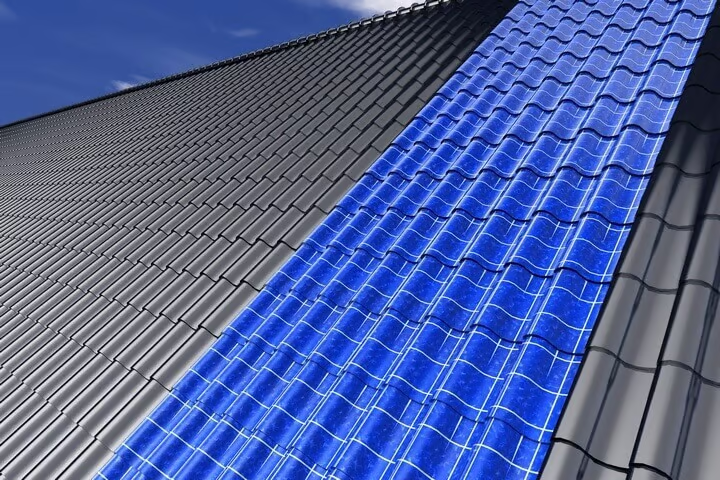
As architects look for ways to integrate renewable energy into their designs, solar roof tiles have emerged as a promising solution. These tiles can help resolve the issue of obtaining permits and approvals from local authorities, making them an attractive option for homeowners and businesses alike.
What are Solar Roof Tiles?
Solar roof tiles are designed to be part of the building’s envelope, providing both insulation and energy generation. They consist of a photovoltaic material integrated into the tile itself, which converts sunlight into electricity.
Solar roof tiles can be made from various materials such as ceramics, plastics, and glass, each with its unique characteristics and benefits. The most common types of solar roof tiles are:
- Marsigliese Solar Roof Tiles: These tiles are made from either ceramic or plastic and have a traditional Marsigliese tile shape. They feature a flat central section that is covered with photovoltaic material.
- Portuguese Solar Roof Tiles: These tiles are also made from ceramic or plastic and have the classic Portuguese tile design. The photovoltaic material is applied to the flat surface of the tile.
- Coppi Solar Roof Tiles: These tiles are produced in traditional terracotta and can be antiqued for a more rustic look. Unlike Marsigliese and Portuguese tiles, Coppi tiles do not have a flat surface, so the photovoltaic material is placed on flexible lastres that conform to the tile’s shape.
- Translucent Solar Roof Tiles: These tiles are perfect for buildings with transparent facades. They allow 80% of visible light to pass through while generating electricity.
How Do Solar Roof Tiles Work?
Solar roof tiles work by converting sunlight into electricity using photovoltaic materials such as salts and organic compounds. The tiles can be placed on a variety of surfaces, including flat and curved ones.
The energy generated by the solar roof tiles is then fed into the electrical grid, where it can power homes and businesses. While they do not produce as much energy as traditional photovoltaic panels, they offer an attractive solution for building owners who want to integrate renewable energy into their designs.
Cost of Solar Roof Tiles
The cost of solar roof tiles can be a significant factor in the decision-making process. While they are more expensive than traditional roofing materials, the long-term savings on electricity bills and reduced maintenance costs make them an attractive option for many homeowners and businesses.
The price of a single solar roof tile can range from 40 to 100 euros, depending on factors such as performance, size, and material composition. When calculating the total cost of an installation, it’s essential to consider the number of tiles required to cover a building’s roof surface.
Assuming that approximately 500 tiles are needed for a typical residential or commercial building, the total cost of a solar roof tile installation can range from 20,000 to 50,000 euros, not including labor costs.
Environmental Impact
Solar roof tiles have a significantly lower environmental impact compared to traditional photovoltaic panels. They do not require additional infrastructure such as mounts and tracking systems, which reduce the overall carbon footprint of the installation.
Moreover, solar roof tiles can be designed to blend seamlessly into their surroundings, reducing visual pollution and preserving the aesthetic appeal of the building.
Conclusion
Solar roof tiles offer an innovative solution for integrating renewable energy into buildings while addressing concerns about permits and approvals. While they may not produce as much energy as traditional photovoltaic panels, their unique design and functionality make them an attractive option for architects and building owners alike.
When considering solar roof tiles for your next project, keep in mind the various types available, their performance characteristics, and the costs associated with installation.
Frequently Asked Questions
Q: Are solar roof tiles suitable for all types of buildings?
A: Yes, solar roof tiles can be used on a variety of building types, including residential and commercial structures. However, it’s essential to assess the suitability of the building before proceeding with an installation.
Q: How do I determine the number of solar roof tiles required for my building?
A: The number of tiles needed will depend on the size of your roof surface. It’s recommended to consult with a professional installer who can assess your specific needs and provide guidance on tile quantity and installation requirements.
Q: What is the typical lifespan of solar roof tiles?
A: Solar roof tiles are designed to last for many decades, often 25-30 years or more, depending on factors such as material quality, environmental conditions, and maintenance.
Q: Can I install solar roof tiles myself, or do I need professional assistance?
A: While it’s possible to install solar roof tiles yourself, it’s highly recommended that you hire a professional installer who has experience with this type of technology. They will ensure proper installation, minimize potential risks, and guarantee optimal performance.
Q: Are there any local incentives or tax credits available for installing solar roof tiles?
A: Yes, many governments offer incentives and tax credits to encourage the adoption of renewable energy technologies like solar roof tiles. It’s essential to research these programs in your area and consult with a professional installer who can help you navigate the process.
Q: Can I use solar roof tiles on existing buildings without significant modifications?
A: In some cases, yes. However, it’s crucial to assess the feasibility of installing solar roof tiles on your existing building and determine whether any necessary repairs or upgrades are required before proceeding with the installation.
Common Mistakes to Avoid
- Incorrect sizing: Ensure that the number of tiles installed is sufficient to meet the energy requirements of the building.
- Insufficient maintenance: Regularly inspect and clean the solar roof tiles to ensure optimal performance and longevity.
- Inadequate installation: Hire a professional installer who has experience with solar roof tiles to ensure proper installation and minimize potential risks.
By being aware of these common mistakes, you can avoid costly errors and ensure that your solar roof tile installation is successful and sustainable in the long term.
Best Practices for Installation
- Assess the building’s energy needs: Determine the amount of energy required to power the building and select the appropriate number of tiles accordingly.
- Choose the right material: Select a material that is suitable for your climate and building type, such as translucent or opaque tiles.
- Ensure proper installation: Hire a professional installer who has experience with solar roof tiles to ensure optimal performance and longevity.
- Regular maintenance: Regularly inspect and clean the solar roof tiles to ensure optimal performance and longevity.
By following these best practices, you can ensure that your solar roof tile installation is successful and sustainable in the long term.
Conclusion
Solar roof tiles offer an innovative solution for integrating renewable energy into buildings while addressing concerns about permits and approvals. By understanding the characteristics of solar roof tiles, their cost, and environmental impact, you can make informed decisions when considering this technology for your next project.
When investing in solar roof tiles, remember to consult with a professional installer who has experience with this type of technology to ensure optimal performance and longevity.


