
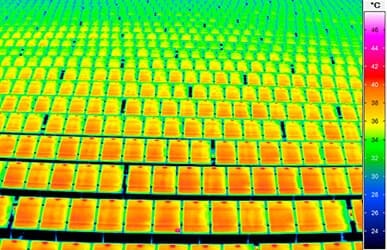
As the world shifts towards renewable energy, understanding how photovoltaic systems work and identifying potential issues is crucial. One tool that can help is thermography, a non-invasive analysis technique that uses infrared cameras to inspect solar panels. In this article, we’ll delve into what thermography offers, its benefits, and how it can be used to maintain and troubleshoot photovoltaic systems.
What is Photovoltaic Thermography?
Thermography, also known as thermal imaging, is a non-destructive testing method that uses heat signatures to identify potential issues with solar panels. This technique involves using an infrared camera to capture images of the panel’s temperature distribution, which can reveal areas of high or low temperature.
Why Use Photovoltaic Thermography?
Photovoltaic thermography offers several benefits for solar panel owners and operators:
- Early detection of issues: Thermography can help identify potential problems before they become major issues, reducing downtime and maintenance costs.
- Cost savings: By identifying and addressing issues early, you can save money on repairs, replacements, and energy losses.
- Improved system performance: Regular thermographic inspections can help optimize system performance by identifying areas where temperatures may be too high or too low.
How Does Thermography Work?
Thermography uses infrared cameras to capture images of the solar panel’s temperature distribution. This technique is non-invasive, meaning it doesn’t require disassembly or physical contact with the panels. The camera detects heat signatures and converts them into an image that highlights areas of high or low temperature.
What Can Thermographic Analysis Reveal?
Thermographic analysis can reveal a range of issues, including:
- Cell failures: Thermography can identify cells that are overheating or underperforming, which can lead to system instability.
- Panel degradation: Regular thermographic inspections can help identify areas where panels may be showing signs of degradation, such as cracks or corrosion.
- System malfunctions: Thermography can detect issues with the electrical connections or other system components that may be causing problems.
How Can I Benefit from Photovoltaic Thermography?
By incorporating photovoltaic thermography into your maintenance routine, you can:
- Optimize system performance: Regular inspections can help identify areas where temperatures may be too high or too low, allowing you to optimize system performance.
- Reduce downtime: By identifying and addressing issues early, you can minimize downtime and reduce the impact on your energy production.
- Save money: Thermographic analysis can help you identify cost-saving opportunities by reducing energy losses and minimizing repairs.
Conclusion
Photovoltaic thermography is a powerful tool for maintaining and troubleshooting solar panels. By understanding how this technique works and its benefits, you can make informed decisions about when to use it in your maintenance routine. Regular thermographic inspections can help optimize system performance, reduce downtime, and save money on repairs and energy losses.
Frequently Asked Questions
- What is the purpose of photovoltaic thermography?
- The primary goal of photovoltaic thermography is to inspect solar panels for potential issues and identify areas where temperatures may be too high or too low.
- How does thermography work?
- Thermography uses infrared cameras to capture images of the panel’s temperature distribution, detecting heat signatures and converting them into an image that highlights areas of high or low temperature.
- What can thermographic analysis reveal?
- Regular inspections using photovoltaic thermography can help identify cell failures, panel degradation, system malfunctions, and other issues that may impact system performance.
- How often should I use thermography in my maintenance routine?
- The frequency of thermographic inspections depends on your specific needs and the condition of your solar panels. Consult with a qualified professional to determine the best schedule for your system.
- What are the benefits of using photovoltaic thermography?
- Regular thermographic inspections can help optimize system performance, reduce downtime, save money on repairs and energy losses, and improve overall efficiency.
- Is thermography a non-invasive process?
- Yes, photovoltaic thermography is a non-destructive testing method that doesn’t require disassembly or physical contact with the solar panels.
- Can I trust the results of thermographic analysis?
- Thermographic analysis is a reliable method for identifying potential issues with solar panels, but it’s essential to work with qualified professionals who have experience interpreting thermal images.
- How accurate are thermographic images?
- The accuracy of thermographic images depends on the quality of the camera and the expertise of the professional interpreting the results.
- Can I use photovoltaic thermography for other applications?
- Yes, thermography can be used to inspect other types of equipment and systems, such as HVAC units, refrigeration systems, and industrial machinery.
- Is there a standard procedure for performing photovoltaic thermography?
- While there is no single “standard” procedure for conducting photovoltaic thermography, most professionals follow guidelines set by industry organizations and manufacturers to ensure accurate and reliable results.
By understanding the benefits of photovoltaic thermography and how it can be used in your maintenance routine, you can make informed decisions about when to use this powerful tool. Regular inspections can help optimize system performance, reduce downtime, and save money on repairs and energy losses.
Real-World Applications of Photovoltaic Thermography
- Solar Panel Inspection: Thermographic analysis can help identify potential issues with solar panels, such as cell failures or panel degradation.
- System Monitoring: Regular inspections using photovoltaic thermography can help monitor system performance and identify areas where temperatures may be too high or too low.
- Energy Loss Reduction: By identifying energy losses in the system, you can take steps to reduce them and optimize system efficiency.
Best Practices for Conducting Photovoltaic Thermography
- Choose the Right Camera: Select an infrared camera that is specifically designed for thermal imaging applications.
- Train Your Personnel: Ensure that your personnel are properly trained in the use of thermographic cameras and interpretation of results.
- Follow Industry Guidelines: Follow guidelines set by industry organizations and manufacturers to ensure accurate and reliable results.
Conclusion
Photovoltaic thermography is a powerful tool for maintaining and troubleshooting solar panels. By understanding how this technique works and its benefits, you can make informed decisions about when to use it in your maintenance routine. Regular inspections can help optimize system performance, reduce downtime, and save money on repairs and energy losses.
Whether you’re a seasoned solar panel professional or just starting out, photovoltaic thermography is an essential tool to have in your toolkit. By incorporating this powerful technique into your maintenance routine, you can ensure that your solar panels are running at peak efficiency and minimizing downtime.


