
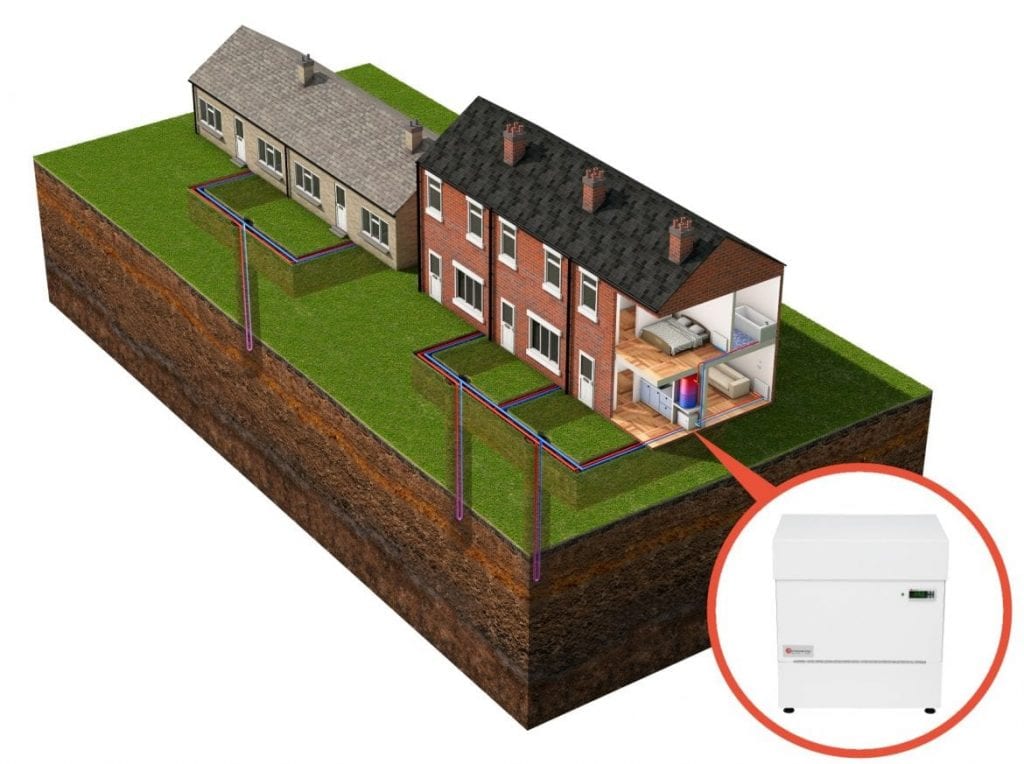
As the world shifts towards a more sustainable future, one of the key areas of focus is on reducing our carbon footprint. One way to achieve this is by incorporating renewable energy sources into our homes, particularly in social housing developments. Social housing is not only about providing affordable housing but also about building structures that promote sustainability and efficiency.
What is Social Housing?
Social housing refers to a type of residential accommodation that combines affordability with innovative technologies and design principles. It’s more than just a place to live; it’s a community-driven approach to urban planning, where residents can share resources, services, and spaces. In this article, we’ll explore the relationship between social housing and renewable energy sources like solar power and heat pumps.
The Rise of Solar Power in Social Housing
As the world transitions towards cleaner energy, solar power has become an increasingly important technology for social housing developments. Solar panels can be integrated into building design, generating electricity on-site and reducing reliance on traditional grid power. In social housing, solar power is particularly effective because it allows residents to produce their own energy, maximizing auto-consumption of renewable energy.
Benefits of Solar Power in Social Housing
- Reduced Energy Costs: Solar panels can significantly reduce the energy costs for residents, making them more affordable and accessible.
- Increased Energy Independence: Solar power enables social housing developments to be less reliant on traditional grid power, reducing their carbon footprint and promoting energy security.
- Improved Public Health: By generating clean energy, solar power can contribute to improved public health by reducing air pollution and other environmental hazards.
Heat Pumps: A Game-Changer in Social Housing
Heat pumps are another crucial technology for social housing developments. They work by transferring heat from one location to another, rather than generating heat through combustion or other traditional means. In social housing, heat pumps can provide efficient and cost-effective heating and cooling solutions, reducing energy bills and greenhouse gas emissions.
Benefits of Heat Pumps in Social Housing
- Energy Efficiency: Heat pumps are highly efficient, providing up to 4 units of energy for every unit of electricity used.
- Cost Savings: By using renewable heat sources, social housing developments can reduce their energy costs and save money on fuel bills.
- Improved Indoor Air Quality: Heat pumps do not produce combustion byproducts like particulate matter, nitrogen oxides, or sulfur dioxide, improving indoor air quality.
The Intersection of Social Housing and Renewable Energy
Social housing and renewable energy share a common goal: creating sustainable communities that minimize environmental impact. By incorporating solar power and heat pumps into social housing developments, we can reduce our reliance on fossil fuels, lower energy costs, and promote a healthier environment for residents.
New Forms of Social Housing Emerge
As the concept of social housing evolves, new forms of community living are emerging. Cohousing communities prioritize shared spaces and services, while modern apartments focus on efficiency, quality, and social interaction. The rise of eco-friendly architecture and innovative design principles is also transforming the way we think about urban living.
Innovative Solutions for a More Sustainable Future
Social housing developments can be supported by innovative solutions like green tariffs (D1) that reward residents for using renewable energy sources. Additionally, government initiatives to promote electric vehicles and car-sharing schemes are encouraging sustainable transportation practices. As technology advances, new opportunities will arise for social housing to become even more environmentally friendly.
Benefits of Green Tariffs (D1)
- Incentivizing Renewable Energy Use: Green tariffs encourage residents to use renewable energy sources, promoting a shift towards cleaner energy.
- Reducing Energy Costs: By rewarding residents for using renewable energy, green tariffs can help reduce energy costs and make clean energy more accessible.
- Promoting Sustainable Living: Green tariffs promote sustainable living by incentivizing residents to adopt eco-friendly practices.
Government Initiatives Supporting Social Housing
- Electric Vehicle Incentives: Government initiatives to promote electric vehicles can encourage sustainable transportation practices and reduce greenhouse gas emissions.
- Car-Sharing Schemes: Car-sharing schemes can provide residents with alternative modes of transportation, reducing the need for personal vehicles and promoting a healthier environment.
- Net-Zero Carbon Targets: Setting net-zero carbon targets can encourage social housing developments to prioritize renewable energy sources and sustainable living practices.
Conclusion: Building a Sustainable Future
The relationship between social housing and renewable energy is one of mutual benefit. By incorporating solar power and heat pumps into our homes, we can reduce our environmental impact, lower energy costs, and promote a healthier community. As the world continues to evolve towards a more sustainable future, social housing will play a vital role in shaping the way we live and interact with each other.
Frequently Asked Questions
- What is social housing?
Social housing refers to a type of residential accommodation that combines affordability with innovative technologies and design principles. - How can solar power benefit social housing?
Solar power allows residents to produce their own energy, maximizing auto-consumption of renewable energy and reducing reliance on traditional grid power. - What are heat pumps, and how do they work?
Heat pumps transfer heat from one location to another, providing efficient and cost-effective heating and cooling solutions for social housing developments. - How can green tariffs (D1) support sustainable living in social housing?
Green tariffs reward residents for using renewable energy sources, encouraging the adoption of eco-friendly practices and reducing energy costs. - What role can car-sharing schemes play in promoting sustainable transportation?
Car-sharing schemes encourage residents to use electric vehicles, reducing greenhouse gas emissions and promoting a healthier environment. - How can social housing developments become more environmentally friendly?
Incorporating solar power, heat pumps, green tariffs (D1), and innovative design principles can help social housing developments reduce their environmental impact and promote sustainable living. - What are some new forms of social housing emerging today?
Cohousing communities prioritize shared spaces and services, while modern apartments focus on efficiency, quality, and social interaction. - How can government initiatives support the adoption of renewable energy in social housing?
Government initiatives to promote electric vehicles and car-sharing schemes can encourage sustainable transportation practices and reduce greenhouse gas emissions.
By exploring the intersection of social housing and renewable energy, we can create a more sustainable future for all.


