
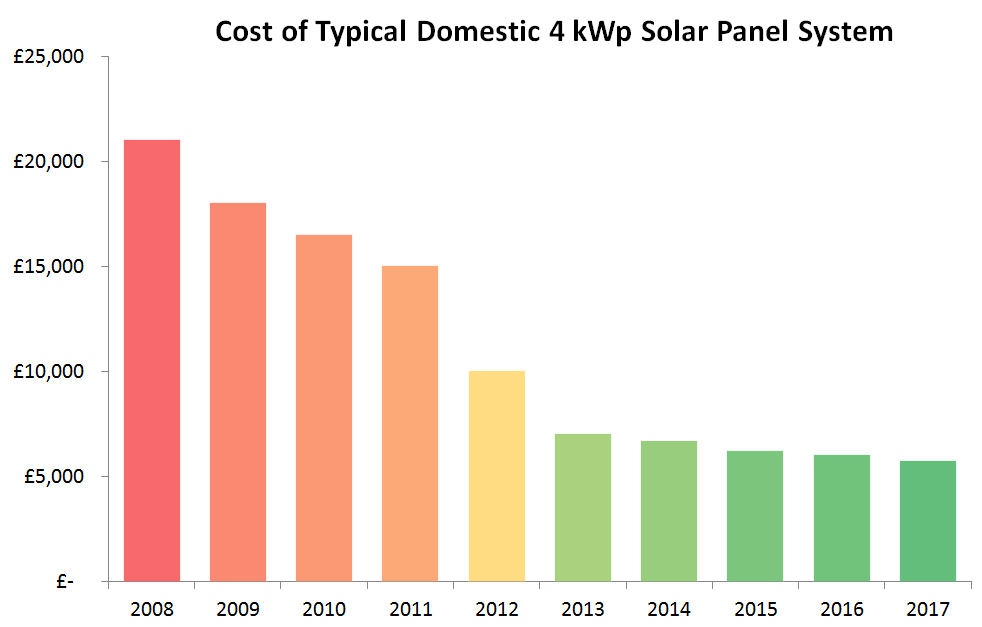
As the world shifts towards renewable energy, more and more people are considering installing solar panels on their homes. But have you ever wondered how much it costs to install a solar panel system? In this article, we’ll break down the cost of solar panels and what factors affect the price.
What Affects the Cost of Solar Panels?
The cost of solar panels depends on several factors, including:
- The efficiency of the panels: The efficiency of the panels determines how well they can convert sunlight into electricity. Higher-efficiency panels are more expensive but produce more power.
- The size of the installation: Larger installations require more panels and materials, increasing the cost.
- The difficulty of installation (e.g., roof height and pitch): Installations on steep or uneven roofs may require additional equipment and labor, adding to the cost.
- The type of panels used (e.g., polycrystalline vs. monocrystalline): Monocrystalline panels are more expensive than polycrystalline panels but offer higher efficiency rates.
- The presence of additional components, such as inverters and batteries: Inverters convert DC power from the panels to AC power for your home, while batteries provide backup power during outages.
How Much Does a Solar Panel System Cost?
The cost of a solar panel system can vary widely depending on the size and complexity of the installation. Here are some examples:
- Small residential systems: A 2 kW solar panel system with an inverter can cost between $1,500 and $4,000.
- Medium-sized commercial systems: A 10 kW solar panel system can cost between $15,000 and $40,000.
- Large-scale installations: Industrial or commercial solar panels for large-scale installations can range from $50,000 to over $200,000.
Additional Costs to Consider
When calculating the total cost of a solar panel system, you’ll also need to factor in:
- Cost of materials and equipment: Panels, inverters, mounting hardware, and wiring all contribute to the overall cost.
- Installation costs (e.g., labor, permits): Hiring professionals for installation can add significant expenses to your project.
- Optional components, such as batteries or backup systems: Additional features like energy storage systems or smart home integrations may increase the total bill.
Incentives and Tax Credits
There are various incentives available for homeowners who install solar panels. For example:
- The Solar Investment Tax Credit (ITC): Allows homeowners to claim a tax credit of up to 26% of the total cost.
- State and local rebates: Many states and local governments offer financial assistance for renewable energy projects.
- Utility company incentives: Some utility companies provide discounts or credits for customers who install solar panels.
The Benefits of Solar Panels
While upfront costs may be significant, there are many benefits to installing solar panels:
- Reduced energy bills: By generating electricity from the sun, you can reduce your reliance on the grid and lower your energy bills.
- Lower carbon emissions: Solar panels produce clean energy, reducing greenhouse gas emissions and contributing to a more sustainable future.
- Increased property value: Installing solar panels can increase your home’s value, making it more attractive to potential buyers.
- Government incentives: Tax credits and rebates from government agencies can help offset the initial cost of installation.
Conclusion
Installing solar panels can be a smart investment for homeowners who want to reduce their energy bills and contribute to a cleaner environment. By understanding the factors that affect the cost of solar panels, you can make an informed decision about whether this is right for your home. With the right guidance and incentives, installing solar panels can pay off in the long run.
Frequently Asked Questions:
- What is the average cost of a solar panel system?
The average cost of a solar panel system varies widely depending on factors like size and location. However, here are some general estimates:- A 2 kW residential system can cost between $1,500 to $4,000.
- A 5 kW commercial system can range from $15,000 to $40,000.
- Industrial-scale installations can exceed $100,000.
- How do I calculate the cost of a solar panel installation?
To estimate the cost of your solar panel system: - Determine the size and complexity of your project based on your energy needs and roof conditions.
- Research local prices for panels, inverters, mounting hardware, and wiring.
- Consult with professionals to get quotes for labor and installation costs.
You should also factor in additional expenses such as permits, inspections, and any necessary upgrades to your electrical system.
4. What are the benefits of installing solar panels?
Solar panels offer numerous advantages:
1. Reduced energy bills
2. Lower carbon emissions
3. Increased property value
4. Government incentives



