
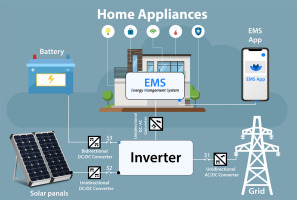
As the world shifts towards renewable energy sources, solar power has become an increasingly popular choice for homeowners and businesses alike. However, managing a solar panel system is more than just installing panels on your roof – it requires careful planning, monitoring, and optimization to maximize its potential benefits. In this article, we’ll delve into the world of solar management, exploring its importance, benefits, and best practices.
What is Solar Management?
Solar management refers to the process of optimizing a solar panel system’s performance, ensuring that it generates maximum energy while minimizing losses. This involves monitoring the system’s output, adjusting settings as needed, and implementing strategies to maximize efficiency. Effective solar management can lead to significant cost savings on electricity bills, reduced carbon emissions, and increased overall sustainability.
Why is Solar Management Important?
Properly managed, a solar panel system can provide numerous benefits, including:
- Reduced energy costs
- Increased energy independence
- Environmental sustainability
- Extended system lifespan
However, without effective management, solar panels can become a liability, leading to wasted energy, increased maintenance costs, and reduced overall performance.
Solar Management Techniques
Several techniques can help optimize a solar panel system’s performance:
- Monitoring: Regular monitoring of the system’s output, weather conditions, and other factors helps identify areas for improvement.
- Adjusting settings: Adjusting settings such as tilt angle, orientation, and shading can optimize energy production.
- Inverter optimization: Upgrading to smart inverters can help optimize energy production and reduce losses.
- Battery management: Implementing battery storage systems can help stabilize the grid and provide backup power during outages.
DIY vs. Professional Solar Management
While it’s possible to manage a solar panel system on your own, professional assistance can offer several benefits:
- Expertise: Professionals have the knowledge and experience to optimize the system for maximum performance.
- Warranty coverage: Many manufacturers offer warranties that require professional maintenance or replacement.
- Risk management: Professional solar managers can help mitigate risks associated with energy production and grid stability.
Best Practices for Solar Management
To ensure optimal performance from your solar panel system:
- Regular inspections: Schedule regular inspections to identify potential issues before they become major problems.
- System maintenance: Perform routine maintenance tasks, such as cleaning panels and checking connections.
- Weather monitoring: Monitor weather conditions to anticipate potential issues, such as shading or extreme temperatures.
- Software updates: Regularly update software and firmware to ensure the system remains optimized.
Common Challenges in Solar Management
- Shading: Shading from trees, buildings, or other structures can significantly reduce energy production. Identify and mitigate shading issues through adjustments to the system’s angle or orientation.
- Weather variability: Extreme weather conditions such as hail storms or heavy snowfall can damage solar panels. Regular inspections and maintenance can help identify potential issues before they become major problems.
- Grid stability: Solar panel systems can sometimes cause grid instability due to their variable output. Implementing battery storage systems or smart inverters can help stabilize the grid and ensure a stable energy supply.
The Future of Solar Management
As technology continues to evolve, solar management is becoming increasingly sophisticated. Upcoming trends include:
- Artificial intelligence: AI-powered monitoring and optimization systems will be able to predict and respond to changes in weather conditions, system performance, and other factors.
- Internet of Things (IoT): IoT devices will enable real-time monitoring and control of the solar panel system, allowing for more efficient energy production and reduced maintenance costs.
- Grid-scale energy storage: Large-scale battery storage systems will be able to stabilize the grid and provide backup power during outages.
Conclusion
Effective solar management is crucial for maximizing the benefits of a solar panel system. By understanding the importance of solar management, identifying best practices, and seeking professional assistance when needed, you can optimize your energy production and enjoy the many rewards of renewable energy.
Frequently Asked Questions (FAQs)
- What is the best way to monitor my solar panel system?
- Regularly check the system’s output and weather conditions using monitoring software or apps.
- How often should I clean my solar panels?
- Clean panels every 3-6 months, depending on local weather conditions and system performance.
- What is the benefit of using smart inverters?
- Smart inverters optimize energy production, reduce losses, and provide advanced monitoring capabilities.
- Can I manage my solar panel system on my own?
- While it’s possible to manage a solar panel system on your own, professional assistance can offer expertise, warranty coverage, and risk management benefits.
By understanding the importance of solar management and following best practices, you can unlock the full potential of your solar panel system and enjoy the many rewards of renewable energy.


