
As we continue our collaboration with Element Energia, a leading company in installing solar panel systems, we want to delve deeper into one of its key components: inverters. In this article, we will explore what an inverter is, how it works, and most importantly, how to choose the right one for your solar panel system.
What is an Inverter?
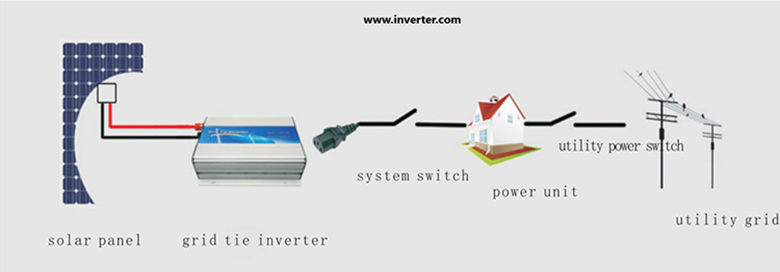
An inverter is a crucial component that ensures the correct functioning of your solar panel system. It’s essentially a metal box with multiple inputs and outputs for the cables connecting to your system. The primary function of an inverter is to convert direct current (DC) from the solar panels into alternating current (AC), which is what most households and businesses use.
Think of it like a translator: just as a human translator converts words from one language to another, an inverter translates DC power from the solar panels into AC power that can be used by your devices.
Why Do You Need an Inverter?
To understand why you need an inverter, let’s consider what happens when you connect solar panels directly to your household electrical system. Since solar panels produce DC power and most electrical appliances require AC power, you’d end up with a direct current that can damage or even destroy your devices.
An inverter acts as a bridge between the two systems, converting the DC power into AC power that’s safe for use. This ensures efficient energy transfer and minimizes losses during transmission.
Key Features of an Inverter
In addition to converting DC to AC power, inverters have several other important functions:
- Protection: They protect your system from damage caused by overvoltage, overcurrent, or short circuits.
- Monitoring: Many modern inverters come equipped with monitoring systems that track energy production, consumption, and other vital metrics.
- Grid Connection: Inverters can connect to the grid, allowing you to sell excess energy back to the utility company.
Choosing the Right Inverter for Your Solar Panel System
With so many options available, selecting the right inverter can be overwhelming. Here are some key factors to consider:
- Efficiency: Look for inverters with high efficiency ratings (usually above 95%) to minimize energy losses.
- Capacity: Choose an inverter that matches your system’s capacity to ensure optimal performance.
- Monitoring and Control: Consider inverters with advanced monitoring systems that allow you to track your energy production and consumption remotely.
Element Energia’s Recommendation: Solaredge
We partnered with Element Energia to install a solar panel system, and they recommended Solaredge as their top-of-the-line inverter. We’ll dive deeper into why we chose Solaredge and what sets it apart from other inverters on the market.
Solaredge is an Israeli company that specializes in developing intelligent inverters for solar panel systems. Their inverters are known for their high efficiency, advanced monitoring capabilities, and sleek design. In fact, they’ve been recognized by leading industry organizations for their innovative products and commitment to sustainability.
The Benefits of Solaredge’s Intelligent Inverters
Solaredge’s inverters boast several key features that set them apart from the competition:
- Ottimizzatori di potenza: Their inverters come equipped with tiny “power optimizers” that boost efficiency by up to 10% compared to traditional systems.
- Flessibilità nella progettazione dell’impianto: Solaredge’s inverters allow for more flexibility in system design, enabling users to create complex configurations and reduce costs.
- Monitoraggio avanzato: Their monitoring systems provide real-time insights into energy production, consumption, and other vital metrics, making it easier to optimize your solar panel system.
Additional Features to Consider
In addition to efficiency, capacity, and monitoring capabilities, there are several other factors to consider when choosing an inverter:
- Warranty: Look for inverters with comprehensive warranties that cover parts and labor for a minimum of 10 years.
- Scalability: Choose an inverter that can accommodate future expansions or upgrades to your solar panel system.
- Environmental Impact: Consider the environmental impact of the inverter, including its energy efficiency, noise levels, and recyclability.
Common Inverter Types
There are several types of inverters available, each with its own strengths and weaknesses:
- Monocrystalline Inverters: These inverters use monocrystalline silicon to produce high-efficiency DC power.
- Polycrystalline Inverters: Polycrystalline inverters use a combination of copper and aluminum to produce moderate-efficiency DC power.
- Thin-Film Inverters: Thin-film inverters use a thin layer of photovoltaic material to produce low-cost, high-efficiency DC power.
Inverter Brands
There are several reputable brands available in the market:
- Solaredge: Known for their high-efficiency inverters with advanced monitoring capabilities.
- Enphase Energy: Offers a range of inverters with built-in energy storage capabilities.
- Tesla: Provides high-performance inverters with integrated energy storage and smart home integration.
Conclusion
Choosing the right inverter for your solar panel system is crucial for maximizing efficiency and minimizing losses. By understanding what an inverter does, considering key factors like efficiency, capacity, and monitoring capabilities, and exploring different options, you can make an informed decision that meets your specific needs.
We hope this comprehensive guide has provided valuable insights into inverters and Solaredge’s intelligent inverters. If you have any questions or would like to explore further, don’t hesitate to contact us at idee.green.it or give us a call at 02 4531447.
Frequently Asked Questions
Q: What is the purpose of an inverter in a solar panel system?
A: An inverter converts direct current (DC) from solar panels into alternating current (AC), which is safe for use in households and businesses.
Q: Why do I need an inverter if I can connect solar panels directly to my household electrical system?
A: Connecting solar panels directly to your household electrical system would result in damage or destruction of your devices due to the mismatch between DC and AC power. An inverter acts as a bridge, converting DC power into AC power that’s safe for use.
Q: What features should I look for when choosing an inverter?
A: Look for inverters with high efficiency ratings (above 95%), matching capacity, and advanced monitoring systems that allow you to track energy production and consumption remotely.
Q: Why did Element Energia recommend Solaredge as their top-of-the-line inverter?
A: Solaredge’s inverters are known for their high efficiency, advanced monitoring capabilities, and sleek design. They’ve been recognized by leading industry organizations for their innovative products and commitment to sustainability.
Q: What sets Solaredge’s intelligent inverters apart from other options on the market?
A: Solaredge’s inverters come equipped with tiny “power optimizers” that boost efficiency by up to 10% compared to traditional systems, offer more flexibility in system design, and feature advanced monitoring capabilities.
Q: How do I choose the right inverter for my solar panel system?
A: Consider factors like efficiency, capacity, and monitoring capabilities when selecting an inverter. Research different options and consult with a professional installer if needed to ensure you make an informed decision that meets your specific needs.


