
As the world shifts towards renewable energy sources, Italy has been at the forefront of solar energy development. In this article, we’ll delve into the latest report on the state of solar energy in Italy for 2014, highlighting key trends and statistics.
Introduction to the Solar Energy Report 2014
The sixth edition of the Solar Energy Report 2014 was published by the Energy & Strategy Group at the Politecnico di Milano. This report provides an in-depth analysis of the Italian solar energy market, including data on installed capacity, growth trends, and industry developments.
Solar Energy in Italy: Key Statistics
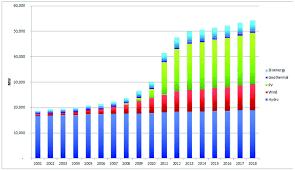
As of December 2013, there were over 550,000 operational solar power plants in Italy, with a total installed capacity of 17.9 GW. This represents a significant increase from the previous year.
- New Installations: In 2013, approximately 1.45 GW of new solar power plants were connected to the grid.
- Incentivized vs. Non-Incentivized Plants: Among these new installations, 21% are incentivized under the Conto Energia program, while the remaining 79% are non-incentivized.
Residential Solar Energy in Italy
The residential sector accounts for a significant portion of the Italian solar energy market, with 36% of installed capacity attributed to this segment. However, it’s worth noting that 64% of these installations are not incentivized under the Conto Energia program.
- Detracting Fiscally: Homeowners and businesses often opt for detraction as a means of support after incentives have been eliminated.
- Growing Trend: The trend towards residential solar energy is expected to continue, driven by declining costs and increased awareness about renewable energy sources.
Commercial and Industrial Solar Energy in Italy
The commercial and industrial sectors are also experiencing significant growth, with 40% of the market attributed to these segments. To achieve high levels of self-consumption, these installations often require larger capacities.
- Storage Systems: As technology advances, storage systems are becoming increasingly important for commercial and industrial solar energy applications.
- Efficient Systems: The adoption of efficient systems will drive growth in this sector, with more than 50% of the market expected to be comprised of commercial and industrial installations by 2020.
Chinese Solar Energy in Italy
China has emerged as a major player in the Italian solar energy market, accounting for 31% of installed capacity. In 2013 alone, China increased its share of installed solar power plants by 100%.
- Import Growth: The growth of Chinese imports is attributed to domestic demand and increasing investments.
Government Policies and Support
The Italian government has implemented various policies to support the growth of the solar energy sector, including the Conto Energia program. However, critics argue that these programs have been ineffective in incentivizing installations due to bureaucratic delays and high administrative costs.
- Conto Energia Program: The Conto Energia program aims to promote renewable energy sources like solar power by offering incentives for new installations.
- Tax Credits: The Italian government has also introduced tax credits for companies that invest in renewable energy projects, including solar power plants.
Challenges Facing the Solar Energy Market
Despite its growth potential, the solar energy market in Italy faces several challenges, including high administrative costs and bureaucratic delays. These issues can discourage investors and hinder the development of new installations.
- Regulatory Framework: The Italian regulatory framework for renewable energy sources like solar power is complex and often contradictory.
- Incentive Schemes: The incentives offered by government programs like Conto Energia have been criticized for being ineffective due to bureaucratic delays and high administrative costs.
Opportunities for Innovation
The Italian solar energy market presents several opportunities for innovation, including the development of more efficient energy storage systems and the integration of renewable energy sources with smart grids. These innovations can help drive growth in the sector and make it more sustainable.
- Energy Storage Systems: The development of more efficient energy storage systems is crucial for commercial and industrial solar energy applications.
- Smart Grids: The integration of renewable energy sources with smart grids can help optimize energy production and reduce costs.
Conclusion
The Italian solar energy market continues to grow, driven by declining costs, increased awareness, and technological advancements. However, the sector also faces several challenges, including high administrative costs and bureaucratic delays. To address these challenges and capitalize on opportunities for innovation, policymakers and industry stakeholders must work together to create a more supportive regulatory framework.
Recommendations
Based on our analysis of the Italian solar energy market, we recommend the following actions:
- Streamline Regulatory Processes: Policymakers should streamline regulatory processes to reduce bureaucratic delays and make it easier for investors to develop new installations.
- Increase Transparency in Incentive Schemes: The government should increase transparency in incentive schemes like Conto Energia to ensure that they are effective in promoting new installations.
- Target Support for Low-Income Households: Policymakers should target support for low-income households and marginalized communities to help them access affordable renewable energy sources like solar power.
- Invest in Research and Development: The government should invest in research and development to improve the efficiency of solar panels and energy storage systems, reducing costs and increasing the competitiveness of the sector.
By implementing these recommendations, Italy can create a more supportive regulatory framework for the solar energy sector, driving growth and innovation while promoting sustainability.


