
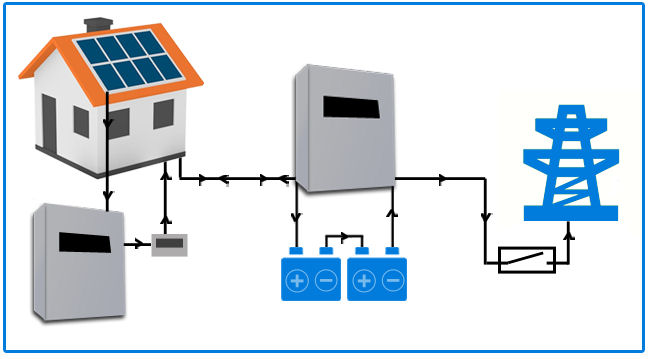
When designing a solar photovoltaic (PV) system, especially an off-grid stand-alone system, it’s essential to choose the right battery bank. While specialized PV batteries are available, cost-conscious individuals can opt for multiple standard battery models and connect them in series or parallel to achieve the desired capacity.
In this article, we’ll explore the most common types of batteries used in solar photovoltaic systems, their characteristics, and benefits.
Battery Types for Solar Photovoltaic Systems
1. Lead-Acid Batteries (Pb)
Lead-acid batteries are widely used in automotive applications and are also suitable for solar PV systems. They’re relatively inexpensive, with a lower upfront cost compared to specialized PV batteries. However, they have some drawbacks:
- Safety concerns: Lead is a toxic metal that can pose health risks if not handled properly.
- Weight and size: Lead-acid batteries are heavy and take up significant space.
- Limited lifespan: They lose capacity after multiple charge-discharge cycles.
2. Gel Batteries
Gel batteries use a gel-like electrolyte instead of traditional liquid acid, making them more spill-proof and reducing maintenance needs. While they offer:
- Higher durability: Gel batteries can withstand deeper discharges and have a longer lifespan (up to three times that of traditional lead-acid batteries).
- Elevated cycle life: They support multiple charge-discharge cycles without significant degradation.
- Lower self-discharge rate: Gel batteries retain their charge for longer periods, reducing the need for frequent recharging.
However, they also have some limitations:
- Higher upfront cost
- Potential for gel leakage
3. Absorbent Glass Mat (AGM) Batteries
AGM batteries are designed to be more compact and durable than traditional lead-acid batteries. They’re resistant to vibrations, shock, and extreme temperatures. Key benefits include:
- Longer lifespan: AGM batteries have a median life expectancy of around 10 years.
- Higher capacity: They support higher charge rates and offer increased energy storage capabilities.
Despite their advantages, AGM batteries also come with some drawbacks:
- Higher upfront cost compared to traditional lead-acid batteries
- Potential for reduced capacity after deep discharges
Connecting Multiple Batteries in Series or Parallel
When selecting multiple standard battery models, you can connect them in series or parallel to achieve the desired capacity and voltage.
Connection Options:
| Series Connection | Parallel Connection | |
|---|---|---|
| Voltage Boost: Increases voltage of individual batteries | Reduces overall system voltage | Maintains original system voltage |
| Capacity Increase: Increases total system capacity | Maintains original system capacity | Decreases overall system capacity |
Battery Placement and Orientation
Battery placement and orientation can significantly impact their performance and lifespan. Here are some tips to consider:
- Placement: Place batteries in a well-ventilated area, away from heat sources, and with good access for maintenance.
- Orientation: Mount batteries with the positive terminal facing upwards to minimize self-discharge.
Battery Maintenance
Regular maintenance is crucial to ensure optimal battery performance and extend their lifespan. Here are some tips:
- Check water levels: Regularly inspect the electrolyte levels in lead-acid batteries and top them off as needed.
- Monitor temperature: Ensure batteries are stored or used in temperatures within the recommended range (15°C to 30°C).
- Clean the terminals: Use a soft brush or cloth to clean the battery terminals regularly.
Battery Charging Strategies
Battery charging strategies can impact their lifespan and overall system performance. Here are some tips:
- Use a charge controller: Install a charge controller that matches your system’s capacity and voltage requirements.
- Charge during the day: Charge batteries during peak sunlight hours to maximize energy storage.
- Avoid overcharging: Avoid overcharging, as it can reduce battery lifespan.
Battery Depth of Discharge (DOD)
Depth of discharge (DOD) refers to the percentage of battery capacity used. Here are some tips:
- Keep DOD below 50%: Try to keep the state of charge below 50% to prolong battery life.
- Avoid deep discharges: Avoid deeply discharging batteries, as it can reduce their lifespan.
Battery Recycling
Battery recycling is becoming increasingly important due to environmental concerns. Here are some tips:
- Recycle old batteries: Recycle old batteries with local recycling programs or designated facilities.
- Choose eco-friendly options: When purchasing new batteries, opt for eco-friendly options and choose manufacturers that use sustainable practices.
Conclusion
When choosing a battery bank for your solar photovoltaic system, consider factors like cost, durability, and capacity. While specialized PV batteries offer improved performance, multiple standard battery models can provide a cost-effective solution when connected in series or parallel.
FAQs
-
What is the recommended battery type for off-grid solar PV systems?
- Specialized PV batteries are often preferred due to their optimized performance and reliability.
-
Can I use lead-acid batteries for my solar PV system?
-
Yes, but consider their limitations, such as reduced lifespan and safety concerns.
-
How do I choose the right battery bank configuration for my solar PV system?
-
Consider factors like capacity, voltage, and overall system requirements to determine the best connection method (series or parallel).
-
What is the average lifespan of AGM batteries?
-
Around 10 years, depending on usage and environmental conditions.
-
Can I use gel batteries in my solar PV system?
-
Yes, but they may have a higher upfront cost compared to traditional lead-acid batteries.
-
How do I maintain AGM battery health?
-
Follow manufacturer guidelines for charging, discharging, and storage procedures to ensure optimal performance.
-
Can I use multiple standard battery models in my solar PV system?
-
Yes, but consider connecting them in series or parallel to achieve the desired capacity and voltage.
-
What are the benefits of using lead-acid batteries in solar PV systems?
-
They’re often less expensive than specialized PV batteries, with a lower upfront cost and adequate performance for small-scale applications.


