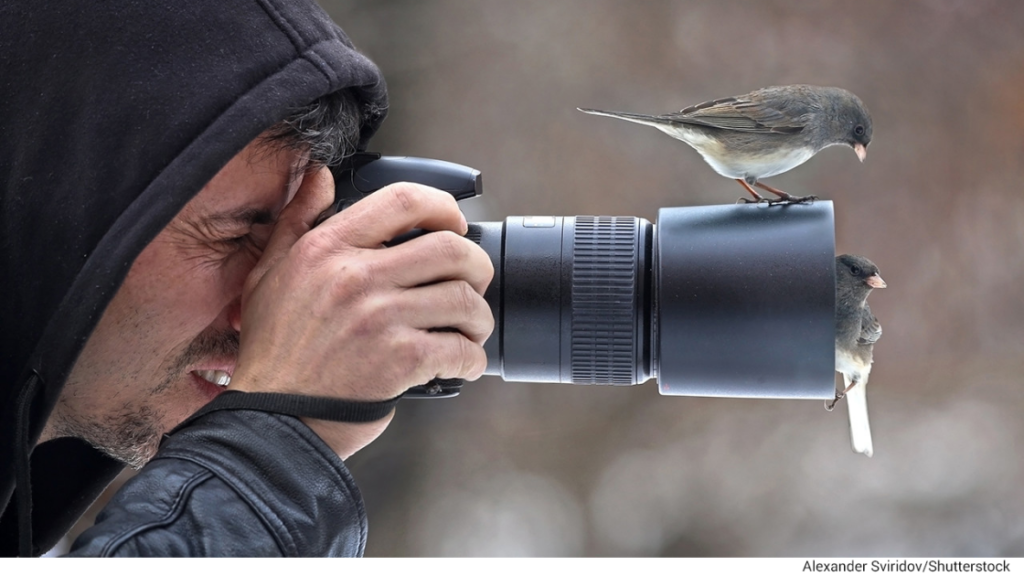
Are you an avid naturalist looking to capture the beauty of birds through photography? With the growing number of enthusiasts in this field, it’s no wonder that birdwatching has become a popular pastime. But what does it take to take stunning photos of these feathered friends?
Setting Up the Right Gear: A Bird’s Eye View
Before you start snapping away, it’s essential to choose the right equipment for capturing those elusive birds. As any seasoned naturalist will tell you, blending in with your surroundings is key to getting up-close shots without scaring off your subjects.
To create a comfortable and discreet vantage point, consider investing in a sturdy camera tripod or stabilizer. This will allow you to position yourself comfortably while keeping an eye out for those winged wonders. For added stability, consider using a remote shutter release or the camera’s self-timer feature.
Understanding the Equipment: A Camera’s Best Friend
When it comes to choosing the right equipment for bird photography, there are several key factors to consider. The type of shots you want to capture will influence your camera and lens choices. Do you want to focus on stationary birds or capturing birds in mid-air? The answer will determine whether a telephoto lens is right for you.
Telephoto lenses offer an excellent way to capture distant subjects without disturbing them. When choosing a telephoto lens, consider the focal length and aperture. A longer focal length (e.g., 200mm) provides greater magnification, while a wider aperture (e.g., f/2.8) allows more light into the camera.
Choosing the Right Camera Body: A Bird’s Perch
When selecting a camera body for bird photography, look for models with interchangeable lenses and good autofocus capabilities. Reflex cameras, in particular, are well-suited for this type of photography, as they allow you to quickly switch between different lenses.
The Canon EOS 600D is an excellent choice for beginners, offering high image quality at an affordable price. If you’re looking to invest in a newer model, consider the Canon EOS 700D or 750D, which offer improved autofocus and weather sealing.
Lens Selection: Finding Your Focal Point
When it comes to selecting lenses for bird photography, there are several options to choose from. Telephoto lenses (e.g., 200mm) provide excellent magnification and are ideal for capturing distant subjects. However, they can also be quite expensive.
If you’re looking for a more affordable option, consider using a prime lens with a wide aperture (e.g., f/1.4). This will allow you to capture sharper images and create beautiful bokeh effects in the background.
The Flash: Imitating Nature
When it comes to lighting your subject, consider using natural light whenever possible. However, if you’re shooting in low-light conditions or want to add a pop of color to your image, consider investing in a flash unit.
While a dedicated flash can be expensive, there are also more affordable options available. Consider using an external flash unit with a remote trigger or the camera’s self-timer feature to minimize disruptions.
The Cavalletto: A Supportive Friend
When using long focal lengths or telephoto lenses, it’s essential to stabilize your camera and lens to avoid camera shake and blur. This is where a sturdy camera tripod or stabilizer comes in handy.
Consider investing in a high-quality tripod like the Manfrotto system, which offers excellent stability and flexibility. While this may be an additional expense, it will pay off in the long run with sharper images and reduced fatigue.
The Art of Bird Photography: A Technique Guide
So, how do you capture those elusive birds? Here are some tips to get you started:
- Patience is key: Take your time waiting for the perfect shot. Keep an eye out for movement and anticipate the bird’s actions.
- Timing is everything: Consider using a slow shutter speed (around 1/125s) to create a sense of motion in your image.
- Play with light: Experiment with different lighting conditions, such as backlight or sidelight, to add depth and interest to your images.
Tips for Capturing Birds in Flight
When it comes to capturing birds in mid-air, there are several techniques to try:
- Use a fast shutter speed: A faster shutter speed (around 1/1000s) will help freeze the motion of the bird.
- Anticipate the flight path: Look for birds that are about to take off or land, as these moments often provide the most dramatic shots.
- Experiment with different angles: Consider shooting from low or high angles to add a sense of drama and interest to your images.
Capture Birds in Motion
Bird photography can be all about capturing the perfect moment. With practice, you’ll become more comfortable anticipating their movements and capture stunning photos.
Consider using a slow shutter speed (around 1/125s) to create a sense of motion in your image. This will help blur the background while keeping the bird sharp.
Get Up Close
Bird photography is all about getting up close and personal with your subject. Consider investing in a telephoto lens (e.g., 200mm) or prime lens (e.g., f/1.4).
This will allow you to capture stunning images of birds without disturbing them. Just be sure to use a fast shutter speed (around 1/1000s) to freeze the motion.
Shoot in Portrait Mode
Portrait mode can help create a more intimate connection with your subject. Consider using a prime lens (e.g., f/1.4) or telephoto lens (e.g., 200mm).
This will allow you to capture stunning images of birds without distorting their features.
Tips for Shooting Birds in Low Light
Shooting in low light can be challenging, but there are several techniques to try:
- Use a fast shutter speed: A faster shutter speed (around 1/1000s) will help freeze the motion of the bird.
- Anticipate the light source: Look for birds that are near a light source, as this can provide additional illumination.
- Experiment with different angles: Consider shooting from low or high angles to add depth and interest to your images.
Conclusion
Bird photography is an art form that requires patience, skill, and attention to detail. By understanding the right equipment, techniques, and timing, you’ll be well on your way to capturing stunning photos of these feathered friends. Remember to experiment with different angles, lighting conditions, and shutter speeds to add depth and interest to your images.
Frequently Asked Questions
- What is the best type of camera for bird photography?
- A reflex camera with interchangeable lenses is ideal for bird photography.
- How do I choose a telephoto lens for bird photography?
- Consider the focal length and aperture when selecting a telephoto lens. A longer focal length provides greater magnification, while a wider aperture allows more light into the camera.
- What is the best way to stabilize my camera and lens when using long focal lengths or telephoto lenses?
- Use a sturdy tripod or stabilizer, such as the Manfrotto system, to ensure stability and reduce camera shake.
- How do I capture birds in mid-air?
- Use a fast shutter speed (around 1/1000s) to freeze the motion of the bird. Anticipate the flight path and experiment with different angles to add drama and interest to your images.
By following these tips and techniques, you’ll be well on your way to capturing stunning photos of birds in all their glory. Happy snapping!