
As a pregnant woman, it’s essential to be aware of the potential risks associated with deep vein thrombosis (DVT), also known as flebite. DVT is a blood clot that forms in a deep vein, typically in the legs or arms. Although rare, DVT can be life-threatening if left untreated.
What are Deep Vein Thrombosis and Tromboflebite?
Deep vein thrombosis (DVT) occurs when a blood clot forms in a deep vein, usually in the legs or arms. This condition is more common during pregnancy due to various factors, including:
- Increased risk of blood clots
- Swelling and pain in the affected leg
- Fever and redness
Tromboflebite is a specific type of DVT that occurs when the blood clot causes inflammation and swelling in the affected vein.
Symptoms of Deep Vein Thrombosis During Pregnancy
If you suspect you have DVT or tromboflebite, look out for these symptoms:
- Sudden pain or discomfort in the leg, arm, or buttock
- Swelling or redness in the affected area
- Warmth or heat in the affected limb
- Pale or cool skin
- Shortness of breath
If you experience any of these symptoms, seek medical attention immediately.
Diagnosing Deep Vein Thrombosis During Pregnancy
To diagnose DVT during pregnancy, your doctor may perform:
- Physical examination: Your doctor will examine the affected area to check for swelling, redness, and warmth.
- Blood tests: Your doctor may order blood tests to check for blood clotting disorders or other underlying conditions.
- Ultrasound: An ultrasound scan can help detect a blood clot in the deep veins.
Causes of Deep Vein Thrombosis During Pregnancy
Certain factors increase your risk of developing DVT during pregnancy:
- Family history of blood clots
- Previous history of DVT or pulmonary embolism (PE)
- Obesity
- History of smoking
- Sedentary lifestyle
- Long periods of standing or sitting
Risk Factors for Deep Vein Thrombosis During Pregnancy
In addition to the above factors, some women may be at higher risk of developing DVT during pregnancy due to:
- Multiple pregnancies
- First-time mothers
- Women with a history of migraines or fibromyalgia
- Women who have had previous DVT or PE
Treating Deep Vein Thrombosis During Pregnancy
Treatment for DVT typically involves:
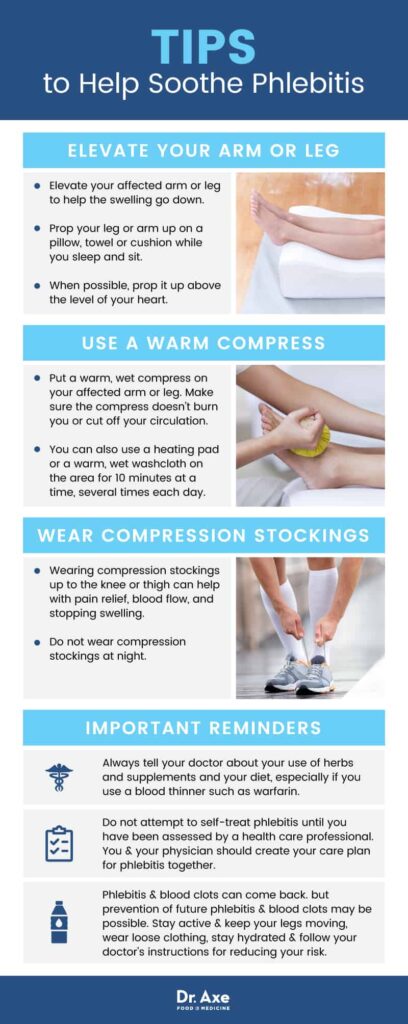
- Rest and elevation: Elevate the affected leg to reduce swelling and pain.
- Warm compresses: Apply a warm compress to the affected area to promote blood flow.
- Anticoagulant medication: Your doctor may prescribe anticoagulant medication to prevent further clotting.
- Farmaco fluidificante del sangue (eparina): In some cases, your doctor may recommend epinephrine to dissolve the blood clot.
Preventing Deep Vein Thrombosis During Pregnancy
To reduce your risk of DVT during pregnancy:
- Stay active and move regularly
- Avoid prolonged periods of standing or sitting
- Wear compression stockings to improve circulation
- Quit smoking
Lifestyle Changes for Pregnant Women at Risk of Deep Vein Thrombosis
If you are at risk of developing DVT, consider the following lifestyle changes:
- Take regular breaks to stand up and move around
- Avoid crossing your legs or ankles
- Wear compression stockings
- Elevate your legs regularly
- Avoid tight clothing that can restrict blood flow
Medical Treatment for Deep Vein Thrombosis During Pregnancy
If you are diagnosed with DVT, your doctor may recommend medical treatment to prevent complications. This may include:
- Anticoagulant medication to prevent further clotting
- Eparina to dissolve the blood clot
- Blood thinners to reduce the risk of pulmonary embolism (PE)
Surgical Treatment for Deep Vein Thrombosis During Pregnancy
In some cases, surgical treatment may be necessary to treat DVT. This may include:
- Phlebectomy: a surgical procedure to remove the affected vein
- Atherectomy: a surgical procedure to remove a blood clot from a deep vein
Conclusion
Deep vein thrombosis (DVT) is a serious condition that can occur during pregnancy. By understanding the symptoms, causes, diagnosis, treatment, and prevention methods, you can reduce your risk of developing DVT and ensure a healthy pregnancy.
Frequently Asked Questions (FAQs)
- What are the most common symptoms of deep vein thrombosis?
Sudden pain or discomfort in the leg, arm, or buttock, swelling or redness in the affected area, warmth or heat in the affected limb, pale or cool skin. - How is deep vein thrombosis diagnosed during pregnancy?
Your doctor may perform a physical examination, blood tests, and ultrasound scans to diagnose DVT. - What are the causes of deep vein thrombosis during pregnancy?
Family history of blood clots, previous history of DVT or PE, obesity, smoking, sedentary lifestyle, long periods of standing or sitting. - Can deep vein thrombosis be treated with home remedies?
No, DVT requires medical attention and treatment to prevent complications. - How can I reduce my risk of developing deep vein thrombosis during pregnancy?
Stay active, avoid prolonged periods of standing or sitting, wear compression stockings, quit smoking. - Can deep vein thrombosis affect the baby during pregnancy?
In rare cases, DVT may increase the risk of complications for the baby. However, most cases do not harm the fetus. - How long does it take to recover from deep vein thrombosis during pregnancy?
Recovery time varies depending on the severity of the condition and treatment. Your doctor will provide guidance on when you can resume normal activities. - Can I continue exercising while pregnant if I have deep vein thrombosis?
Consult your doctor before engaging in any physical activity, as they may recommend modified exercises or avoid certain activities altogether.


