
Introduction
Phenylalanine is an essential amino acid found in many proteins, both animal and plant-based. It plays a crucial role in our health when consumed in the right amounts. In this article, we will delve into the world of phenylalanine, exploring its history, uses, benefits, and potential risks.
What is Phenylalanine?
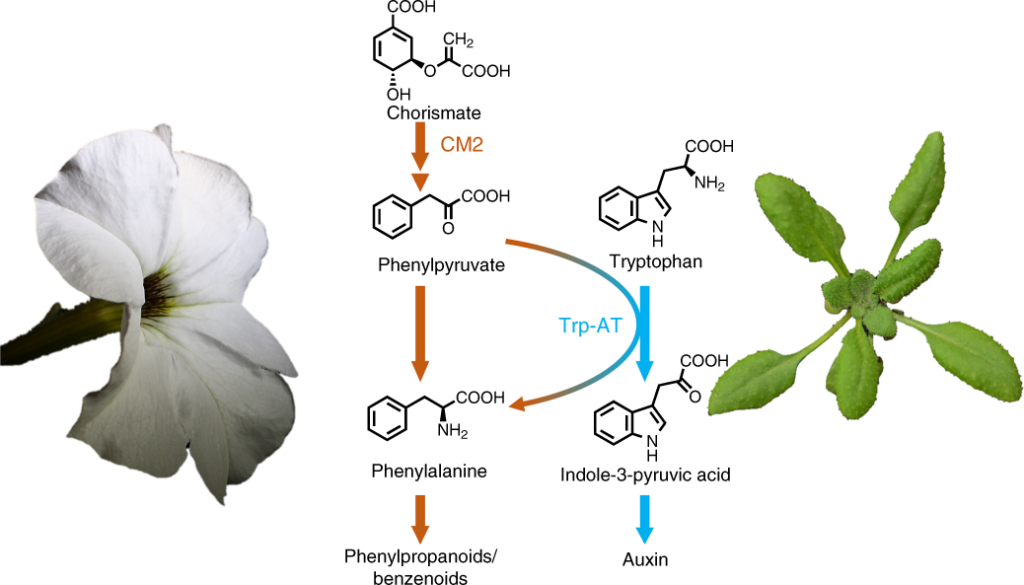
Phenylalanine is an alpha-amino acid aromatic, neutral, and non-polar (hydrophobic), with the chemical formula C9H11NO2. It is a key component in the synthesis of flavonoids and other compounds found in plants.
History of Phenylalanine Research
The discovery of phenylalanine dates back to 1879, when Schulze and Barbieri identified it in the seeds of the yellow lupin plant (Lupinus luteus). Later, Erlenmeyer and Lipp synthesized the amino acid in 1882 using a combination of chemical reactions. The discovery of the genetic code for phenylalanine in 1961 marked a significant breakthrough in our understanding of protein synthesis.
Phenylalanine: A Building Block of Proteins
Phenylalanine plays a vital role in the synthesis of proteins, including plastics, enzymes, hormones, and neurotransmitters. As a left-handed amino acid, it acts as a structural backbone for proteins, making it an essential component of all living organisms.
Phenylalanine: A Precursor to Neurotransmitters
Phenylalanine is also a precursor to several important neurotransmitters, including dopamine, norepinephrine, and epinephrine. These neurotransmitters play critical roles in regulating various bodily functions, such as mood, appetite, and stress response.
Phenylalanine: Food Sources
Phenylalanine can be found in a variety of foods, including:
- Meat (chicken, beef, pork)
- Organs (liver, kidney)
- Fish
- Eggs
- Dairy products
- Legumes (soybeans)
Phenylalanine: Supplements and Integrators
Phenylalanine is also used in dietary supplements and integrators, particularly for its analgesic and antidepressant properties. However, individuals with phenylketonuria (PKU), a genetic disorder affecting the metabolism of phenylalanine, should avoid consuming products containing this amino acid.
Producing Phenylalanine: A Industrial Process
Phenylalanine is produced industrially using genetically modified bacteria, such as Escherichia coli, which can synthesize various amino acids, including phenylalanine. This process has significant implications for the food and pharmaceutical industries.
Applications of Phenylalanine
Phenylalanine has a wide range of applications in various fields, including:
- Pharmaceuticals: Phenylalanine is used as an excipient in some medications, such as pain relievers and antidepressants.
- Nutrition: Phenylalanine is a key component in protein powders and supplements, particularly for athletes and bodybuilders.
- Plastics: Phenylalanine is used as a building block in the production of certain plastics, such as nylon and polycarbonate.
Phenylalanine: Health Benefits
Consuming phenylalanine in moderation can have several health benefits, including:
- Pain relief: Phenylalanine has analgesic properties, making it a potential treatment for chronic pain.
- Mood enhancement: Phenylalanine is converted into neurotransmitters like dopamine and serotonin, which play critical roles in regulating mood and emotional response.
- Weight management: Phenylalanine can help regulate appetite and metabolism, leading to weight loss and improved body composition.
Potential Risks of Consuming Phenylalanine
While phenylalanine is generally considered safe when consumed in moderation, there are potential risks associated with excessive intake:
- Phenylketonuria (PKU): Individuals with PKU should avoid consuming phenylalanine-containing products, as it can lead to serious health complications.
- Blood sugar regulation: Phenylalanine can affect blood sugar levels, particularly in individuals with diabetes or prediabetes.
- Interactions with medications: Phenylalanine may interact with certain medications, such as MAOIs (monoamine oxidase inhibitors), and substances like alcohol or caffeine.
Conclusion
In conclusion, phenylalanine is a vital amino acid that plays a crucial role in our health when consumed in moderation. Its history, uses, benefits, and potential risks have been explored in this article. As we continue to learn more about this essential amino acid, it is clear that phenylalanine will remain an important area of research and development.
Frequently Asked Questions
Q: What is the difference between L-phenylalanine and D-phenylalanine?
A: L-phenylalanine is the naturally occurring form of the amino acid, while D-phenylalanine is a synthetic variant used in some pharmaceutical applications.
Q: Can phenylalanine be produced synthetically?
A: Yes, phenylalanine can be synthesized using various chemical reactions and enzymes. However, this process is complex and expensive.
Q: Is it safe to consume high amounts of phenylalanine?
A: Consuming excessive amounts of phenylalanine can lead to adverse health effects, including phenylketonuria (PKU) and other metabolic disorders.
Q: Can phenylalanine be used as a treatment for anxiety or depression?
A: While some studies suggest that phenylalanine may have anxiolytic and antidepressant properties, more research is needed to fully understand its effects on human health.
Q: Are there any potential side effects of taking phenylalanine supplements?
A: Possible side effects of taking phenylalanine supplements include headaches, dizziness, and nausea. However, these effects are generally mild and temporary.
Q: Can phenylalanine interact with other medications or substances?
A: Phenylalanine may interact with certain medications, such as MAOIs (monoamine oxidase inhibitors), and substances like alcohol or caffeine. It is essential to consult a healthcare professional before taking phenylalanine supplements.


