
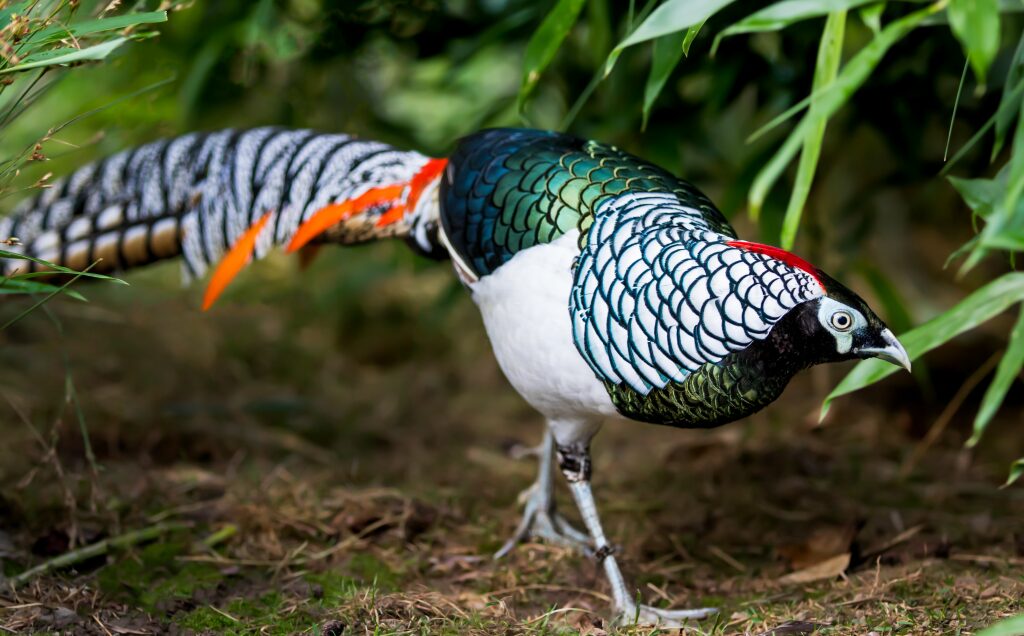
Are you interested in starting a pheasant farm? With proper planning and care, you can expect excellent results from your birds. In this article, we will discuss the best practices for raising pheasants, including the ideal time to start an operation, selecting healthy birds, creating a suitable environment, and providing adequate nutrition.
Choosing the Right Time to Start
The best time to begin a pheasant farm is in late autumn. This allows you to acquire young birds that can be bred for two cycles of production per year, resulting in approximately 60 pheasants. The timing also provides an opportunity to prepare the necessary facilities and supplies before introducing the birds.
Selecting Healthy Birds
When purchasing pheasants, ensure they come from reputable breeders and are healthy. Inspect the birds for any signs of illness or injury before bringing them home. Key indicators include:
- No scurvy or discharge around the eyes, nose, or vent
- No visible signs of diarrhea in the undercarriage
- Active movement and rapid reactions to stimuli
- Good overall physical condition
Avoid purchasing birds with injuries, such as beak damage.
Initial Setup
Before introducing the pheasants to their new home, you will need to set up several essential facilities:
- A breeding enclosure for the male pheasant to mate with the hens
- An aviary or enclosure for raising young birds (pulchins)
- An incubator for egg development
To ensure a healthy start, keep in mind that pulchins require an enclosed environment to prevent stress and disease.
Introducing the Pheasants
Once you have set up your facilities, it’s time to bring home your pheasants. Here’s a step-by-step guide:
- Separate the male from the hens
- Place the female in the breeding enclosure immediately
- Keep the male isolated until mid-February
- Release the male with the females in late February or early March
- Allow the birds to breed for two cycles of production
After the second cycle, remove the male and let the females molt naturally.
Feeding Your Pheasants
Proper nutrition is essential for your pheasant farm. Use high-quality feed specifically formulated for game birds. Additionally, consider supplementing their diet with live insects like worms or other invertebrates to provide added nutrients.
Maintaining a balanced diet will help promote healthy growth and prevent disease.
Other Considerations
- For maximum productivity, replace male pheasants every 12 months
- Replace female hens every 2 years
- Regularly monitor your flock for signs of illness or injury
By following these guidelines, you can establish a successful pheasant farm that provides excellent results.
Other Interesting Projects
If you’re interested in expanding your poultry farm beyond pheasants, here are some alternatives:
- Raising rabbits
- Breeding domestic turkeys
- Keeping oyster eggs
Each of these projects presents unique challenges and opportunities for growth. By exploring these options, you can create a diverse and thriving poultry operation.
Initial Investment Costs
The initial investment costs associated with starting a pheasant farm include:
- Purchasing the birds: $100-$200 per bird
- Building the necessary enclosures and facilities: $5,000-$10,000
- Feed and supplements: $500-$1,000 per year
These costs are essential to establishing a successful pheasant farm.
Potential Revenue Streams
A well-managed pheasant farm can generate significant revenue through:
- Game bird sales: $2,000-$5,000 per pair
- Breeding stock sales: $1,000-$3,000 per pair
- Eggs and meat sales (for oyster eggs or domestic turkeys): $500-$2,000 per year
These revenue streams can help offset the initial investment costs and provide a sustainable source of income.
Marketing Your Pheasants
To effectively market your pheasants, consider the following strategies:
- Networking with other farmers and hunters
- Participating in local auctions and sales events
- Building relationships with game bird enthusiasts and collectors
By leveraging these marketing channels, you can increase demand for your pheasants and establish a strong reputation as a reputable breeder.
Conclusion
Starting a pheasant farm requires careful planning, attention to detail, and a commitment to providing optimal care. By following the guidelines outlined in this article, you can establish a successful operation that provides excellent results for years to come.


