
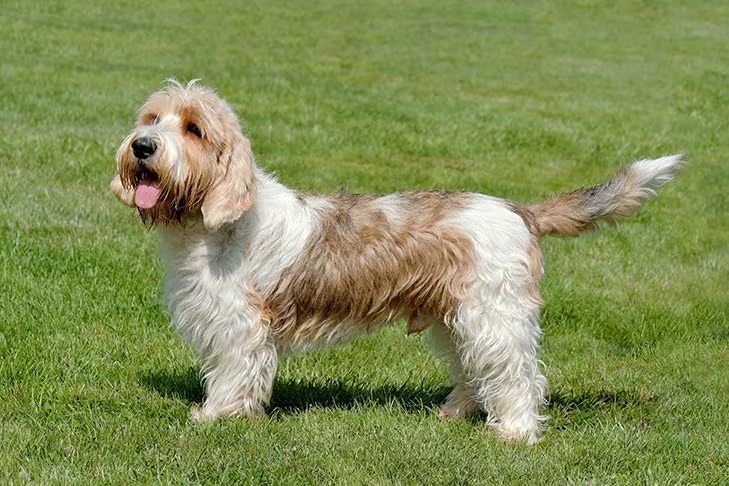
Are you looking for a furry friend that’s equal parts affectionate, energetic, and intelligent? Look no further than the Petit Basset Griffon Vendéen (PBGV). This charming breed has won over the hearts of many dog enthusiasts, and we’re excited to introduce you to its unique characteristics.
Origin Story
The PBGV originated from the “non petit,” or small version of the Grand Griffon Vendéen. While the larger version boasts a similar head shape, the PBGV’s body and limbs exhibit distinct morphological differences. The breed’s development can be attributed to French breeder Abel Dezamy, who also founded the Club specializing in this breed.
Rise to Fame
The PBGV gained popularity not only in France but also across Europe. Originally bred for hunting small game, many PBGVs have transitioned to become loving companions. Their adaptability and affectionate nature make them an ideal choice for families with children.
Characteristics: A Perfect Blend of Traits
The PBGV’s character is truly exceptional:
- Affectionate: They bond strongly with their family members, making them excellent companion dogs.
- Intelligent: PBGVs are highly responsive to training and enjoy pleasing their owners.
- Loyal: This breed stands by its family through thick and thin.
- Energetic: Despite being small, PBGVs possess a lively spirit that requires regular exercise.
Physical Characteristics: A Perfect Balance of Size and Build
The PBGV’s physical attributes are just as impressive:
- Size: Adults typically weigh between 15-20 kg (33-44 lbs) and stand approximately 34-38 cm (13.4-15 inches) tall at the shoulder.
- Muscle Tone: The breed boasts well-developed muscles, particularly in its hind legs.
- Coat: PBGVs have a short to medium-length coat that sheds moderately.
Cute Cuddles: What to Expect from a PBGV
PBGV puppies are born with features similar to those of adult dogs. Their ears are adorned with long hair, and their eyes sparkle with vitality. The puppy’s body is robust, with straight front legs and slightly rounded hindquarters. As they grow, their coat becomes less dense, but they retain their distinctive appearance.
Finding the Perfect Allevamento
In Italy, ENCI has recognized six official breeders for the PBGV. The majority of these breeders are located in Liguria, Tuscany, Lombardy, and Piemonte.
Cost and Purchase Considerations
When purchasing a PBGV puppy:
- Price: Be prepared to spend around 600 euros.
- Health Testing: Ensure that the breeder conducts thorough health tests to minimize genetic issues.
- Pedigree: A well-established pedigree is crucial for ensuring the dog’s quality and integrity.
Training Your New Puppy
As a responsible pet owner, it’s essential to provide your PBGV with proper training. Here are some tips to get you started:
- Establish a routine: Create a schedule that includes regular feeding times, exercise, and playtime.
- Socialization: Introduce your puppy to new people, environments, and experiences to help them develop social skills.
- Basic obedience training: Teach basic commands like “sit,” “stay,” and “come” using positive reinforcement techniques.
- Housebreaking: Establish a consistent potty routine to ensure your puppy learns to use the correct areas for elimination.
Additional Tips
Here are some additional tips for new PBGV owners:
- Provide adequate exercise: Regular walks, playtime, and mental stimulation can help prevent boredom and destructive behavior.
- Monitor health: Schedule regular veterinary check-ups to monitor your puppy’s health and catch any potential issues early.
- Show love and patience: Building trust with your new puppy requires time, effort, and understanding.
Conclusion
The PBGV has captured hearts worldwide with its unique blend of traits. Whether you’re an avid hunter or simply looking for a loving companion, this breed is sure to bring joy into your life.
Frequently Asked Questions
1. What are the advantages of owning a Petit Basset Griffon Vendéen?
Owning a PBGV comes with numerous benefits:
- Enhanced companionship
- Improved mental and physical health
- Increased energy levels
2. How much exercise does a PBGV require?
PBGVs need regular exercise to maintain their physical health and prevent boredom.
- Daily walks of about 30 minutes are recommended.
- Additional playtime outside the home can include fetch, hide-and-seek, or other activities that stimulate their natural hunting instincts.
3. Can PBGVs be left alone for extended periods?
While PBGVs are known to enjoy human companionship, they do require some attention and interaction. Leaving them alone for extended periods without proper care may lead to destructive behavior.
- Hiring a dog walker or asking a trusted neighbor to check in can help alleviate this issue.
- Providing puzzle toys filled with treats can keep your PBGV engaged when you’re away.
4. How often should I bathe my PBGV?
PBGVs have a short, smooth coat that sheds moderately. Bathing frequency depends on individual circumstances:
- Dogs exposed to dirt or debris may require more frequent bathing (every 2-3 months).
- Regular grooming can also reduce shedding and prevent matting.
5. Can PBGVs be trained for specific tasks?
Absolutely! PBGVs are intelligent and responsive to training. With patience, consistency, and positive reinforcement, they can learn a wide range of commands and behaviors:
- Basic obedience training: sit, stay, come.
- Advanced training: agility courses, tracking exercises, or scent work.
6. What health issues are commonly associated with PBGVs?
As with any breed, PBGVs may be susceptible to certain genetic and age-related conditions:
- Hip dysplasia
- Eye problems (e.g., cataracts)
- Allergies
Regular veterinary check-ups and a balanced diet can help minimize these risks.


