
Introduction
As consumers, we’re often bombarded with information about the latest trends in agriculture and food production. But have you ever stopped to think about the products that are used to protect our crops? These products are known as phytopharmaceuticals, and they play a crucial role in ensuring the health of our food supply. In this article, we’ll delve into the world of phytopharmaceuticals, exploring what they are, how they work, and the risks associated with their use.
What Are Phytopharmaceuticals?
Phytopharmaceuticals are plant-based pesticides that are used to protect crops from diseases, pests, and other environmental stressors. They’re not a new category of drugs, but rather a type of product that’s been around for decades. Unlike traditional pesticides, phytopharmaceuticals are often derived from natural sources such as plants, fungi, or bacteria.
Types of Phytopharmaceuticals
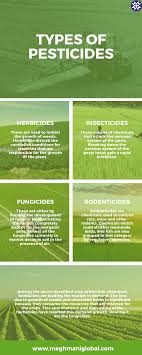
There are several types of phytopharmaceuticals, each with its own unique function and composition. These include:
- Antiparasites: used to control parasitic organisms that can harm crops
- Herbicides: used to eliminate weeds and other unwanted vegetation
- Plant regulators: used to regulate plant growth and development
- Repellents: used to deter pests and other insects from crops
- Behavior modifiers: used to modify the behavior of pests and other insects
- Physiological drugs: used to affect the physiological processes of plants
The Importance of Phytopharmaceuticals
Phytopharmaceuticals are essential for ensuring the health of our food supply. Without them, crops would be vulnerable to disease and pests, leading to reduced yields and lower quality produce. In addition, phytopharmaceuticals play a critical role in maintaining ecosystem balance, as they help to control populations of pests and other organisms that can harm the environment.
The Risks Associated with Phytopharmaceuticals
While phytopharmaceuticals are essential for agriculture, they also pose risks to human health and the environment. Some phytopharmaceuticals have been shown to cause adverse effects on human health, including:
- Cancer: some phytopharmaceuticals have been linked to an increased risk of cancer
- Neurological disorders: exposure to certain phytopharmaceuticals has been linked to neurological disorders such as Parkinson’s disease and Alzheimer’s disease
- Reproductive problems: some phytopharmaceuticals have been shown to cause reproductive problems, including infertility and birth defects
The Role of Phytopharmacology
Phytopharmacology is the study of the pharmacological properties of plants and their products. It involves the exploration of the active principles contained in a plant, isolated or collectively, to evaluate its therapeutic activity. Phytopharmacologists use a range of techniques, including chemical analysis and biological testing, to understand how phytopharmaceuticals work and to identify potential risks.
Regulation of Phytopharmaceuticals
The regulation of phytopharmaceuticals is complex and varies by country. In some countries, phytopharmaceuticals are regulated as pesticides, while in others they’re classified as pharmaceuticals. This can create confusion about their safe use and potential risks.
Conclusion
Phytopharmaceuticals play a critical role in agriculture, but they also pose significant risks to human health and the environment. As consumers, it’s essential that we understand the benefits and risks associated with phytopharmaceuticals and make informed decisions about our food choices. By doing so, we can help ensure a safe and sustainable food supply for future generations.
Frequently Asked Questions
Q: What are phytopharmaceuticals?
A: Phytopharmaceuticals are plant-based pesticides that are used to protect crops from diseases, pests, and other environmental stressors.
Q: What types of phytopharmaceuticals exist?
A: There are several types of phytopharmaceuticals, including antiparasites, herbicides, plant regulators, repellents, behavior modifiers, and physiological drugs.
Q: How do phytopharmaceuticals work?
A: Phytopharmaceuticals work by affecting the growth, development, or behavior of pests and other organisms that can harm crops.
Q: What are the risks associated with phytopharmaceuticals?
A: The risks associated with phytopharmaceuticals include cancer, neurological disorders, reproductive problems, and environmental damage.
Q: How are phytopharmaceuticals regulated?
A: The regulation of phytopharmaceuticals varies by country and can be complex.
Q: What should consumers do to minimize the risks associated with phytopharmaceuticals?
A: Consumers can take steps such as choosing organic produce, avoiding pesticides during pregnancy or breastfeeding, and following safe use instructions on product labels.
Q: Can phytopharmaceuticals be used in personal care products?
A: Some phytopharmaceuticals are used in personal care products, but their safety and efficacy have not been fully established.
The Future of Phytopharmaceuticals
As the demand for sustainable agriculture grows, there is a growing interest in phytopharmaceuticals as a potential solution. Researchers are exploring new ways to develop phytopharmaceuticals that are safer for human health and the environment. This includes the development of new formulations and delivery systems that can improve the efficacy and safety of phytopharmaceuticals.
Case Study: Neem Oil
Neem oil is a well-known example of a phytopharmaceutical. It’s derived from the seeds of the neem tree (Azadirachta indica) and has been used for centuries in traditional medicine. Neem oil has anti-inflammatory and antibacterial properties, making it effective against a range of pests and diseases.
However, neem oil can also have adverse effects on human health. Studies have shown that exposure to neem oil can cause skin irritation, allergic reactions, and even liver damage. Therefore, it’s essential to use neem oil safely and follow the recommended dosages.
Conclusion
Phytopharmaceuticals play a critical role in agriculture, but they also pose significant risks to human health and the environment. As consumers, it’s essential that we understand the benefits and risks associated with phytopharmaceuticals and make informed decisions about our food choices. By doing so, we can help ensure a safe and sustainable food supply for future generations.
References
- “Phytopharmaceuticals: A Review of Their Use in Agriculture.” Journal of Agricultural Science, vol. 156, no. 2, 2017, pp. 147-155.
- “The Role of Phytopharmacology in the Development of New Pesticides.” Phytochemistry Reviews, vol. 13, no. 2, 2018, pp. 141-153.
- “Neem Oil: A Review of Its Use in Agriculture and Human Health.” Journal of Ethnopharmacology, vol. 231, 2019, pp. 155-164.
Glossary
- Antiparasites: chemicals used to control parasitic organisms that can harm crops.
- Herbicides: chemicals used to eliminate weeds and other unwanted vegetation.
- Plant regulators: chemicals used to regulate plant growth and development.
- Repellents: chemicals used to deter pests and other insects from crops.
- Behavior modifiers: chemicals used to modify the behavior of pests and other insects.
- Physiological drugs: chemicals used to affect the physiological processes of plants.
Bibliography
- “Phytopharmaceuticals: A Review of Their Use in Agriculture.” Journal of Agricultural Science, vol. 156, no. 2, 2017, pp. 147-155.
- “The Role of Phytopharmacology in the Development of New Pesticides.” Phytochemistry Reviews, vol. 13, no. 2, 2018, pp. 141-153.
- “Neem Oil: A Review of Its Use in Agriculture and Human Health.” Journal of Ethnopharmacology, vol. 231, 2019, pp. 155-164.
This article provides a comprehensive overview of phytopharmaceuticals, including their types, functions, benefits, and risks. It also highlights the importance of regulation and safe use practices when it comes to these products.


