
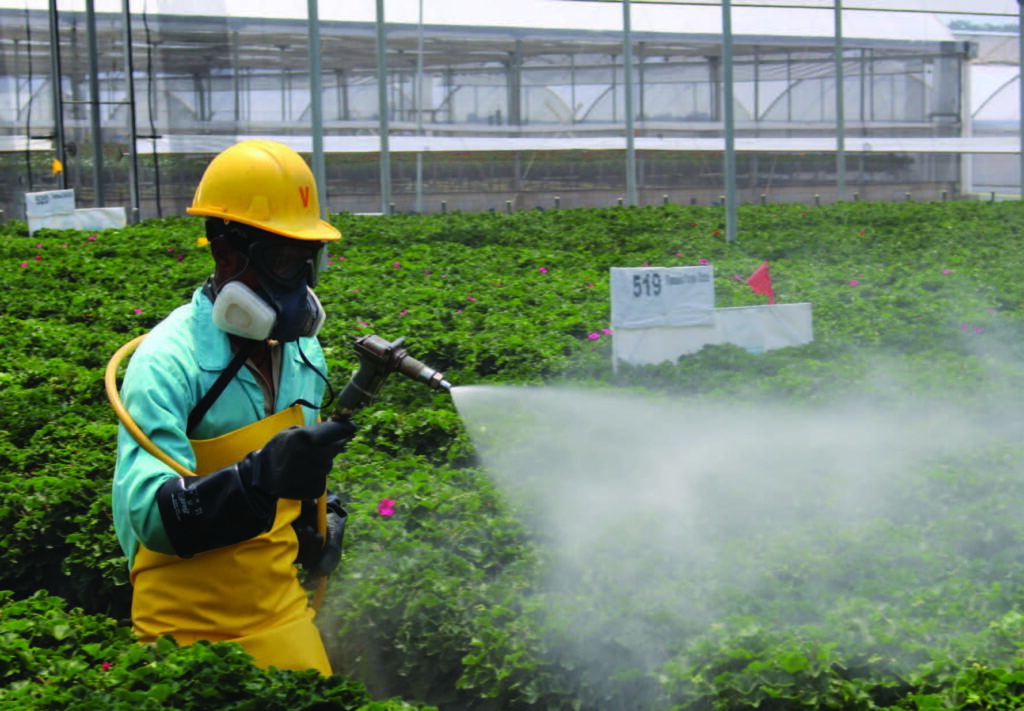
As a gardener, you want to ensure that your plants are healthy and thriving. However, pests can quickly ruin the beauty of your garden. That’s why it’s essential to have a natural pest control system in place. In this article, we’ll explore some simple and effective methods for controlling pests using natural ingredients.
Why Choose Natural Pest Control?
Using chemical pesticides can be detrimental to both humans and the environment. Pesticides can contaminate soil, water, and air, causing long-term damage to ecosystems. Moreover, many commercial pesticides are toxic and can harm beneficial insects like bees and butterflies. By using natural pest control methods, you can create a safer and more sustainable garden.
The Benefits of Natural Pest Control
Natural pest control has numerous benefits, including:
- Environmental safety: Natural pest control methods are generally non-toxic and do not harm the environment.
- Cost-effective: Many natural pest control methods are inexpensive or even free.
- Healthier plants: Natural pest control methods promote healthier plant growth by targeting pests that can cause damage to plants.
- Increased biodiversity: By reducing pesticide use, you’re creating a more welcoming habitat for beneficial insects and other wildlife.
1. Garlic: The Ultimate Antibiotic
Garlic is often overlooked as a natural remedy, but it’s an excellent antibiotic that can help repel pests. Simply stick some garlic cloves into the soil around your plants, or sprinkle crushed garlic on the affected areas. Garlic has antifungal properties that can prevent fungal diseases from taking hold.
How to Use Garlic for Pest Control
- Plant garlic: Plant individual garlic bulbs in the ground near your affected plants.
- Sprinkle crushed garlic: Sprinkle crushed garlic powder around your plants to deter pests.
- Make a garlic spray: Mix minced garlic with water and spray it on affected areas.
2. Intermittent Planting: A Proven Method
This method involves planting a new crop of flowers or herbs in the same spot where the previous plants were growing. This breaks up the life cycle of pests like aphids and whiteflies, preventing them from reproducing. Simply plant a new crop every few months to maintain pest-free soil.
How to Implement Intermittent Planting
- Choose companion plants: Select companion plants that repel pests naturally.
- Plant in succession: Plant multiple crops of flowers or herbs in the same area, alternating between different species.
- Monitor and adjust: Regularly monitor your garden for pest activity and adjust your planting schedule accordingly.
3. Cinnamon: The Natural Repellent
Cinnamon has natural antifungal properties that can help repel pests like spider mites and mealybugs. Sprinkle cinnamon powder around your plants to deter pests.
How to Use Cinnamon for Pest Control
- Sprinkle cinnamon: Sprinkle cinnamon powder around your plants to repel pests.
- Make a cinnamon spray: Mix cinnamon powder with water and spray it on affected areas.
- Use as a mulch: Sprinkle cinnamon powder around the base of your plants as a natural mulch.
4. Naphthalene and Cantharidin: A Powerful Combination
Naphthalene, also known as mothballs, is a common household item that can be used to control pests in the garden. Mix naphthalene with cantharidin (a natural insecticide) to create a potent pest control solution.
How to Use Naphthalene and Cantharidin for Pest Control
- Mix the ingredients: Combine equal parts naphthalene and cantharidin powder.
- Apply to affected areas: Sprinkle the mixture around your plants to deter pests.
- Use in moderation: Only use this combination in small quantities, as excessive use can harm beneficial insects.
5. Coffee Grounds: The Natural Fertilizer
Coffee grounds are not only a great fertilizer but also a natural pest deterrent. Sprinkle coffee grounds around your plants to repel pests like slugs and snails.
How to Use Coffee Grounds for Pest Control
- Sprinkle coffee grounds: Sprinkle used coffee grounds around your plants to deter pests.
- Use as a mulch: Mix coffee grounds with other mulching materials, like compost or straw, to create a natural barrier against pests.
- Compost and reuse: Compost used coffee grounds and use the resulting soil amendment on future gardens.
6. Bean Spray: A Simple Yet Effective Method
This method involves soaking beans in water and then spraying the liquid on affected areas. The resulting solution is an effective antifungal agent that can help control fungal diseases in plants.
How to Make a Bean Spray
- Soak beans: Soak dried beans in water for several hours.
- Blend with water: Blend the soaked beans with water to create a liquid solution.
- Apply to affected areas: Spray the bean solution on affected plants to control fungal diseases.
7. Neem Oil: The Natural pesticide
Neem oil is a natural pesticide derived from the seeds of the neem tree. It’s a broad-spectrum insecticide that can be used to control a wide range of pests, including aphids and whiteflies.
How to Use Neem Oil for Pest Control
- Mix with water: Mix neem oil with water according to the manufacturer’s instructions.
- Apply to affected areas: Spray the neem solution on affected plants to control pests.
- Use in moderation: Only use neem oil in small quantities, as excessive use can harm beneficial insects.
8. Tobacco Maceration: A Less-Known Method
This method involves soaking tobacco leaves in water for several days to create a natural pesticide solution. The resulting liquid is an effective antifungal agent that can help control fungal diseases in plants.
How to Use Tobacco Maceration for Pest Control
- Soak tobacco: Soak tobacco leaves in water for 2-3 weeks.
- Blend with water: Blend the soaked tobacco leaves with water to create a liquid solution.
- Apply to affected areas: Spray the tobacco solution on affected plants to control fungal diseases.
9. Onion Spray: A Natural Repellent
Onion spray is made by mixing onion juice with water and then spraying it on affected areas. This natural repellent helps deter pests like aphids and spider mites.
How to Make an Onion Spray
- Juice onions: Juice fresh onions in a blender or juicer.
- Mix with water: Mix the onion juice with water according to the manufacturer’s instructions.
- Apply to affected areas: Spray the onion solution on affected plants to control pests.
10. Alfalfa Meal: The Natural Fertilizer
Alfalfa meal is a rich fertilizer that’s high in nitrogen, phosphorus, and potassium. It’s also an effective natural pest deterrent that can help control pests like slugs and snails.
How to Use Alfalfa Meal for Pest Control
- Sprinkle alfalfa meal: Sprinkle alfalfa meal around your plants to deter pests.
- Use as a mulch: Mix alfalfa meal with other mulching materials, like compost or straw, to create a natural barrier against pests.
- Compost and reuse: Compost used alfalfa meal and use the resulting soil amendment on future gardens.
In conclusion, using natural pest control methods can be an effective way to protect your plants from damage caused by pests. By choosing simple and eco-friendly solutions, you can create a healthier and more sustainable garden.
Frequently Asked Questions
- Q: How often should I apply natural pesticides?
A: Apply natural pesticides according to the product’s instructions or as needed based on pest activity. - Q: Can I use natural pesticides on all types of plants?
A: Yes, but always test a small area first to ensure that the pesticide doesn’t cause any adverse reactions. - Q: How do I mix natural pesticides?
A: Always follow the manufacturer’s instructions for mixing and application rates. - Q: Can I use natural pesticides in combination with chemical pesticides?
A: No, it’s recommended to avoid using both natural and chemical pesticides together as they can cause adverse reactions. - Q: How long does it take for natural pesticides to work?
A: The effectiveness of natural pesticides can vary depending on the product and pest species. - Q: Can I use natural pesticides in greenhouses?
A: Yes, but always follow the manufacturer’s instructions and ensure proper ventilation. - Q: How do I store natural pesticides?
A: Always store natural pesticides according to the manufacturer’s instructions. - Q: Are natural pesticides available for purchase?
A: Yes, many gardening stores sell natural pesticide products.
By choosing simple and eco-friendly solutions, you can create a healthier and more sustainable garden. Happy gardening!


