
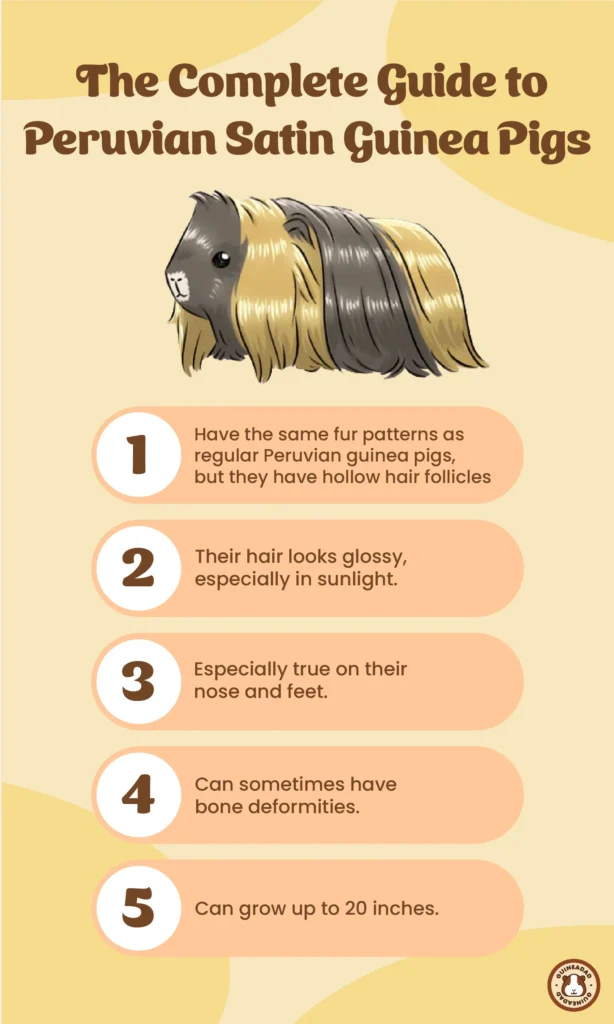
Are you considering bringing a cavy into your home? These small, furry creatures may not be as well-known as dogs or cats, but they make excellent pets for those looking for a low-maintenance companion. In this article, we’ll delve into the characteristics, diet, price, and more of cavies to help you decide if this is the right pet for you.
Cavy Characteristics
One of the most distinctive features of cavies is their long fur, which can reach up to 10 inches in length. This unique characteristic sets them apart from other rodents, such as guinea pigs, which have shorter coats. Cavies are also known for their friendly and affectionate nature, making them a great choice for families with children.
But what makes cavies so special? For starters, they’re incredibly social animals that thrive on interaction and attention. They’re also relatively easy to care for, requiring only a few simple supplies, such as food, water, and a spacious cage.
Cavies are known for their curious nature and love of exploring their surroundings. They’re excellent climbers and enjoy navigating through tunnels and tubes, making them a great choice for owners who want to provide mental stimulation and exercise.
In addition to their physical characteristics, cavies are also renowned for their intelligence and problem-solving abilities. They can learn tricks and commands with ease, making them a joy to interact with.
Cavy Price
So, how much can you expect to pay for a cavy? The price varies depending on factors such as location, breeder reputation, and color variety. On average, you can expect to pay between $20 and $40 for a healthy cavy from a reputable breeder. This initial investment includes the cost of the animal itself, as well as any necessary supplies.
Of course, there are also ongoing costs associated with owning a cavy, such as food, bedding, and veterinary care. However, these expenses can be easily managed with some planning and budgeting.
It’s worth noting that prices can vary depending on the breeder and the specific characteristics of the animal. For example, cavies with rare or unique coat colors may command higher prices than those with more common colors.
Long-Haired vs. Short-Haired Cavies
While both long-haired and short-haired cavies make wonderful pets, they do have some key differences. Long-haired cavies require regular grooming to prevent matting and tangling of their fur, while short-haired cavies are generally easier to care for.
Short-haired cavies, also known as “Inglesi,” have a compact, smooth coat that requires minimal maintenance. They’re often referred to as “English” guinea pigs due to their similar appearance. On the other hand, long-haired cavies require regular brushing and grooming to keep their fur healthy and clean.
If you’re considering bringing a cavy into your home, it’s essential to consider their coat length and whether or not you’re prepared to commit to regular grooming sessions. Both options can be rewarding for the right owner.
Cavy Behavior
So, what’s it like living with a cavy? In short, they’re incredibly affectionate and social animals that thrive on interaction. They love to play, cuddle, and explore their surroundings, making them a great choice for families with children.
However, cavies can also be quite timid and shy around strangers, so it’s essential to handle them gently and carefully from an early age. With patience and positive reinforcement, however, they quickly become confident and trusting companions.
Cavies are also known for their curious nature, which can sometimes lead to mischief. They love to explore new environments and investigate hidden objects, making them a great choice for owners who want to provide mental stimulation and exercise.
In addition to their social and playful personalities, cavies are also renowned for their intelligence and problem-solving abilities. They can learn tricks and commands with ease, making them a joy to interact with.
Cavy Diet
When it comes to feeding your cavy, there are a few key things to keep in mind. First and foremost, they require a balanced diet that includes a variety of fresh vegetables, fruits, and hay.
It’s also essential to provide your cavy with plenty of fiber-rich foods to help prevent digestive problems. This can include foods like Timothy hay, alfalfa pellets, or even some cooked brown rice.
One thing to avoid is giving your cavy too much sugar or processed food, as this can lead to a range of health problems, including obesity and dental issues. Instead, focus on providing plenty of fresh, wholesome foods that will keep your cavy happy and healthy.
In addition to their diet, cavies also require regular access to clean water and a balanced environment. This includes providing a spacious cage with adequate ventilation, as well as regular cleaning and disinfecting.
Cavy Health
While cavies are generally hardy animals, they’re not immune to certain health problems. One common issue is respiratory disease, which can be caused by a range of factors, including poor ventilation or exposure to allergens.
Another potential problem is dental issues, such as overgrown teeth or abscesses. Regular veterinary check-ups and proper dental care can help prevent these issues, but it’s essential to be aware of the risks.
It’s also worth noting that cavies are prone to certain health problems, such as hypovitaminosis A, which can cause a range of symptoms including lethargy, loss of appetite, and weight loss. Regular veterinary check-ups and a balanced diet can help prevent these issues.
Conclusion
In conclusion, cavies make wonderful pets for those looking for a low-maintenance companion. With their friendly and affectionate nature, they’re perfect for families with children or for anyone looking for a loyal and loving friend. By understanding their characteristics, diet, price, and behavior, you can provide the best possible care for your cavy and ensure a happy, healthy relationship.
FAQs
- How big do cavies get?
Cavies typically grow to around 10-15 inches in length, including their tail. - Do cavies make good pets for kids?
Yes, cavies are generally excellent pets for children, as they’re gentle and easy to handle. - Can I keep a cavy alone?
While it’s possible to keep a single cavy, they thrive on social interaction, so it’s recommended to keep them with another compatible cavy or two. - How often do cavies need grooming?
Long-haired cavies require regular brushing and grooming to prevent matting and tangling of their fur. Short-haired cavies generally require minimal maintenance. - Can I feed my cavy table scraps?
No, it’s essential to stick to a balanced diet that includes plenty of fresh vegetables, fruits, and hay. Table scraps can lead to digestive problems and other health issues. - How much do cavies sleep?
Cavies are nocturnal animals and typically spend around 10-12 hours per day sleeping or resting. - Can I take my cavy for a walk?
No, cavies are not designed for walking on leashes, as their feet can get injured easily. Instead, provide them with plenty of opportunities to explore their surroundings through toys and accessories. - How often should I clean my cavy’s cage?
It’s recommended to clean your cavy’s cage at least once a week, removing soiled bedding, cleaning food and water dishes, and disinfecting surfaces.
Tips for Choosing the Right Cavy
When choosing a cavy, there are several factors to consider. Here are some tips to help you make the right decision:
- Research different breeds: While cavies come in a range of colors and coat lengths, there are also different breeds to consider. Research different breeds to find one that suits your lifestyle and preferences.
- Consider their temperament: Cavies can be quite shy and timid around strangers, so it’s essential to choose an animal that is confident and friendly.
- Look for signs of health: When choosing a cavy, look for signs of good health, such as shiny coats, bright eyes, and a healthy appetite.
- Ask about the breeder: A reputable breeder can provide valuable insights into the animal’s temperament, diet, and health.
By following these tips, you can find the perfect cavy companion to join your family.
Cavy Care and Health
In addition to choosing the right cavy, it’s essential to consider their care and health needs. Here are some tips to help you provide the best possible care for your cavy:
- Provide a balanced diet: A balanced diet is essential for maintaining good health and preventing digestive problems.
- Keep them clean: Regular cleaning of the cage and accessories can help prevent health issues and keep your cavy happy and healthy.
- Monitor their health: Regular veterinary check-ups can help identify potential health issues early on, before they become serious problems.
By following these tips, you can provide the best possible care for your cavy and ensure a happy, healthy relationship.


