
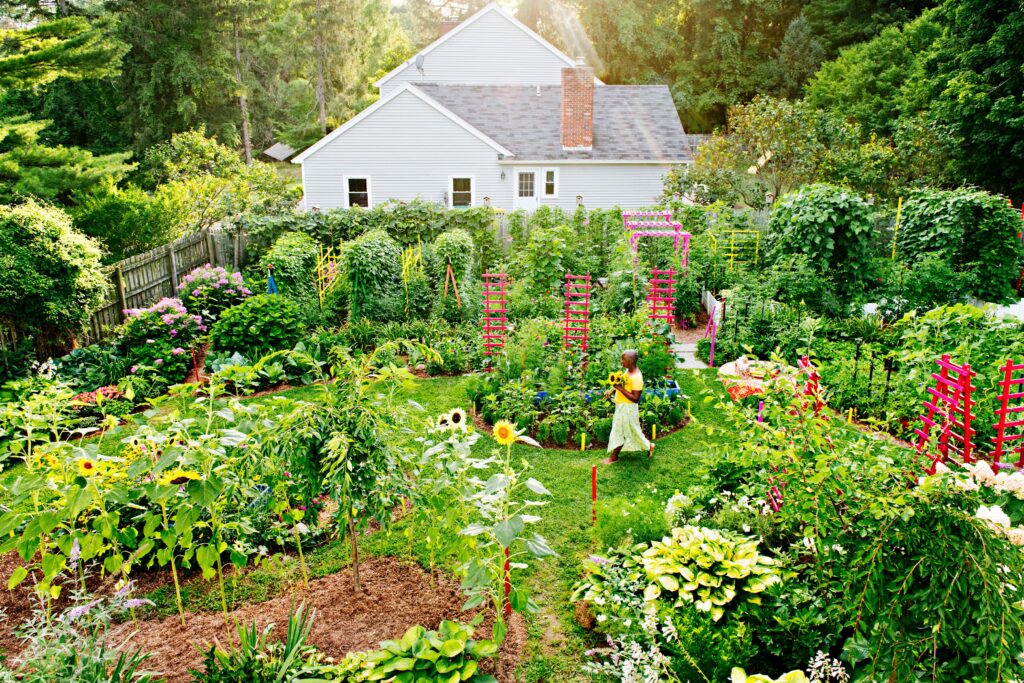
What is Permaculture?
Permaculture is a holistic approach to gardening and farming that aims to create sustainable, self-sufficient ecosystems. This concept was introduced in Japan by Masanobu Fukuoka in the 1940s, and has since gained popularity worldwide among gardeners and farmers seeking to reduce their environmental footprint.
The History of Permaculture
Permaculture is an ancient practice that recognizes the interconnectedness of all living beings and the natural world. The term “permaculture” was coined by Australian Bill Mollison in 1978, who defined it as “permanent agriculture.” This approach uses ecological principles to promote autogenic systems that can generate their own food, water, energy, and other resources.
The Four Principles of Permaculture
Permaculture is based on four fundamental principles:
- No Disturbance: Allow nature to take its course, with no need for tilling or mechanical labor. Instead, let the roots of plants, insects, and microorganisms do the work.
- No Confinement: Avoid creating enclosed spaces that can lead to pest and disease buildup. By allowing plants to spread naturally, you create a diverse ecosystem that is more resilient to challenges.
- No Uniformity: Encourage diversity in your garden by growing multiple crops together. This will attract beneficial insects and pollinators, which will help maintain the health of your plants.
- No External Input: Refuse to use synthetic fertilizers, pesticides, or other external inputs that can harm the environment.
Permaculture Design
In a permaculture system, every available space is utilized in multiple layers to maximize efficiency and biodiversity. This includes:
- Understory: Plants are grown beneath trees, where their roots help stabilize the soil and create shade for smaller plants.
- Vines: Vines are trained to grow up walls or trellises, providing support while also attracting beneficial insects and birds.
- Multi-use Trees: Trees with multiple functions serve as a hub of activity in the garden. They provide food, shelter, and habitat for wildlife.
Creating a Permaculture Garden
While permaculture can be applied to any type of garden or farm, it’s essential to create an environment that is conducive to its principles. Here are some tips:
- Observe Nature: Study how plants grow naturally in your area, without human intervention.
- Use Natural Materials: Choose materials for your garden structures and pathways that blend seamlessly into the surrounding landscape.
Benefits of Permaculture
Permaculture offers numerous benefits for gardeners, farmers, and the environment. Some of these advantages include:
- Increased Biodiversity: By mimicking nature, you create a diverse ecosystem that supports a wide range of plant and animal species.
- Energy Efficiency: Permaculture systems are designed to minimize energy inputs, reducing greenhouse gas emissions and reliance on non-renewable resources.
Examples of Successful Permaculture Projects
- The Rodale Institute: A permaculture farm in Pennsylvania that has been recognized for its innovative approach to sustainable agriculture.
- The Regenerative Agriculture Foundation: An organization dedicated to promoting regenerative agriculture practices, which include permaculture principles.
- The Global Permaculture Network: A community of permaculture practitioners from around the world who share knowledge and resources.
Challenges and Opportunities in Permaculture
While permaculture offers numerous benefits, it also presents some challenges, such as:
- Initial Investment: Creating a permaculture garden or farm requires an initial investment in infrastructure and materials.
- Time Commitment: Permaculture requires ongoing maintenance and care to ensure its success.
However, these challenges can be overcome with careful planning, observation, and adaptation. Additionally, there are many opportunities for innovation and collaboration in the field of permaculture, such as:
- Research and Development: Continuing to study and develop new techniques and strategies for sustainable agriculture.
- Community Building: Creating communities of practitioners who share knowledge, resources, and experiences.
Conclusion
Permaculture is a powerful approach to sustainable living, offering a holistic solution for gardening and farming. By embracing the four principles of permaculture, you can create thriving ecosystems that support both people and the planet.
Frequently Asked Questions
- What are the benefits of permaculture?
Permaculture offers numerous benefits, including increased biodiversity, energy efficiency, and reduced environmental impact. - How does permaculture design work?
In a permaculture system, every available space is utilized in multiple layers to maximize efficiency and biodiversity. - Can I start practicing permaculture today?
Absolutely! Begin by observing nature, using natural materials, and applying the four principles of permaculture to your garden or farm. - What are some common challenges faced by permaculture practitioners?
Some challenges may include pests, diseases, and weather-related issues. However, these can be addressed through careful planning, observation, and adaptation. - How does permaculture relate to regenerative agriculture?
Permaculture is closely linked to regenerative agriculture, as both share a focus on sustainable practices that promote soil health, biodiversity, and ecosystem services. - Can I apply permaculture principles to urban areas?
Yes! Permaculture can be applied in any environment, including cities, where it can help reduce waste, increase food security, and enhance community resilience. -
What is the future of permaculture?
As concern for the environment grows, so does interest in permaculture as a sustainable approach to gardening and farming. Expect to see more innovative applications of permaculture principles in the years to come. -
Can I use chemical pesticides or fertilizers with permaculture?
No! Permaculture emphasizes natural methods of pest control and fertilizer application. Instead, focus on building a diverse ecosystem that can support itself through symbiotic relationships between plants and microorganisms.


