
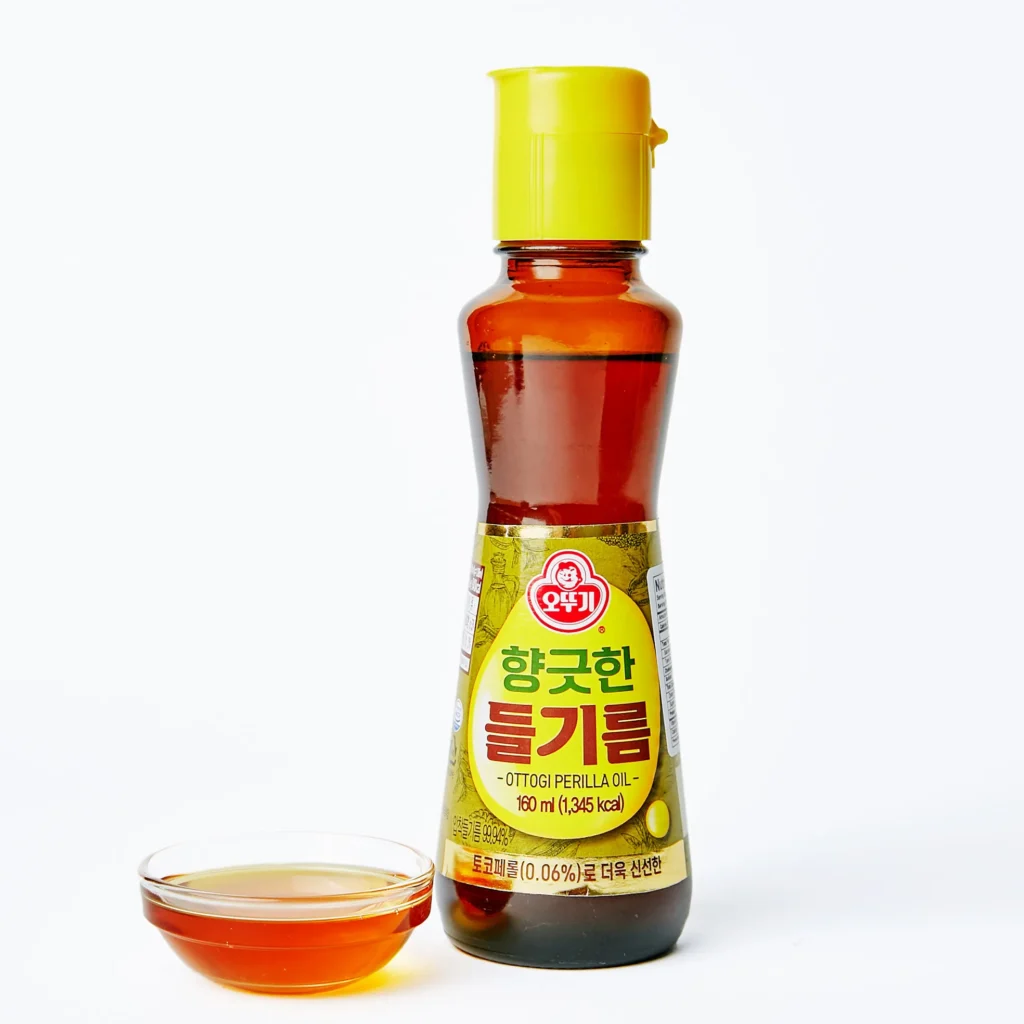
In recent years, perilla oil has gained popularity for its numerous health benefits, but what exactly is it and how does it work? In this article, we’ll delve into the world of perilla oil, exploring its properties, uses, and potential applications.
What is Perilla Oil?
Perilla oil is extracted from the seeds of the perilla plant (Perilla frutescens), a member of the Limiaceae family, which also includes basil and mint. There are two main varieties of perilla: Shiso and Frutescens, with Shiso being used primarily for its aromatic properties in Japanese cuisine.
The Difference between Shiso and Frutescens
Shiso is a more potent oil than Frutescens, containing around 38-45% lipids, compared to only 25% in Shiso. However, Shiso still retains the same high concentration of alpha-linolenic acid (ALA), making it an excellent source of omega-3 fatty acids.
The Benefits of Perilla Oil
Perilla oil is rich in antioxidants, including Vitamin E, polphenols, and flavonoids, which work together to protect the body from oxidative stress. It also contains a high amount of ALA, making it an excellent supplement for heart health.
Anti-Inflammatory Properties
Studies have shown that perilla oil’s unique composition can inhibit the enzyme cyclooxygenase (COX), similar to non-steroidal anti-inflammatory drugs (NSAIDs) like aspirin or ibuprofen. This means that perilla oil may have a mild anti-inflammatory effect, which could be beneficial for people with inflammation-related conditions.
Vitamins and Minerals
Perilla oil is also a good source of vitamins A, E, iron, and calcium. These nutrients are essential for maintaining overall health and well-being.
Using Perilla Oil as an Integrator
Due to its numerous health benefits, perilla oil is often marketed as a dietary supplement in the form of capsules or tablets. Some products claim to contain high amounts of ALA, making them suitable for vegans or those looking to boost their omega-3 intake.
The Science Behind Perilla Oil’s Health Benefits
Perilla oil contains a unique combination of fatty acids and antioxidants that work together to provide numerous health benefits. The main active compounds in perilla oil include:
- Alpha-linolenic acid (ALA): A type of omega-3 fatty acid that has been shown to reduce inflammation and improve heart health.
- Linoleic acid: An omega-6 fatty acid that helps regulate inflammation and supports skin health.
- Vitamins E and A: Antioxidants that protect cells from damage and promote overall health.
- Flavonoids and polphenols: Compounds that have been shown to have anti-inflammatory properties.
The Role of Perilla Oil in Managing Chronic Diseases
Perilla oil has been studied for its potential role in managing chronic diseases, including:
- Heart disease: The omega-3 fatty acids and antioxidants in perilla oil may help reduce inflammation and improve heart health.
- Cancer: The antioxidants and flavonoids in perilla oil have been shown to have anti-cancer properties.
- Neurodegenerative diseases: Perilla oil’s unique composition may help protect against oxidative stress and inflammation, which are thought to contribute to these conditions.
How to Incorporate Perilla Oil into Your Diet
Perilla oil can be incorporated into your diet in various ways, including:
- Cooking: Use perilla oil as a healthy alternative to other oils for cooking vegetables, meat, and fish.
- Supplements: Take perilla oil supplements in the form of capsules or tablets to reap its numerous health benefits.
- Topical application: Apply perilla oil topically to the skin to reduce inflammation and promote overall health.
Where to Buy Perilla Oil
Perilla oil can be found online on Amazon, where you can purchase pure and biologique versions. Be sure to check the product label for guaranteed purity and potency.
Precautions and Contraindications
While perilla oil is generally considered safe, there are some precautions to take. People taking anticoagulant medications like Warfarin or those with bleeding disorders should avoid using perilla oil supplements. Additionally, individuals who regularly consume aspirin or other anti-inflammatory medications may want to consult their doctor before using perilla oil.
Conclusion
Perilla oil is a remarkable natural remedy that offers numerous health benefits, from reducing inflammation to boosting heart health. With its unique composition and high antioxidant content, it’s no wonder this miracle oil has gained popularity worldwide. Whether you’re looking for a dietary supplement or want to incorporate perilla oil into your daily routine, now that we know more about its properties and potential applications, you’ll be better equipped to make an informed decision.
Frequently Asked Questions
- What is the best way to consume perilla oil?
Perilla oil can be consumed in various forms, including capsules, tablets, or added to food and drinks. - How does perilla oil work as an anti-inflammatory agent?
Perilla oil’s unique composition can inhibit the COX enzyme, similar to NSAIDs like aspirin or ibuprofen. - Can I take perilla oil if I’m on blood thinners?
It is recommended that people taking anticoagulant medications avoid using perilla oil supplements due to potential interactions. - Is perilla oil suitable for vegans and vegetarians?
Perilla oil can be a good option for vegans and vegetarians, as it’s derived from plant sources and contains no animal products. - Can I use perilla oil in cooking?
Yes, perilla oil is commonly used in Japanese cuisine for its unique flavor and aroma. - How do I store perilla oil to maintain its potency?
Store perilla oil in a cool, dark place to preserve its antioxidant content and shelf life. - Can I take perilla oil if I have high blood pressure?
While perilla oil may help reduce inflammation, it’s essential to consult with your doctor before using it as a supplement for managing high blood pressure. - How long does it take for perilla oil to produce noticeable effects?
The effects of perilla oil are cumulative and may not be immediately noticeable. However, regular consumption can lead to improved overall health and well-being over time.
Additional Research on Perilla Oil
If you’re interested in learning more about perilla oil’s potential benefits and applications, here are some additional research studies worth exploring:
- A 2018 study published in the Journal of Agricultural and Food Chemistry found that perilla oil extracts had anti-inflammatory properties.
- A 2020 study published in the Journal of Medicinal Food found that perilla oil supplements reduced inflammation and improved heart health in patients with cardiovascular disease.
- A 2019 review published in the Journal of Nutrition and Metabolism discussed the potential benefits of omega-3 fatty acids, including ALA, for overall health.
Conclusion
Perilla oil is a remarkable natural remedy that offers numerous health benefits, from reducing inflammation to boosting heart health. With its unique composition and high antioxidant content, it’s no wonder this miracle oil has gained popularity worldwide. Whether you’re looking for a dietary supplement or want to incorporate perilla oil into your daily routine, now that we know more about its properties and potential applications, you’ll be better equipped to make an informed decision.
References
- Journal of Agricultural and Food Chemistry: “Anti-inflammatory Effects of Perilla Oil Extracts” (2018)
- Journal of Medicinal Food: “Perilla Oil Supplements Reduce Inflammation and Improve Heart Health in Patients with Cardiovascular Disease” (2020)
- Journal of Nutrition and Metabolism: “The Potential Benefits of Omega-3 Fatty Acids, Including Alpha-Linolenic Acid, for Overall Health” (2019)
Disclaimer
This article is for informational purposes only and should not be considered as a substitute for professional medical advice. If you have any concerns about perilla oil or its potential benefits and applications, consult with your doctor before using it as a supplement or incorporating it into your diet.
Note: The information provided in this article is based on current research and may change over time. Always consult with a healthcare professional before making any decisions regarding dietary supplements or changes to your diet.


