
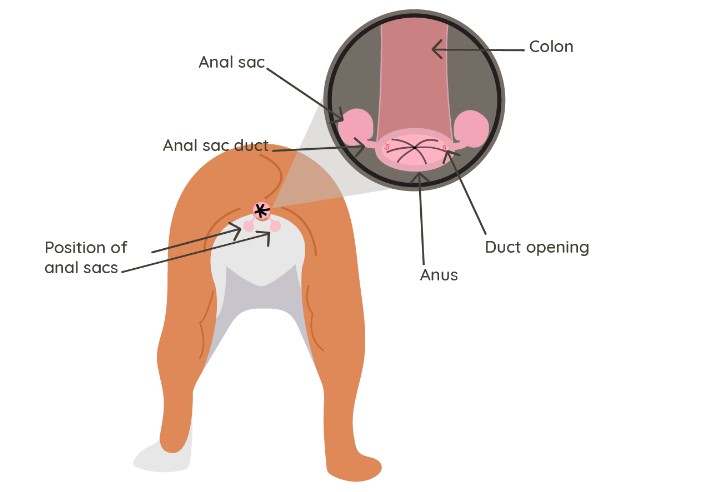
As pet owners, it’s essential to be aware of the anal glands located on either side of our cats’ and dogs’ anus. These small but vital organs can cause significant discomfort if they become irritated or infected, often due to simple causes like poor dietary habits.
In this article, we’ll delve deeper into the characteristics of these anal glands, explore their connection to digestive health, identify common symptoms associated with inflammation or infection, provide practical guidance on how to treat and prevent issues, and discuss popular options for managing problems caused by anal gland troubles.
What are Anal Glands?
Anal glands, also known as perianal glands or anal sacs, play a crucial role in marking territory and communication among cats and dogs. They produce a pungent secretion that helps leave a scent behind when an animal scratches its anal area on surfaces or objects.
Located bilaterally near the anus, these glands are responsible for depositing their secretion into a pouch through the anal opening. When everything is functioning properly, the secretion is clear and slightly thickened, aiding in territorial marking. However, if irritation occurs due to infection, inflammation, or other factors, the fluid becomes denser, more colored (often yellow), and has a much stronger odor.
Infected Anal Glands: Causes and Symptoms
When anal glands become infected or irritated, symptoms can range from mild discomfort to severe pain, depending on the severity of the issue. Some common signs include:
- Grating behavior around the anal area
- Avoiding sitting down due to pain
- Changes in stool consistency or frequency
- Slight redness and swelling near the anus
- Stronger than usual odor from the anal area
If left untreated, these issues can escalate into more serious complications such as infection spreading through the body or forming an abscess.
How to Treat Anal Gland Issues
Treatment for infected or irritated anal glands often begins with a visit to your veterinarian. They will assess your pet’s overall health and recommend either self-treatment methods or medical intervention, which may include:
- Expressing the gland manually
- Administering medications to reduce swelling and prevent infection
- Prescribing antibiotics if an infection is present
- Performing surgery in severe cases where abscesses form
For preventative care, maintaining good hygiene around your pet’s anal area can help minimize irritation. Regular check-ups with your veterinarian are also essential for early detection of potential problems.
Preventing Anal Gland Issues
While it may seem like a daunting task, there are simple steps you can take to prevent issues:
- Provide a balanced and nutritious diet
- Offer plenty of water and ensure access to clean drinking sources
- Keep your pet’s living area clean and well-ventilated
- Consider adding supplements or integrators specifically designed for anal gland health
Glandex: A Dietary Solution for Anal Gland Health
One effective way to support your cat’s or dog’s anal gland health is through a balanced diet rich in nutrients. The Glandex brand offers specially formulated crocchette and integrators that can help prevent inflammation and irritation.
These products contain natural ingredients such as pumpkin seeds, anti-inflammatory compounds, digestive enzymes, and probiotics, which work together to promote overall digestive health and reduce the risk of anal gland problems.
Additional Tips for Anal Gland Health
In addition to a balanced diet, here are some additional tips to help maintain your cat’s or dog’s anal gland health:
- Regular grooming can help remove dirt and debris from the anal area
- Avoid using harsh chemicals or soaps on your pet’s anal area
- Consider adding probiotics or digestive enzymes to their food for added support
Managing Anal Gland Issues
When dealing with anal gland issues, it’s essential to work closely with your veterinarian to develop a treatment plan tailored to your pet’s specific needs. Here are some common management strategies:
- Expressing the gland manually can help relieve pain and reduce inflammation
- Administering antibiotics or anti-inflammatory medications can help treat infections or inflammation
- Considering surgery may be necessary in severe cases where abscesses form
By understanding the importance of anal glands, identifying common symptoms associated with inflammation or infection, and knowing how to treat and prevent issues, you’ll be better equipped to keep your beloved pet happy and healthy.


