
Introduction
If you’re a plant enthusiast looking for a unique and fascinating addition to your indoor space, look no further than the pereskia aculeata. Native to the tropical regions of Brazil and Mexico, this cactus-like plant is sure to captivate with its striking appearance and impressive characteristics.
In this article, we’ll delve into the world of pereskia aculeata, exploring its unique features, growth habits, and care requirements. Whether you’re a seasoned gardener or a curious newcomer, this comprehensive guide will provide you with everything you need to know about cultivating this remarkable plant.
Characteristics of Pereskia Aculeata
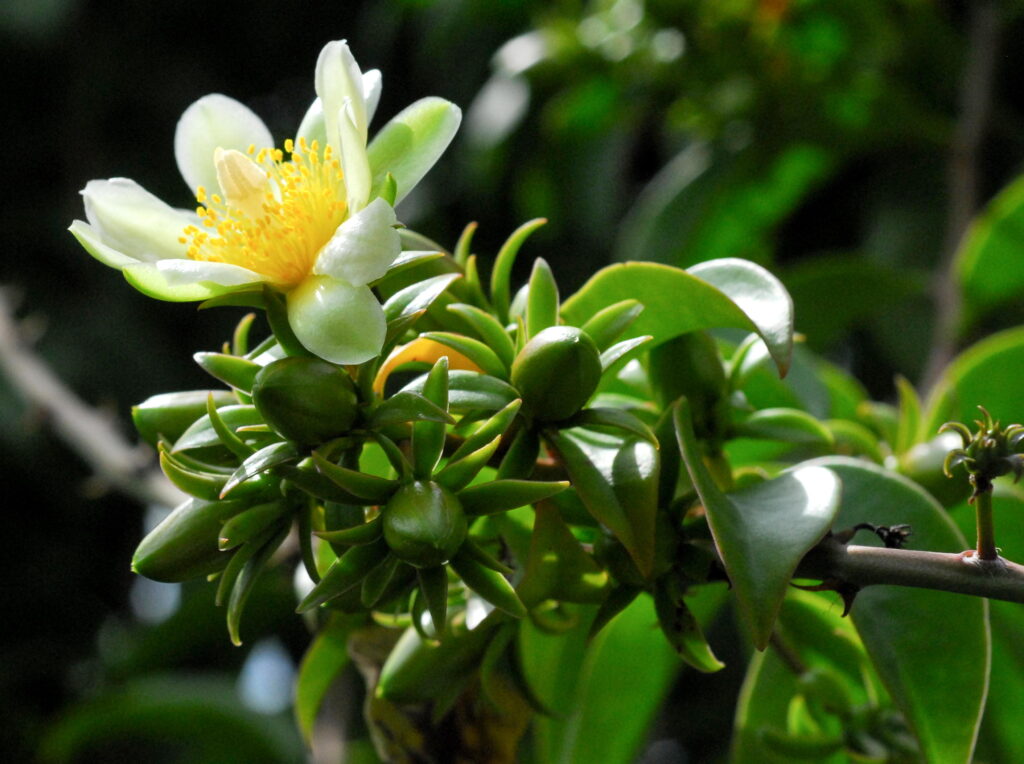
The pereskia aculeata is a type of climbing plant that can grow up to 10 meters tall, with a sturdy stem diameter of 2-3 cm. Its coriaceous leaves are oval-shaped and pointed, shedding in the winter months. This remarkable plant belongs to the Pereskia genus, which comprises over 12 species of primitive, cactus-like plants.
The pereskia aculeata is an interesting example of the connection between plants with different growth habits. It shares characteristics with both succulent and climbing plants, making it a fascinating subject for botanists and gardeners alike.
Growing Conditions
Pereskia aculeata thrives in warm, humid environments, ideal for tropical climates. While it can tolerate temperatures below 5°C, the optimal temperature range is between 10-20°C. This plant requires bright light, especially during the growing season, but can tolerate some shade during the hot summer months.
Soil and Watering Requirements
The pereskia aculeata prefers well-draining soil with a mix of compost, sand, and vegetable carbon in equal proportions. Avoid overwatering, as this can lead to root rot and other issues. Instead, water your plant regularly, allowing the top inch of soil to dry out between waterings.
Pruning and Propagation
To maintain its shape and promote healthy growth, prune your pereskia aculeata regularly. Remove any dead or damaged leaves, and trim back long stems to encourage branching. You can propagate your plant through cuttings or seeds, taking care to provide a suitable environment for germination.
Common Pests and Diseases
While the pereskia aculeata is generally resistant to pests and diseases, it’s not immune to issues like mealybugs, spider mites, and root rot. Monitor your plant regularly, addressing any problems promptly to prevent further damage.
Fascinating Facts about Pereskia Aculeata
This remarkable plant has several fascinating properties:
- The pereskia aculeata leaves are rich in protein, minerals, fibers, and vitamin C.
- It can be consumed raw or cooked, used as a natural remedy for various health issues.
- This plant is highly decorative, making it an attractive addition to indoor spaces.
Interesting Uses of Pereskia Aculeata
The pereskia aculeata has several interesting uses:
- In traditional medicine, the leaves and stems are used to treat a variety of ailments, including fever, rheumatism, and skin conditions.
- The plant is also used as a natural remedy for digestive issues, such as constipation and diarrhea.
- Pereskia aculeata can be consumed raw or cooked, adding a unique flavor and nutritional value to salads, smoothies, and other dishes.
How to Care for Your Pereskia Aculeata
To keep your pereskia aculeata happy and thriving, follow these care tips:
- Provide bright light, especially during the growing season.
- Water regularly, allowing the top inch of soil to dry out between waterings.
- Fertilize sparingly, using a balanced fertilizer during the growing season.
- Prune regularly to maintain shape and promote healthy growth.
Propagation Methods
There are several ways to propagate your pereskia aculeata:
- Cuttings: Take 4-6 inch stem cuttings from the mother plant, removing lower leaves. Root in moist soil or a propagation medium.
- Seeds: Sow seeds directly into well-draining soil or a propagation medium.
- Layering: Bend long stems to the ground and secure with a rock or stick. Allow roots to develop before cutting the stem from the mother plant.
Growing Pereskia Aculeata Indoors
Pereskia aculeata can thrive indoors, provided it receives sufficient light and warmth:
- Place near a sunny window or under grow lights.
- Maintain temperatures between 10-20°C.
- Water regularly, allowing soil to dry out slightly between waterings.
Growing Pereskia Aculeata Outdoors
If you live in a warm and humid climate, you can grow pereskia aculeata outdoors:
- Choose a location with partial shade and well-draining soil.
- Water regularly, avoiding overwatering.
- Fertilize sparingly, using a balanced fertilizer during the growing season.
Conclusion
The pereskia aculeata is a unique and captivating plant that’s sure to delight any plant enthusiast. With its striking appearance, impressive growth habits, and low-maintenance requirements, it’s the perfect choice for indoor gardeners looking to add some excitement to their space.
Whether you’re a seasoned gardener or a curious newcomer, this comprehensive guide has provided you with everything you need to know about cultivating this remarkable plant.
Frequently Asked Questions
- Q: What is the ideal temperature range for growing pereskia aculeata?
A: The optimal temperature range is between 10-20°C. - Q: How often should I water my pereskia aculeata?
A: Water your plant regularly, allowing the top inch of soil to dry out between waterings. - Q: Can pereskia aculeata be propagated through cuttings or seeds?
A: Both methods are viable, but cuttings are generally more successful. - Q: What are some common pests and diseases affecting pereskia aculeata?
A: Mealybugs, spider mites, and root rot are the most common issues. - Q: Can pereskia aculeata be consumed raw or cooked?
A: Yes, it can be used as a natural remedy for various health issues.
By following these guidelines and tips, you’ll be well on your way to cultivating this remarkable plant and enjoying its many benefits. Happy gardening!


