
Introduction
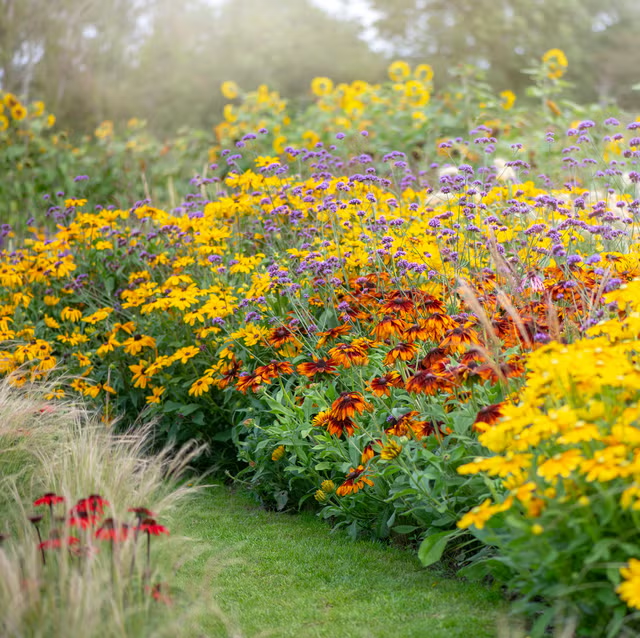
When it comes to creating a beautiful garden or vase, perennial flowers are an excellent choice. These plants bloom every year, providing a stunning display of colors and textures that can last from spring to early autumn. In this article, we’ll explore the best perennial flowers to add to your garden or vase, including bulbs, grasses, and shrubs.
Choosing the Right Perennial Flowers
Perennial flowers come in many shapes and sizes, making it easy to find ones that fit your specific needs. Here are some popular options:
- Bulbs: These are a great choice for creating colorful borders, as they can be planted in the fall or early spring.
- Winter-blooming bulbs (e.g., tulips, daffodils) are perfect for adding a pop of color to your garden during the colder months.
- Spring-blooming bulbs (e.g., crocuses, hyacinths) add a splash of color as the weather warms up.
- Summer-blooming bulbs (e.g., gladiolus, lilies) provide a burst of color in the warmer months.
- Autumn-blooming bulbs (e.g., asters, chrysanthemums) add a touch of gold and crimson to your garden during the fall.
- Perennials: These plants come back year after year, making them perfect for creating a low-maintenance garden or vase.
- Coreopsis: A daisy-like flower that comes in shades of yellow, pink, and white. Perfect for adding a sunny touch to your garden or vase.
- Leucanthemum: A delicate, bell-shaped flower that blooms from spring to fall. Great for creating a whimsical, cottage-style garden.
- Eryngium: A shrubby perennial with silvery-gray leaves and purple flowers. Perfect for adding texture and color to your garden or vase.
Using Bulbs in Your Garden
Bulbs are an excellent choice for creating colorful borders, as they can be planted in the fall or early spring. Here’s how to use bulbs in your garden:
- Planting: Plant bulbs 2-3 times deeper than their height, spacing them 3-6 inches apart.
- Care: Water bulbs regularly during the first growing season, and after that, reduce watering to once a month.
- Harvesting: Cut back foliage after blooming, and allow bulbs to rest over winter.
Tips for Care and Maintenance
Here are some tips for care and maintenance:
- Mulch: Mulch around your plants to retain moisture and suppress weeds.
- Water: Water plants regularly during the first growing season, and reduce watering thereafter.
- Fertilize: Fertilize perennials in the spring with a balanced fertilizer.
Perennial Flowers for Cold Climates
If you live in a cold climate, don’t worry! There are still many beautiful perennial flowers that thrive in these conditions. Here are some options:
- Lupini: These colorful flowers come back year after year and bloom from mid-summer to fall.
- Geranium: A low-maintenance perennial with delicate, pink flowers. Perfect for adding a touch of color to your garden or vase.
- Eryngium: This silvery-gray perennial blooms in the summer months, providing a beautiful contrast to other plants.
Perennial Flowers for Warm Climates
If you live in a warm climate, there are still many beautiful perennial flowers that thrive in these conditions. Here are some options:
- Lantana: A low-maintenance perennial with clusters of small flowers in shades of pink, yellow, and purple.
- Hibiscus: A flowering shrub that comes in a variety of colors, including pink, orange, and red.
- Zinnia: A colorful annual flower that can be grown as a perennial in warm climates.
How to Plant Perennials
Planting perennials is relatively easy. Here’s how:
- Choose the right location: Make sure the area receives the right amount of sunlight and has good drainage.
- Prepare the soil: Dig up any existing vegetation, and add a layer of compost or well-rotted manure.
- Plant at the right depth: Plant perennials 2-3 times deeper than their height, spacing them 12-18 inches apart.
How to Care for Perennials
Caring for perennials is relatively easy. Here’s how:
- Water regularly: Water perennials regularly during the first growing season, and reduce watering thereafter.
- Fertilize in the spring: Fertilize perennials with a balanced fertilizer in the spring to promote healthy growth.
- Mulch around plants: Mulch around perennials to retain moisture and suppress weeds.
Common Problems with Perennials
Here are some common problems that can affect perennials:
- Pests: Aphids, whiteflies, and other pests can be a problem for perennials. Use insecticidal soap or neem oil to control infestations.
- Diseases: Fungal diseases such as powdery mildew and leaf spot can affect perennials. Remove infected leaves, and treat with a fungicide if necessary.
Conclusion
Perennial flowers are an excellent choice for creating a beautiful and low-maintenance garden or vase. With so many options available, you’re sure to find ones that fit your specific needs. Remember to plant bulbs in the fall or early spring, mulch around your plants, and fertilize perennials in the spring.
Frequently Asked Questions
Q: What’s the best time to plant bulbs?
A: Plant bulbs in the fall or early spring, depending on the type of bulb and climate.
Q: How often should I water my perennials?
A: Water your perennials regularly during the first growing season, and reduce watering thereafter.
Q: Can I use mulch around my plants?
A: Yes! Mulching helps retain moisture and suppress weeds.
Q: What’s the best fertilizer for perennials?
A: Use a balanced fertilizer in the spring to promote healthy growth.
Q: How often should I harvest bulbs?
A: Cut back foliage after blooming, and allow bulbs to rest over winter.
Q: Can I grow perennials in cold climates?
A: Yes! Lupini, Geranium, and Eryngium are all great options for cold climates.


