
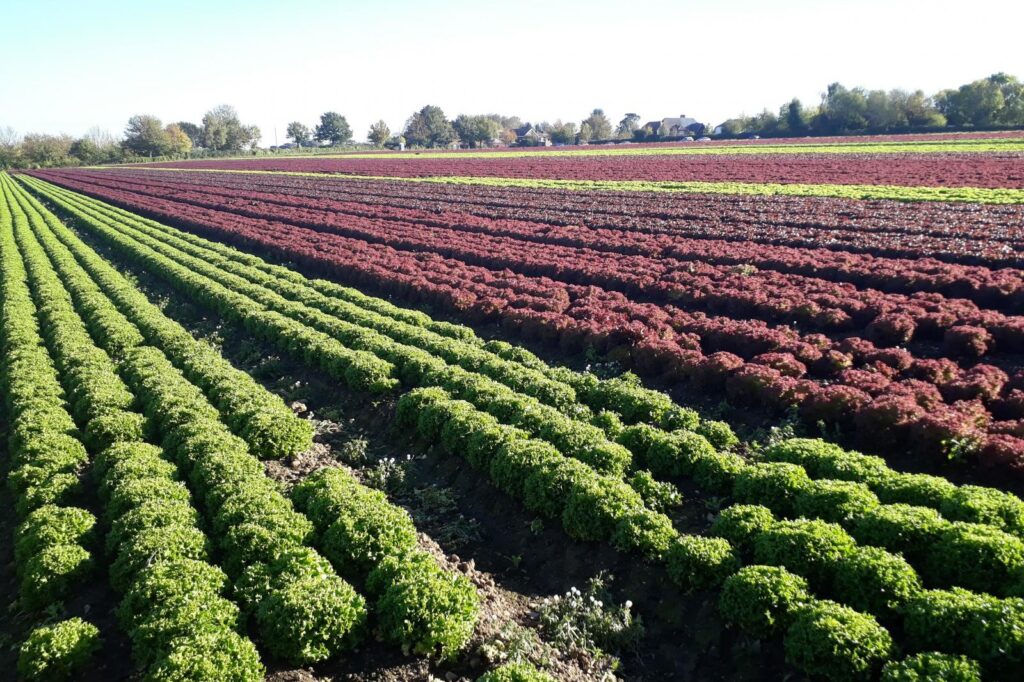
As the world grapples with the challenges of climate change, food security, and sustainable agriculture, a new approach is gaining attention. Perennial crops, which are plants that live for more than two years, hold the key to a more resilient and environmentally friendly food system. In this article, we will explore the benefits of perennial crops, their potential impact on reducing greenhouse gas emissions, and what the future holds for these innovative agricultural practices.
Why Are Perennial Crops the Key to a Sustainable Food System?
Perennial crops have been around for centuries, but modern agriculture has largely focused on annual crops. These plants are grown from seed each year and are harvested before they reach maturity. However, perennial crops offer several advantages over their annual counterparts. They require less maintenance, produce more nutritious food, and can help mitigate the effects of climate change.
One of the main reasons perennial crops are gaining attention is their potential to reduce greenhouse gas emissions. Annual crops, such as corn and soybeans, are often grown using intensive agriculture practices that lead to soil degradation, erosion, and the use of synthetic fertilizers. These practices release large amounts of carbon dioxide into the atmosphere, contributing to climate change.
Perennial crops, on the other hand, have deeper roots that help to strengthen soil structure, prevent erosion, and retain valuable nutrients like phosphorus. This means that perennial crops require fewer fertilizers and pesticides, reducing their impact on the environment.
What Are Perennial Crops?
Perennial crops are plants that live for more than two years. They can be grasses, legumes, or other types of vegetation that grow from seed and return year after year. Unlike annual crops, which are grown from seed each year and are harvested before they reach maturity, perennial crops produce seeds that can be collected and replanted the following season.
There are many examples of perennial crops, including alfalfa, clover, and switchgrass. These plants are often used in agriculture for livestock feed, biofuel, or as a source of fiber.
The Benefits of Perennial Crops
So, why are perennial crops so beneficial? Here are just a few reasons:
- Increased Food Security: Perennial crops can provide a more stable food supply by reducing the risk of crop failure and improving yields.
- Improved Soil Health: The deep roots of perennial crops help to strengthen soil structure, prevent erosion, and retain valuable nutrients like phosphorus.
- Reduced Greenhouse Gas Emissions: By producing fewer greenhouse gases, perennial crops can help mitigate the effects of climate change.
- Lower Maintenance Costs: Perennial crops require less maintenance than annual crops, as they don’t need to be replanted every year.
The Science Behind Perennial Crops
Scientists are using advanced technologies like genome analysis to develop new varieties of perennial crops. This involves identifying plants with desirable traits and breeding them for improved performance.
One of the key features of perennial crops is their root system. The roots of perennial crops can grow deep into the soil, where they absorb water and nutrients. This allows the plant to survive in areas with poor soil quality or during periods of drought.
The Key to Perennial Crops: Their Root System
So, what makes perennial crops truly special? The answer lies in their root system. With its extensive reach, a perennial crop’s root system can help the planet in ways that annual crops cannot.
Here are just a few examples of how perennial crops’ roots can benefit the environment:
- Improved Soil Structure: The deep roots of perennial crops help to strengthen soil structure, preventing erosion and landslides.
- Retained Nutrients: Perennial crops’ roots absorb nutrients from the soil, retaining them for future growth.
- Increased Biodiversity: By providing a habitat for beneficial insects and microorganisms, perennial crops can increase biodiversity in agricultural ecosystems.
Conclusion
Perennial crops are not just a promising solution for sustainable agriculture; they could be the key to saving our planet. By adopting these crops, we can reduce greenhouse gas emissions, improve soil health, and create a more resilient food system.
While there are challenges associated with perennial crop development, such as ensuring yields and preventing pests and diseases, the potential benefits make them an attractive option for farmers and policymakers alike.
As we look to the future of agriculture, it’s clear that perennial crops will play a critical role. By embracing these innovative agricultural practices, we can create a more sustainable food system that benefits both people and the planet.
Frequently Asked Questions
- What is the current state of perennial crop development?
Perennial crop research is ongoing, with scientists using advanced technologies like genome analysis to develop new varieties. - How do perennial crops affect soil erosion?
Perennial crops have deeper roots, which help prevent soil erosion and retain nutrients. - Can perennial crops replace all annual crops?
While perennial crops hold promise, they are not a silver bullet for ending the food crisis. A combination of sustainable agricultural practices is needed. - How do perennial crops impact greenhouse gas emissions?
By absorbing carbon dioxide from the atmosphere and storing it in their roots and soil, perennial crops can help reduce greenhouse gas emissions. - What is the future outlook for perennial crop adoption?
With continued research and development, we can expect to see more widespread adoption of perennial crops in the coming years. - Can I grow my own perennial crops at home?
Yes, it’s possible to start growing your own perennial crops, but it requires careful planning and attention to detail. - What are the biggest challenges facing perennial crop development?
Challenges include ensuring yields, preventing pests and diseases, and adapting to changing climate conditions. - How can I support the growth of perennial crops in my community?
Perennial crops offer a promising solution for sustainable agriculture, with potential benefits that extend beyond food production. As we look to the future, it’s clear that these innovative agricultural practices will play a critical role in creating a more resilient and environmentally friendly food system.
By embracing perennial crops, we can reduce greenhouse gas emissions, improve soil health, and create a more stable food supply. While there are challenges associated with their development, the potential benefits make them an attractive option for farmers and policymakers alike.
As the world continues to grapple with the challenges of climate change, sustainable agriculture, and food security, perennial crops offer a beacon of hope. By adopting these innovative agricultural practices, we can create a more sustainable food system that benefits both people and the planet.


