
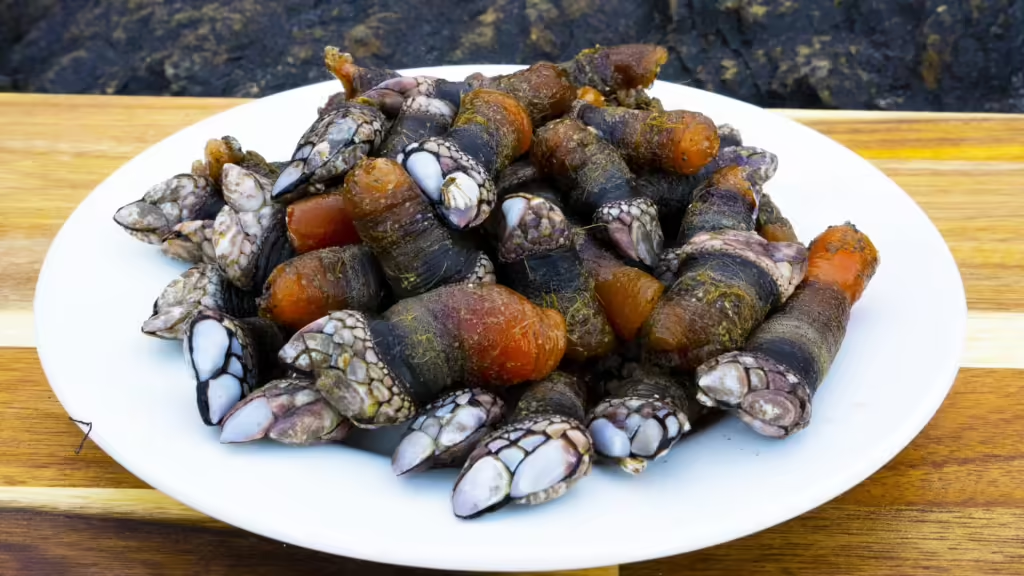
As we delve into the world of seafood, it’s easy to get confused between different types of dishes. The name “percebes” is often misinterpreted as referring to a type of fruit or mollusk, but in reality, it’s a crustacean that’s highly prized for its unique taste and texture.
What are Percebes?
Percebes, also known as Pollicipes pollicipes, are a type of sessile crab that lives on the rocky shores of the Atlantic coast. They’re not mollusks like mussels or oysters, but rather crustaceans that attach themselves to the rocks and feed on tiny crustaceans and plankton.
Scientific Classification
Percebes were once classified as mollusks due to their sessile nature, but in the 19th century, they were reclassified as a type of crustacean. This classification is important to understand the biology and behavior of percebes.
Habitat and Distribution
Percebes can be found along the Atlantic coast of Europe and North Africa, with a particular concentration in Spain and Portugal. They thrive in areas with strong currents and rocky shores, where they can attach themselves to the rocks and feed on small crustaceans.
Why are Percebes so Expensive?
Despite their relatively simple biology, percebes are highly prized for their unique taste and texture. However, their slow growth rate, difficulty in harvesting, and strict conservation regulations make them one of the most expensive seafood options available.
The price of percebes can range from €180 per kilogram to as low as €30 per kilogram, depending on the quality and size of the specimen. In some regions, such as Spain and Portugal, it’s not uncommon to find percebes being sold for a fraction of the cost due to local demand.
Types of Percebes
Percebes come in different sizes, with the largest specimens reaching up to 12 cm in length and weighing around 50 grams. The price of percebes varies depending on their size, with larger specimens commanding a higher price.
Where to Buy Percebes
If you’re interested in trying percebes, it’s best to purchase them from reputable sources. In some regions, such as France, Portugal, and Spain, there are specialized markets where percebes can be found at competitive prices. Be sure to check local regulations before purchasing percebes, as they may be subject to conservation restrictions.
Q&A:
- Are percebes edible? Yes, percebes are considered a delicacy in many parts of the world.
- How do I prepare percebes? Percebes can be cooked in a variety of ways, including boiling, steaming, and sautéing. They’re often served as an appetizer or used as an ingredient in soups and salads.
Conclusion
Percebes are more than just a delicious dish; they represent a fascinating aspect of marine biology and conservation. By understanding the biology and behavior of percebes, we can appreciate their unique qualities and work to protect these valuable crustaceans for future generations.
- Q: What is the difference between percebes and other types of seafood?
A: Percebes are distinct from other types of seafood due to their slow growth rate, difficulty in harvesting, and strict conservation regulations. - Q: How do I store percebes after purchasing them?
A: To keep percebes fresh, it’s recommended to store them in a cool, dry place. Avoid storing them in direct sunlight or near heat sources. - Q: Can I cultivate percebes at home?
A: Due to their specific habitat requirements and strict conservation regulations, it’s not possible to cultivate percebes at home.
Percebes: More Than Just a Delicious Dish
As we’ve explored the world of percebes, we’ve discovered that these crustaceans are more than just a tasty ingredient. They represent an fascinating aspect of marine biology and conservation. By understanding their unique qualities and working to protect them, we can ensure that percebes continue to thrive for generations to come.
- Q: What is the significance of conserving percebes?
A: The conservation of percebes is essential due to their slow growth rate, difficulty in harvesting, and strict regulations. By protecting these crustaceans, we can help maintain a healthy marine ecosystem. - Q: How can I support the conservation of percebes?
A: You can support the conservation of percebes by purchasing them from reputable sources, respecting local regulations, and spreading awareness about their importance.
Percebes are more than just a delicious dish; they represent an fascinating aspect of marine biology and conservation. By understanding their unique qualities and working to protect them, we can ensure that percebes continue to thrive for generations to come.
The Importance of Percebes in Marine Ecosystems
Percebes play a crucial role in maintaining the balance of marine ecosystems. As a food source for larger fish and other predators, they help regulate the population sizes of these species. Additionally, their slow growth rate means that they have a relatively low impact on the environment.
Conservation Efforts: Protecting Percebes and Their Habitats
Due to their slow growth rate and difficulty in harvesting, percebes are considered an endangered species by some conservation organizations. To protect them, efforts are being made to conserve their habitats and reduce human impact on marine ecosystems.
- Marine Protected Areas: Establishing marine protected areas can help safeguard percebe habitats from human activities such as fishing and coastal development.
- Sustainable Fishing Practices: Implementing sustainable fishing practices can help reduce the impact of human activities on percebe populations and their habitats.
- Education and Awareness: Educating the public about the importance of conserving percebes and their habitats can help raise awareness and promote conservation efforts.
Conclusion
Percebes are more than just a delicious dish; they represent an fascinating aspect of marine biology and conservation. By understanding their unique qualities and working to protect them, we can ensure that percebes continue to thrive for generations to come.
- Q: What is the difference between percebes and other types of seafood?
A: Percebes are distinct from other types of seafood due to their slow growth rate, difficulty in harvesting, and strict conservation regulations. - Q: How do I store percebes after purchasing them?
A: To keep percebes fresh, it’s recommended to store them in a cool, dry place. Avoid storing them in direct sunlight or near heat sources. - Q: Can I cultivate percebes at home?
A: Due to their specific habitat requirements and strict conservation regulations, it’s not possible to cultivate percebes at home.
The Future of Percebes: Challenges and Opportunities
As we look to the future, there are challenges and opportunities that will impact the conservation of percebes. Some of these include:
- Climate Change: Climate change is expected to have a significant impact on marine ecosystems, including those inhabited by percebes.
- Overfishing: Overfishing can lead to the depletion of percebe populations and damage their habitats.
- Sustainable Fishing Practices: Implementing sustainable fishing practices can help reduce the impact of human activities on percebe populations and their habitats.
By understanding these challenges and opportunities, we can work towards a future where percebes continue to thrive for generations to come.


