
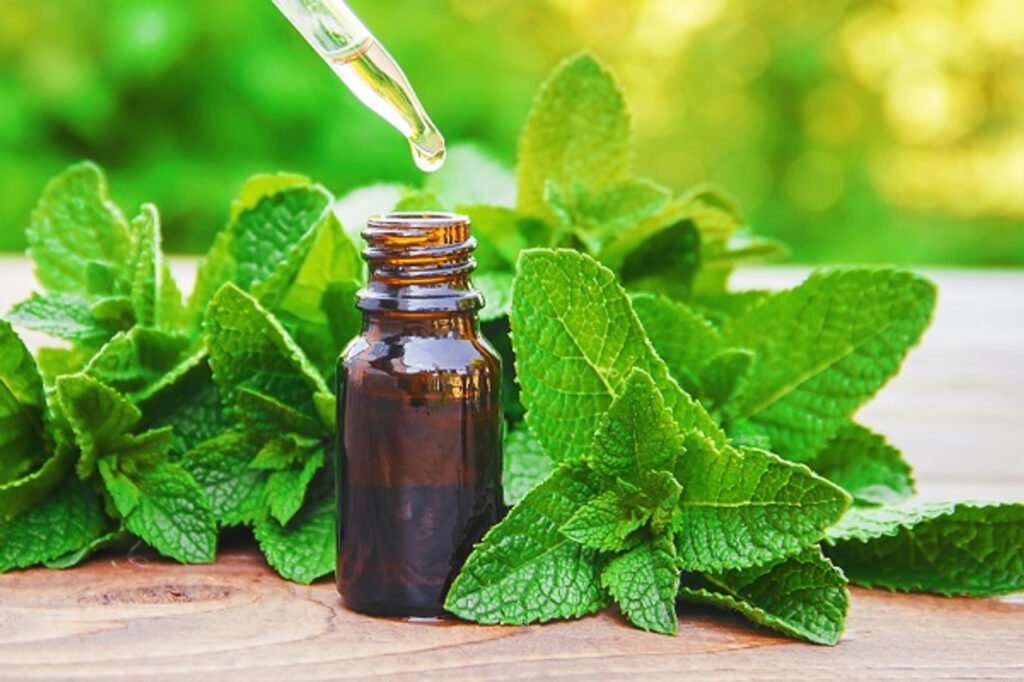
Peppermint essential oil has been a popular choice in aromatherapy for centuries. This natural remedy has been used to stimulate specific senses and centers in the body, making it an excellent addition to any wellness routine.
What is Peppermint Essential Oil?
Peppermint essential oil, derived from the leaves of the peppermint plant (Mentha piperita), has been a popular choice in aromatherapy for centuries. This natural remedy has been used to stimulate specific senses and centers in the body, making it an excellent addition to any wellness routine.
Properties and Uses of Peppermint Essential Oil
Peppermint essential oil is versatile and can be used in various ways:
- Aromatherapy: Inhale the invigorating scent to refresh and calm the mind and body.
- Massage Oil: Mix with a carrier oil for a soothing massage to alleviate muscle tension and pain.
- Skincare: Use as a natural remedy for acne, inflammation, and other skin issues.
The Composition of Peppermint Essential Oil
Peppermint essential oil is primarily composed of menthol (40.7%), mentone (23.4%), and other compounds like acetate of menthyl, 1,8-cineol, limonene, beta-pinene, and beta-caryophyllene.
Health Benefits of Peppermint Essential Oil
Peppermint essential oil has been studied for its potential health benefits:
- Digestive Issues: Relieves nausea, bloating, and indigestion due to its carminative properties.
- Headaches and Migraines: Eases tension and pain in the head and neck regions.
- Respiratory Problems: Helps alleviate congestion and coughs.
Using Peppermint Essential Oil Internally
While peppermint essential oil is primarily used externally, it can be consumed internally in small quantities to:
- Relieve Digestive Issues: Take a few drops of peppermint oil with food or water to soothe the digestive system.
- Elevate Mood: Add a few drops to warm water or tea for an invigorating pick-me-up.
Precautions and Contraindications
As with any essential oil, it’s crucial to use peppermint essential oil responsibly:
- Dilute with Carrier Oil: Always mix peppermint essential oil with a carrier oil before applying to the skin.
- Consume in Moderation: Take internal doses sparingly, as excessive consumption can cause stomach upset.
- Pregnancy and Health Conditions: Consult a healthcare professional before using peppermint essential oil if pregnant or suffering from any health issues.
Where to Buy High-Quality Peppermint Essential Oil
To ensure the highest quality and efficacy of peppermint essential oil:
- Amazon: Look for products certified by reputable third-party organizations, like the International Organization for Standardization (ISO).
- Reputable Suppliers: Choose suppliers who follow strict quality control measures and adhere to environmental and social responsibility standards.
Conclusion
Peppermint essential oil is a potent natural remedy with a wide range of benefits and uses. By understanding its composition, properties, and potential health benefits, you can harness the power of peppermint essential oil to improve your overall well-being.
Frequently Asked Questions (FAQs)
- Can I use peppermint essential oil on my skin without diluting it?
- No, as undiluted peppermint essential oil can cause irritation and discomfort.
- How much peppermint essential oil should I consume internally?
- Consult a healthcare professional before taking internal doses, as excessive consumption can lead to stomach upset.
- Can peppermint essential oil be used during pregnancy or for people with certain health conditions?
- Consult a healthcare professional before using peppermint essential oil if pregnant or suffering from any health issues.
- How do I store peppermint essential oil to preserve its quality and potency?
- Store in a cool, dark place, away from direct sunlight and heat sources, to maintain the oil’s effectiveness.
- Can I use peppermint essential oil in conjunction with other essential oils or medications?
- Consult a healthcare professional before using peppermint essential oil with other substances, as interactions can occur.
Common Uses of Peppermint Essential Oil
- Relieving Stress and Anxiety: Inhale peppermint essential oil to calm the mind and reduce stress.
- Improving Focus and Concentration: Add a few drops to your workspace or study area for an invigorating boost.
- Enhancing Athletic Performance: Mix with a carrier oil before exercise for improved muscle relaxation and performance.
- Promoting Healthy Digestion: Take internally before meals to alleviate digestive issues.
Precautions When Using Peppermint Essential Oil
- Allergic Reactions: If you experience skin irritation, redness, or itching after using peppermint essential oil, discontinue use and consult a healthcare professional.
- Pregnancy and Breastfeeding: Consult a healthcare professional before using peppermint essential oil during pregnancy or breastfeeding.
- Epilepsy and Seizure Disorders: Avoid using peppermint essential oil if you have epilepsy or seizure disorders, as it may trigger seizures.
- Kidney Disease: Avoid consuming large quantities of peppermint essential oil internally due to potential kidney strain.
Safety Precautions for Children
- Dilation Ratio: Always dilute peppermint essential oil with a carrier oil before applying to children’s skin.
- Internal Consumption: Consult a healthcare professional before giving children internal doses of peppermint essential oil.
- Monitoring for Reactions: Closely monitor children for signs of allergic reactions or irritation after using peppermint essential oil.
Blending Peppermint Essential Oil with Other Oils
- Lemon Essential Oil: Combine for an invigorating and uplifting scent, perfect for improving mood and reducing stress.
- Eucalyptus Essential Oil: Blend for a refreshing and decongestant aroma, ideal for relieving respiratory issues.
Safety Precautions When Using Peppermint Essential Oil with Other Substances
- Medications: Avoid using peppermint essential oil with blood thinners, as it may increase the risk of bleeding.
- Food and Beverages: Do not consume peppermint essential oil in large quantities or without diluting it first, as excessive consumption can cause stomach upset.
- Household Cleaning Products: Avoid using peppermint essential oil in household cleaning products, as it may cause skin irritation.
Conclusion
Peppermint essential oil is a potent natural remedy with a wide range of benefits and uses. By understanding its composition, properties, and potential health benefits, you can harness the power of peppermint essential oil to improve your overall well-being. Always use responsible precautions when using peppermint essential oil, including diluting it with carrier oils before applying to the skin, consuming in moderation, and avoiding internal consumption if pregnant or suffering from certain health issues.
Additional Tips for Using Peppermint Essential Oil
- Always read labels carefully and follow instructions provided by the manufacturer.
- Keep peppermint essential oil out of reach of children and pets.
- Store peppermint essential oil in a cool, dark place to maintain its quality and potency.
- Consult with a healthcare professional before using peppermint essential oil if you have any concerns or questions.
By following these tips and being mindful of the potential benefits and risks associated with peppermint essential oil, you can unlock its full potential and enjoy a healthier, happier life.


